The Difference Between Canopy Tours and Aerial Trekking
A canopy zipline tour and an aerial adventure park feel similar on the surface, but they test your body in completely different ways. Pure canopy tours are mostly passive gravity rides where a guide clips you in, you launch from a raised wooden deck, and you glide across valleys or forest clearings to the next landing platform. Your primary job is maintaining stable body alignment, watching hand placement, and listening for brake signals. The physical exertion remains relatively low, which makes canopy touring approachable for families or multigenerational groups who want scenic mountain vistas without athletic strain.
Aerial trekking parks, by contrast, function like elevated obstacle courses built high up in the tree canopy. While they include zip lines to link certain sections, the core experience demands walking across swinging wooden planks, balancing on taut steel wires, crawling through suspended barrels, and navigating hanging cargo nets. You are responsible for propelling yourself through each challenge using upper-body strength, core balance, and deliberate footwork. You work through progressive color-coded tiers ranging from gentle green runs just ten feet off the dirt to grueling black-diamond loops towering sixty feet above the ground.
Choosing between the two depends on what your crew actually wants out of an afternoon outdoors. If you want sweeping scenery, wind in your face, and minimal physical fatigue, a guided canopy line delivers that scenic rush. If your group enjoys physical problem-solving, testing personal limits against gravity, and working up a sweat while suspended in a harness, an aerial trekking park provides hours of self-paced engagement.
How Modern Belay Systems and Smart Carabiners Keep You Attached
Modern aerial courses rely on sophisticated safety hardware designed to virtually eliminate accidental disconnects while you move between tree platforms. In traditional ropes courses, climbers carried two independent carabiners and moved them manually from cable to cable, leaving room for human error if someone became distracted. Contemporary operations predominantly use continuous lifeline tracks or interlocking smart-key carabiners. With interlocking systems, opening one gate automatically locks the opposing gate shut, meaning you can never detach completely from the overhead safety line until your feet are firmly back on solid ground.
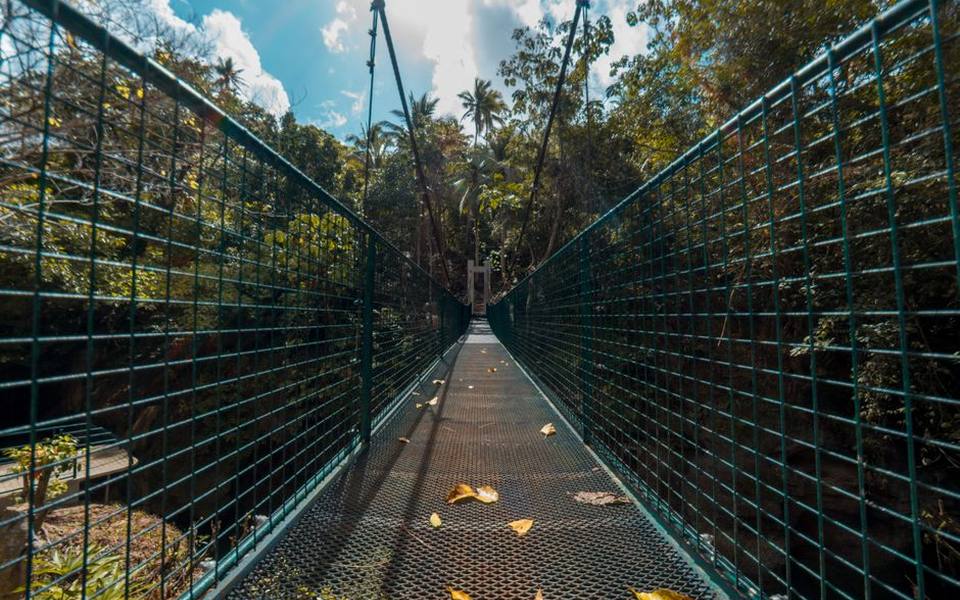
Continuous belay systems take safety a step further by sliding a closed metal trolley onto a continuous wire at the base of the course. The shuttle glides seamlessly through intermediate brackets and track switches without ever requiring you to unclip. Guides inspect these cables, swaged sleeves, and backup anchor wraps daily before the first guest signs in. Understanding that you are mechanically tethered reduces mental anxiety significantly, letting climbers concentrate on balance and spatial awareness instead of obsessing over equipment failure.
Every certified park adheres to rigorous manufacturing and inspection protocols developed by organizations like the Association for Challenge Course Technology. Qualified inspectors perform third-party structural reviews annually, examining hardware torque, wire rope fatigue, and tree trunk vitality. Knowing how these redundant safety layers operate gives hesitant first-timers the confidence needed to step off a solid launch deck and commit to an aerial traverse.
Mountain Canopy Runs and Deep Valley Crossings in the Smokies
The Appalachian chain and the Great Smoky Mountains house some of the highest, steepest zipline systems in North America. These courses leverage dramatic elevation changes, stringing thick cables across deep hemlock hollows and rocky ravines. Riders routinely reach highway speeds as gravity pulls them across spans that stretch thousands of feet between ridge tops. The experience is defined by dramatic visual depth, rushing mountain breezes, and sweeping panoramic views of mist-covered ridges extending into the horizon.
Navigating these massive spans requires strict adherence to guide instructions regarding body aerodynamics and braking protocols. Mountain operations typically utilize heavy-duty passive braking assemblies, such as progressive spring banks or magnetic zip-stops, to absorb immense momentum at the receiving deck. Guides manage your arrival speed, but tucking your legs or flailing outward can alter your trajectory and cause premature swinging on the deceleration line. Listening carefully during the ground-school briefing ensures smooth, feet-first arrivals onto each hillside platform.
If you are planning an extended mountain getaway that pairs high-wire canopy glides with target games or woods play, you will find several rugged North Carolina outdoor destinations located just across the state border. Mountain weather in this region shifts quickly, meaning morning tours often provide clearer visibility and calmer winds than mid-afternoon time slots prone to pop-up summer rain showers.
County Park Canopies and Public-Private Forest Treks
A growing trend over the past two decades is the partnership between municipal park systems and commercial aerial outfitters like Go Ape. These operations install extensive treetop adventures inside regional preserves and suburban county parks, such as the sprawling course nestled in the hardwood forests of Shelby Farms in Tennessee. Rather than driving three hours into remote mountain ranges, local outdoor enthusiasts can experience full-scale canopy zips, Tarzan swings, and elevated bridges just minutes from major metro corridors.
These community-oriented canopy courses excel at blending into native timber without damaging forest health. Arborists and master riggers use non-invasive compression collars around tree trunks rather than drilling lag bolts, permitting trees to continue their natural growth rings undisturbed. The courses wind through mature oak, beech, and pine canopies, providing an intimate ecological viewpoint where climbers encounter birds and native wildlife at eye level while crossing mid-canopy rope bridges.
Because these urban-adjacent adventure parks cater heavily to local residents, birthday outings, and school clubs, their obstacle layouts emphasize graded progression. Beginners can master basic platform transitions and low-consequence crossings before electing to climb wooden spiral staircases up into the fifth-tier canopy loops. It is a model that balances approachable community recreation with authentic wilderness immersion.
Quarry Adventures and Multipurpose Water-Based Parks
Not all high-rope adventures take place strictly among tree branches. Repurposed industrial sites, such as the famous Brownstone quarry adventure park in Connecticut, integrate vertical rock walls, flooded freshwater basins, and towering granite cliffs into the aerial experience. In these settings, zipline cables terminate directly over deep water or carry participants from towering quarry ledges straight across open quarry lagoons, offering a refreshing splash-down finish during hot summer months.
Water-centric adventure facilities operate on a distinct logistical model compared to quiet forest canopies. Many use wristband-based passes where admission functions more like an all-access outdoor amusement center, combining climbing structures, cliff jumps, wakeboard lines, and zip wires into a single day pass. Visitors frequently transition from aerial harnesses to life jackets, requiring quick-drying synthetic apparel and secure water shoes rather than standard hiking gear.
Before booking quarry or water-landing passes, confirm whether specific high-adrenaline attractions demand reservations or separate time slots. Water-based cable operations can develop long queues on humid July weekends, so arriving at rope-drop in the morning lets you conquer the premier cliff-to-water ziplines before crowds gather near the equipment docks.
Rugged Mid-Atlantic Loops and Forest Challenges in the Poconos
The Pocono Mountains region has long stood as an East Coast hub for adventure seekers, offering heavily wooded terrain dotted with glacial boulders, rushing creeks, and dense hemlock groves. Pocono aerial parks take full advantage of this broken geography, constructing multi-tier tree trekking circuits that wind over steep ravines and boulder fields. These parks place heavy emphasis on agility obstacles, challenging guests with horizontal climbing walls suspended fifty feet in the air and balance beams that sway underfoot.
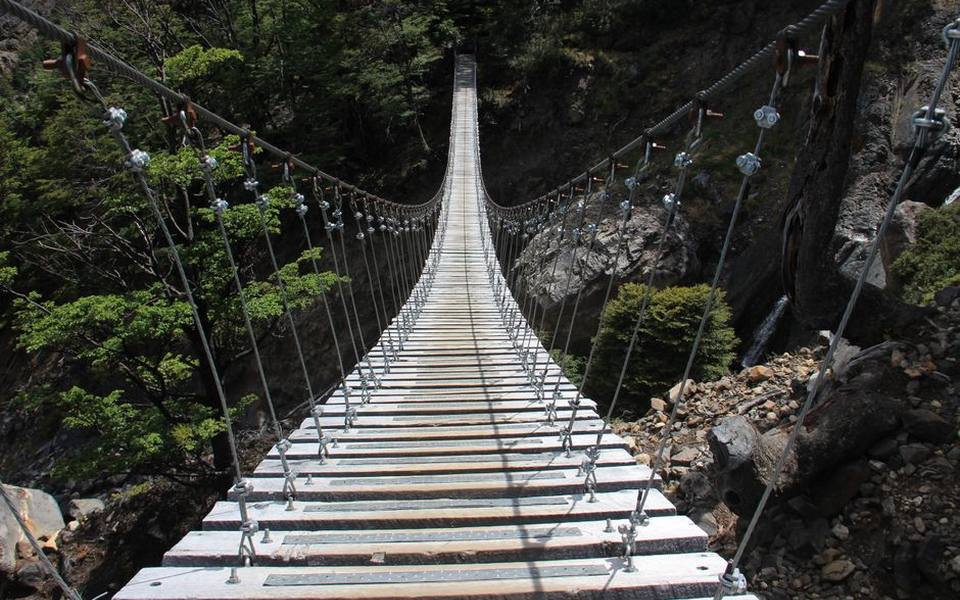
Navigating Mid-Atlantic tree circuits requires steady footwork and durable grip strength. Morning humidity often leaves suspended timber logs damp, which adds an extra layer of difficulty to foot placement on narrow wires. Aerial parks throughout this corridor maintain strict staff monitoring, posting elevated marshals along the loops to coach climbers through tricky technical bottlenecks or perform controlled rope lowerings if an exhausted participant decides to end their run early.
For travelers mapping out multi-day road trips focused on outdoor sports, combining canopy trekking with tactical games makes a natural weekend itinerary. Exploring established outdoor recreation spots across Pennsylvania allows you to split time between high-altitude obstacle courses and woodland combat simulations, providing a comprehensive physical challenge across varied terrain.
Pacific Northwest Canopies and Coastal Forest Runs
The dense temperate rainforests of the Pacific Northwest introduce towering Douglas firs, Western red cedars, and steep mossy ridges into the aerial trekking equation. Locations like the extreme sports terrain near Port Angeles and the Olympic Peninsula offer tree lines set against dramatic evergreen backdrops and mountain vistas. The sheer verticality of Pacific Northwest timber allows course designers to string cables from platform heights that dwarf typical suburban courses, creating an immense sensation of exposure and solitude.
Operating in the damp coastal climate of the Northwest requires specialized gear management. Cables and hardware are routinely treated for salt air and continuous moisture, while decks feature non-slip aggregate treads to maintain traction under persistent drizzle. Climbers in this region quickly learn that light rain rarely cancels a tour; in fact, drifting low-level fog through the cedar branches often produces an ethereal, quiet atmosphere unmatched by sunny summer runs.
Those touring the Northwest can easily pair high-elevation tree courses with tactical ground challenges. You can check the local scene for adventure courses in Washington to assemble full weekend excursions that test both vertical balance up in the evergreens and tactical marksmanship across dense fern-covered forest floors.
Weight Thresholds, Physical Endurance, and Safety Requirements
Before entering credit card information for any high-wire adventure, you must review the park's physical prerequisites. Aerial parks enforce strict minimum and maximum weight restrictions, typically setting limits between 60 and 275 pounds. These boundaries are dictated strictly by equipment engineering; zip-stop braking systems, harness geometry, and cable tension curves are calibrated to operate safely within defined mass parameters. Guests are frequently asked to step on a discreet platform scale during check-in to confirm compliance.
Reach height is another vital metric that parents often overlook when booking for kids. Even if a child meets the age and weight minimums, they must be able to reach overhead cables with their hands while standing flat-footed to manipulate trolleys and carabiners. If a young climber cannot comfortably reach the safety wire overhead, they will quickly become stranded midway across an obstacle, requiring guide intervention to pull them through.
Physical stamina also plays a quiet but decisive role in how much you enjoy an aerial trekking circuit. Maneuvering across unstable suspended logs works forearm flexors, core stabilizers, and hip rotators in unaccustomed ways. Anyone managing chronic shoulder dislocations, severe back pain, or advanced cardiovascular limitations should consult a physician before strapping into a full-body harness, as escaping an aerial run midway involves harness suspension and active climbing.
Weather Protocol, Seasonal Gear, and Footwear Guidelines
Dressing appropriately for an aerial park directly impacts your safety and personal comfort. Closed-toe, closed-heel athletic shoes or light hiking boots with grippy rubber soles are mandatory across every commercial course; slip-on shoes, sandals, and five-finger water footwear are universally prohibited. Long athletic pants or knee-length shorts protect skin against friction burns from leg harness straps, while form-fitting synthetic tops prevent loose fabric from jamming inside moving trolley sheaves.

Work gloves are perhaps the most valuable piece of non-mandatory gear you can pack. Constantly gripping galvanized steel aircraft cables, rough hemp ropes, and splintered timber beams will rapidly chew through bare palms. Inexpensive garden gloves or climbing fingerless gloves provide essential hand protection and cut down on grip fatigue across a three-hour session.
Rain policy varies by location, but operations rarely pause for light or moderate precipitation. Rain adds slickness to timber surfaces, but safety harnesses and cable brakes function reliably in wet conditions. The universal exception is lightning and high wind. Courses immediately ground all participants if lightning strikes within a ten-mile perimeter or if sustained gusts exceed safe operating thresholds, holding climbers in shelters until thirty minutes pass without a strike.
Ticketing Logistics, Waivers, and Group Outing Strategies
Securing reservations well ahead of your arrival date is critical during peak summer and fall foliage weekends. Most reputable facilities operate on strict timed-entry blocks to prevent overcrowding on tree platforms and ensure safe guide-to-guest ratios. Arriving at least thirty minutes prior to your reserved slot ensures adequate time for parking, equipment sizing, and signing liability releases without cutting into your actual canopy time.
Digital waivers should always be distributed and completed online prior to driving to the course. Because minors require the legal signature of a parent or court-appointed legal guardian, showing up at the gate with unaccompanied friends or extended family members without pre-signed digital paperwork can halt your excursion before it begins. Most parks send unique waiver links alongside booking confirmations specifically to prevent check-in delays.
If you are organizing bachelor parties, corporate retreats, or family reunions, look into bundle options that integrate catering or other woodland activities. Many facilities that offer ropes courses also structure broad outdoor party packages that combine high-ropes circuits with ground-based group activities, letting larger groups split their day between high-altitude adrenaline and cooperative outdoor games.
Published 2026-09-21 · reviewed with each rebuild, last October 2026.
Find paintball fields & fun centers near you
The directory lists 36,923 paintball fields & fun centers by state and city — pick your state or use the “Near me” button in the header.
More guides
-
 Service
Where and How to Refill Paintball CO2 and HPA Tanks
-
 Buying
A Guide to Purchasing Your Own Paintball Equipment
-
 Safety
Paintball vs Airsoft: Evaluating Impact, Costs, and Removing Stubborn Stains
-
 Money
MoneyHow Much Does Paintball Cost? Field Fees, Rental Packages, and Ammo Math
-
 Safety
Does Paintball Hurt? Safety, Bruises, Clothing, and Stains
-
 Buying
Where to Sell Used Paintball Guns Safely and Clean Up Gear
-
 Safety
Beginner's Guide to Paintball: Understanding Game Formats and Rules
-
 Money
MoneyPaintball Cost Guide: Equipment, Field Fees, and Play Prices
-
 Owning
How to Remove Paint and Acrylic Stains from Clothing and Fabrics
-
 Buying
Tactical and Military Boots: Brands, Comfort, and Field Selection
-
 Service
Corporate Team Building and Outdoor Adventure Events: The Complete Organizer's Guide
-
 Buying
Laser Tag Arenas, Equipment, and Home Party Rentals Guide
-
 Safety
LiPo Battery Maintenance, Safe Charging, and Balance Chargers for Gear
-
 Service
Indoor and Outdoor Paintball Fields: Venue Selection, Booking, and Rules
-
 Buying
Complete Paintball Equipment Guide: Markers, Air Tanks, Jerseys, and Field Attire
-
 Safety
Whitewater Rafting and River Adventure Parks: Destinations, Trips, and Safety Guide
-
 Safety
Airsoft Fields and Arenas Guide: Indoor vs Outdoor Venues, Rules, and Rentals
-
 Buying
Laser Tag Centers, Home Equipment, and Event Planning Complete Guide
-
 Service
Paintball Fields, Scenario Games, Night Ops, and Arena Booking Guide
-
 Buying
Tactical Combat Boots Buying Guide: Military Specs, Fit, and Durability
-
 Owning
Paintball Marker Maintenance, Air Systems, and Tank Safety Guide
-
 Safety
What to Wear for Paintball: Clothing, Protective Gear, and Cleaning Paint Stains
-
 Owning
Airsoft Gear and Milsim Accessories: Speedloaders, Tracers, and Camouflage
-
 Safety
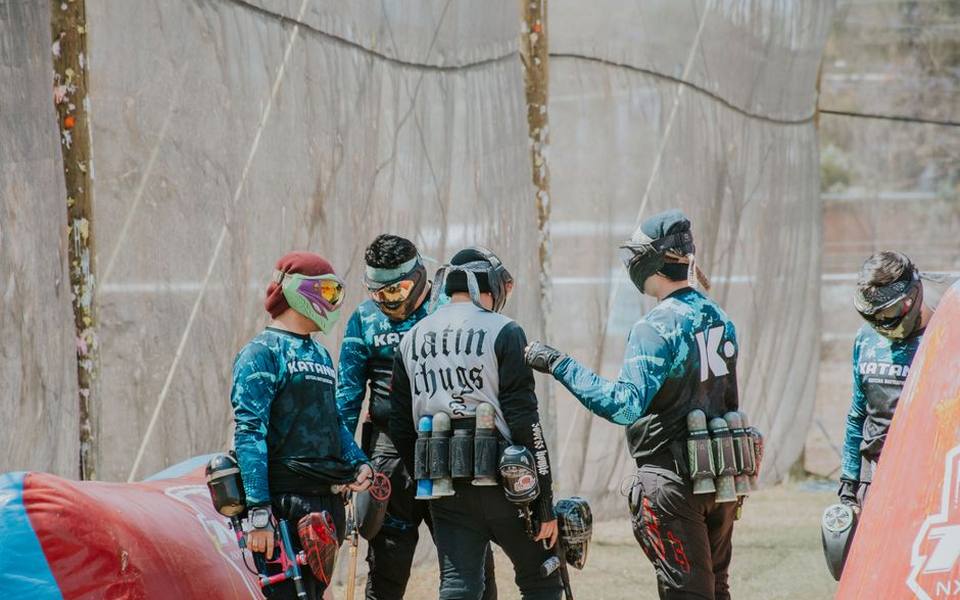
Paintball Age Limits, Tactics, and Corporate Event Planning
-
 Safety
Complete Guide to LiPo and RC Battery Chargers: Safety, Storage, and Voltage Care
-
 Owning
Paintball Video Games, Consoles, and Digital Arenas: An Off-Field Player Guide
-
 Service
CO2 Tank Refills and Compressed Air Systems: Options, Locations, and Safety Rules
-
 Owning
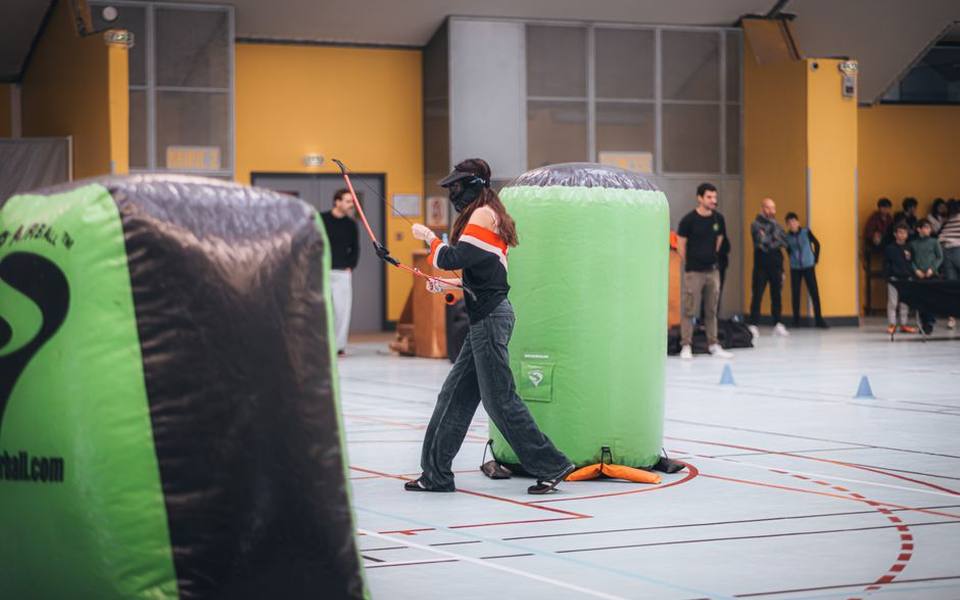
Archery Games Guide: Online Simulators to Adult Field Events
-
 Buying
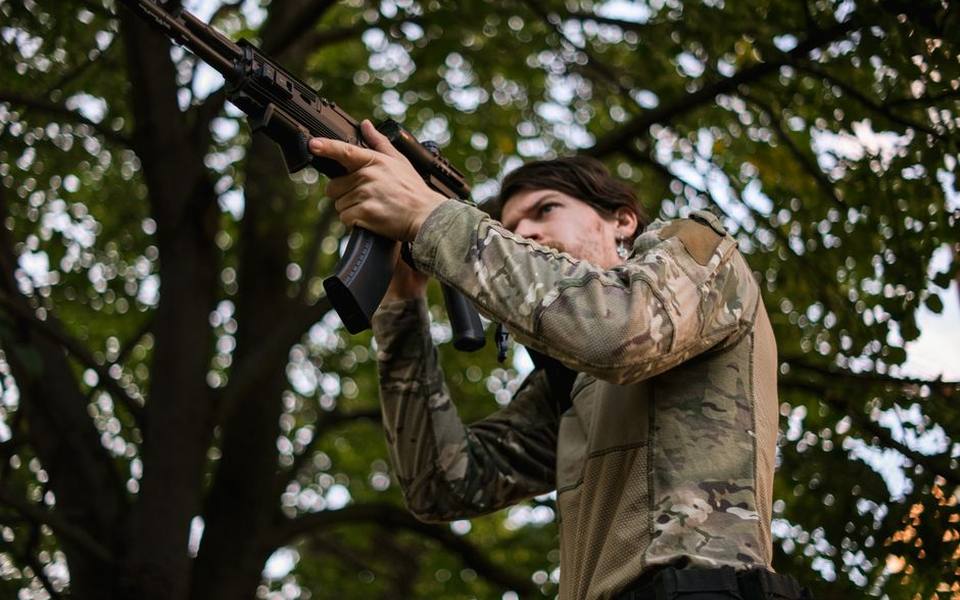
Complete Airsoft Guns and Equipment Guide: Reviews, Rentals, and Legal Safety
-
 Owning
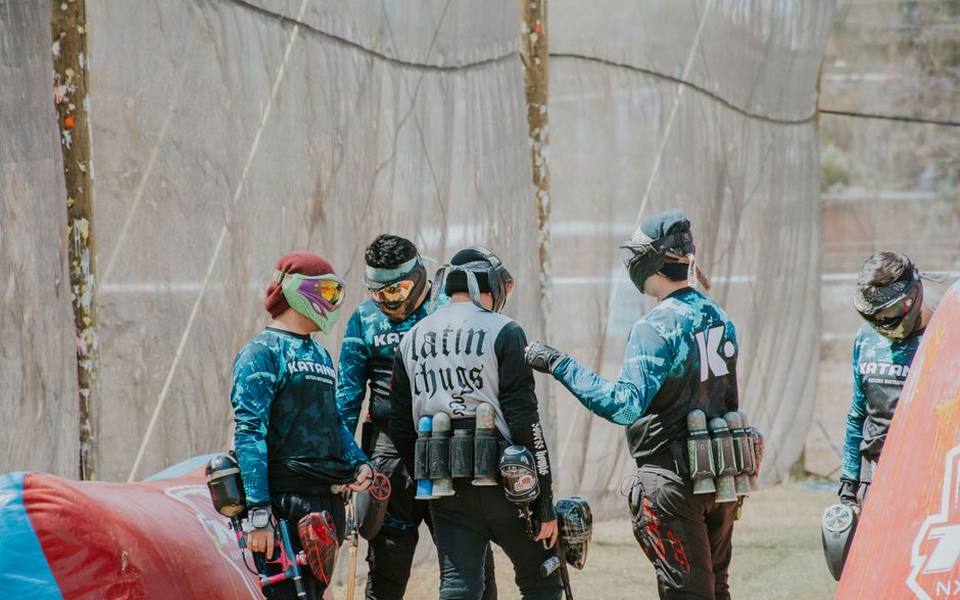
Paintball Gear & Maintenance Guide: Custom Apparel, Tank Fills, and Stain Removal
-
 Service
Ultimate Guide to Indoor Soccer Zones: Leagues, Facilities, and Play Options