How Modern Paintball Parks and Game Formats Operate
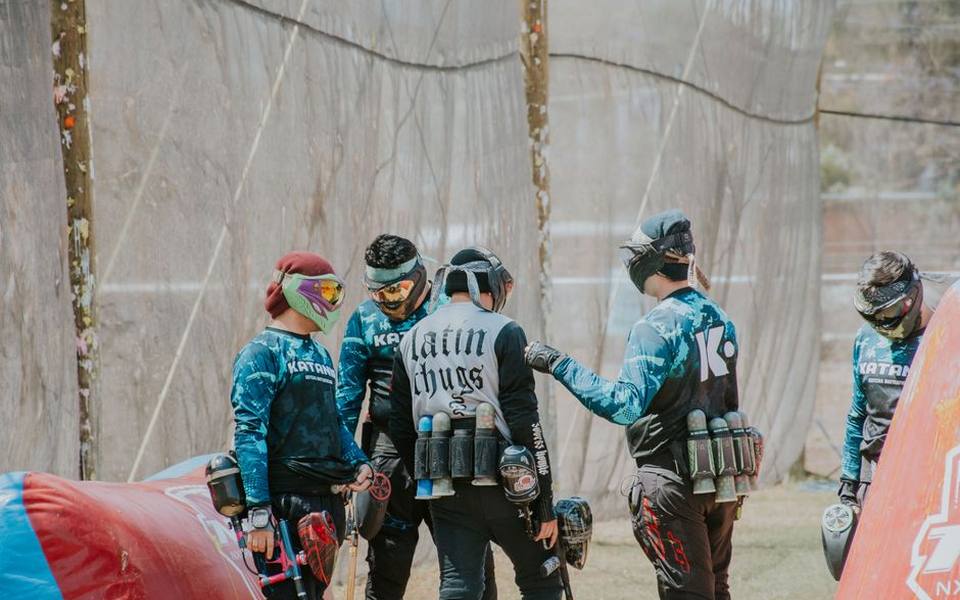
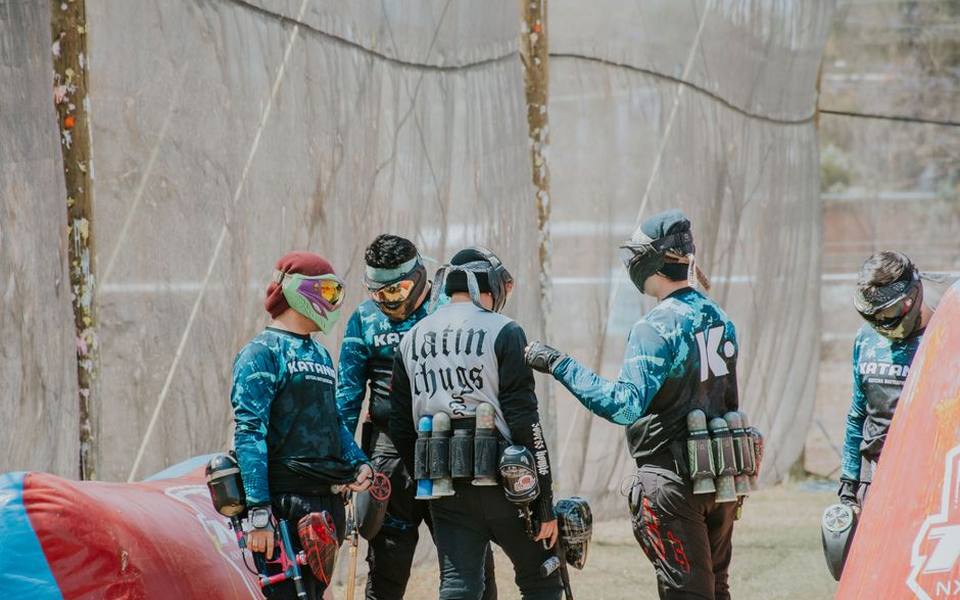
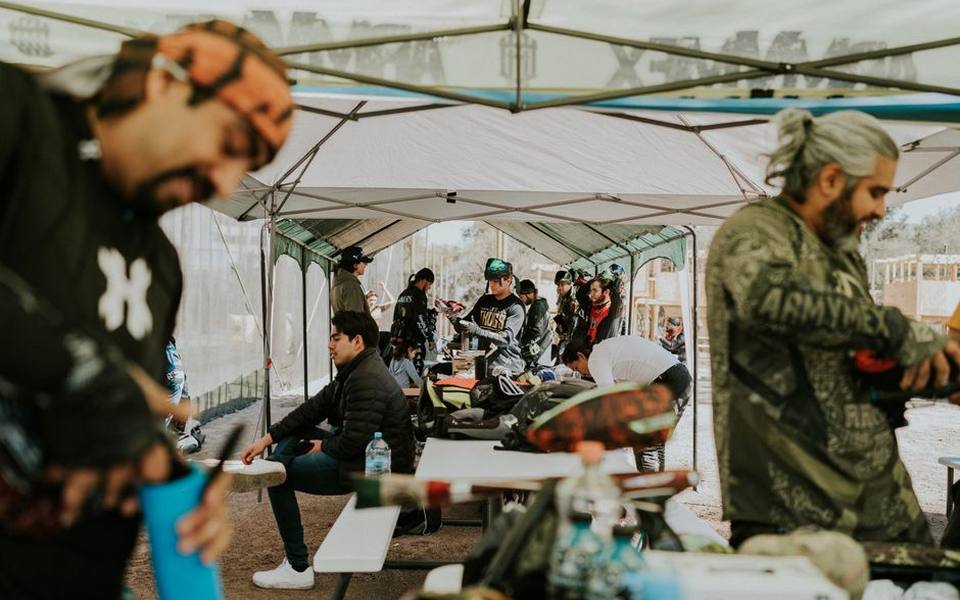
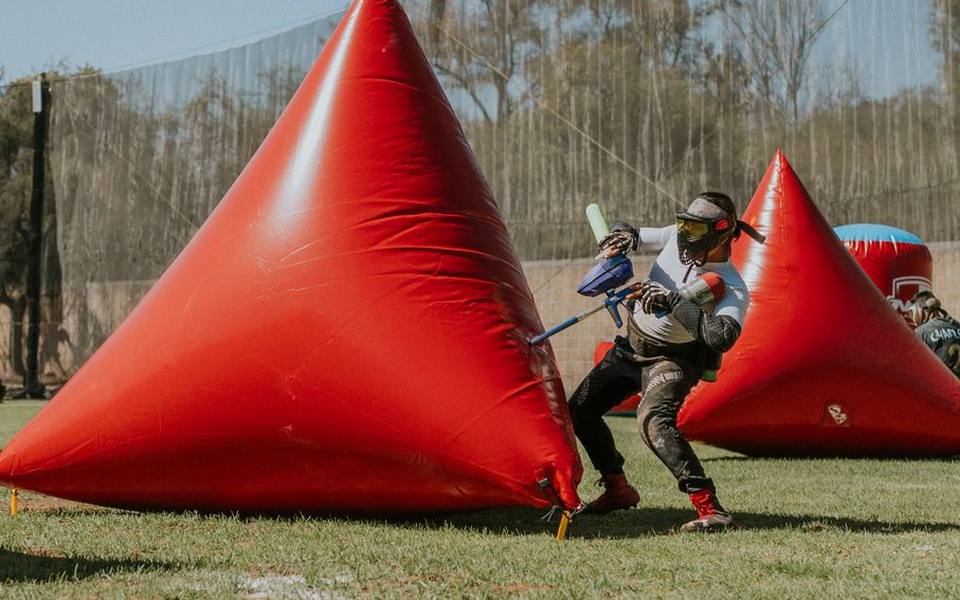
Modern paintball facilities have evolved far beyond simple patches of woods with wooden pallets. Today, commercial parks typically feature a blend of tournament-grade inflatable speedball courses, hyperball tubes, and sprawling concept woodsball zones. When you arrive as an open-play walk-on, the field staff divides all individual players into balanced teams based on equipment grade and experience, keeping high-rate electronic markers separate from basic mechanical rental setups.
Scenario formats take standard elimination rounds and layer on mission-based objectives like capturing strategic forward bases, escorting VIP players, or defusing simulated props. These games usually run on larger schedules throughout the morning and afternoon, giving participants twenty to forty minutes per match rather than the quick three-minute sprints common in tournament speedball. Referees stay on the field to monitor safety rules, confirm ball breaks, and manage respawn stations.
Choosing between an open walk-on session and an organized scenario day depends on your group size and pace preferences. Walk-on games offer quick turnarounds with minimal downtime between games, which works well if you want flexibility with your arrival and departure times. Scenario events, by contrast, demand structured registration, safety briefings, and a willingness to operate within a coordinated team hierarchy across several hours of tactical gameplay.
Midwest Themed Compounds and Woodland Field Stores
In the Midwest, playing styles often split between heavily built, urban-themed battlegrounds and traditional multi-acre timber tracts. Across northern Illinois, players can find immersive, prop-dense parks built to resemble video-game maps, complete with multi-story buildings, simulated military outposts, and concrete bunkers. These environments test close-quarters movement and reward teams that understand corner clearing, doorway angles, and controlled paint conservation.
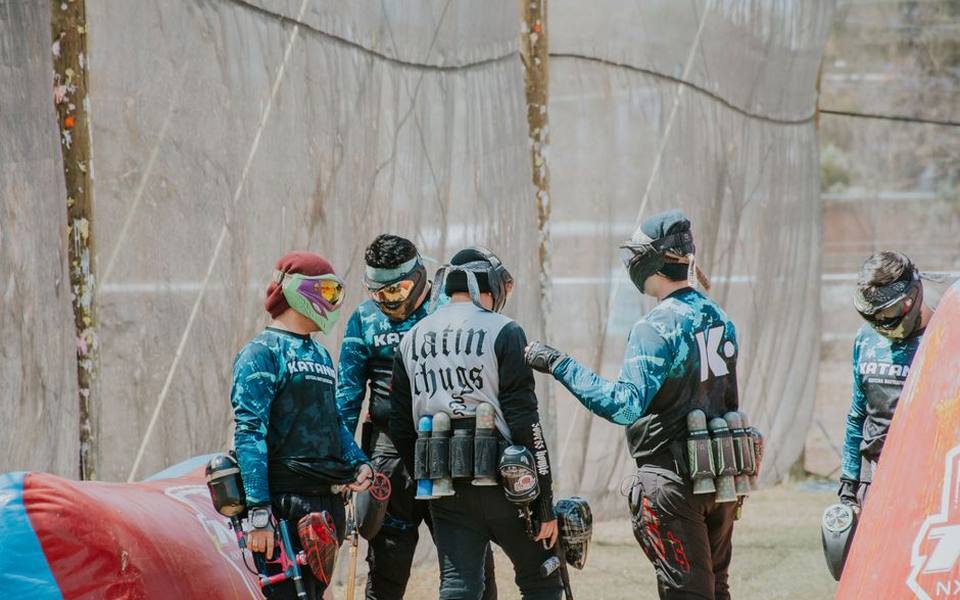
Further out into the agricultural and wooded belts, historic woodland parks offer dozens of acres divided into distinct terrain zones like natural ravines, creek crossings, and pine plantations. These facilities frequently pair their extensive field networks with full-service on-site pro shops. Having a dedicated physical store on the property allows players to purchase fresh, climate-stored paintballs, replace blown marker o-rings, or pick up thermal replacement lenses before their first morning match.
Regional weather plays a defining role in Midwest play. Late spring and early autumn provide ideal crisp conditions, but summer humidity requires players to rely on anti-fog thermal goggle systems to maintain visibility. Winter play varies widely, with some outdoor operators closing during heavy snowfall while others keep select woodland paths open for cold-weather tactical matches using winterized paint formulas.
Before traveling to regional flagship parks, verify whether the venue enforces field-paint-only policies. Most established commercial layouts require players to shoot paint purchased on the premises to maintain safe velocity consistency, insurance compliance, and biodegradable standards across their land.
Coastal Environments and Play Styles Across Northern California
Finding acreage for shooting sports in coastal metropolitan regions requires understanding local geography and land zoning. When searching for venues across the wider Bay Area, players generally look toward the valleys, regional county hillsides, or inland flats where dedicated outdoor acreage remains accessible. The local community is deeply connected to both competitive airball circuits and expansive tactical hill play.
Microclimates in Northern California heavily influence field selection throughout the year. Coastal fog and marine moisture can make morning matches slick and chilly, creating lens-fog challenges, while inland summer games can see temperatures climb rapidly by early afternoon. Experienced local players pack dual-pane thermal goggles, breathable microfiber jerseys, and plenty of electrolyte hydration to handle changing microclimates across a single playing day.
Due to regional space constraints, many facilities in this part of the country optimize their footprints by featuring high-density turf speedball layouts alongside tactical trench networks. For players looking to scout playing options throughout the state, checking comprehensive listings for paintball fields in California helps identify which venues feature tournament teams and which focus primarily on casual beginner play.
Mid-Atlantic Woodsball and Turf Near Baltimore and the Capital
The corridor spanning Baltimore and the National Capital region offers a broad mix of longstanding timber courses, municipal-adjacent sports parks, and modern tactical compounds. Because open land inside the urban core is nonexistent, players living in the capital district typically commute outward toward Montgomery, Prince George's, or northern Virginia counties. These parks provide large buffers of dense hardwood forest where seasonal elevation shifts create natural tactical vantage points.
Further north toward central Maryland and the Chesapeake basin, several parks feature advanced competition airball complexes where regional tournament teams practice on weekends. These venues maintain dedicated turf surfaces, precision net dividers, and industrial air compressors capable of rapid, reliable fills. This infrastructure ensures walk-on players and team squads experience minimal waiting between rotations.
Mid-Atlantic seasonal weather brings distinct playing phases. Spring and autumn deliver prime conditions, but midsummer brings dense humidity that makes proper goggle ventilation essential. In the winter months, many outdoor operators maintain Saturday and Sunday walk-on schedules, clearing snow from primary speedball paths while keeping wooded fields open for players who enjoy cold-weather tactical maneuvers.
Year-Round Speedball and Sun Precautions in South Florida
South Florida features one of the most active year-round paintball scenes in the country, centered around high-level tournament turf and aggressive tactical play. Venues near Fort Lauderdale and the surrounding coastal counties cater heavily to speedball players, maintaining regulation-size fields with smooth synthetic turf, shaded staging bays, and pro-grade air supply systems. The lack of freezing weather keeps local arenas busy every weekend of the year.
Playing in a tropical climate requires distinct preparation that northern players rarely encounter. Summer heat and intense UV exposure mean that light, ventilated base layers are far more practical than heavy combat jackets. Sudden afternoon rain squalls are common, so reputable parks invest in covered staging pavilions, solid drainage layers beneath their turf, and all-weather netting to keep games running through passing downpours.
Because the sport thrives year-round in this region, fields often rotate tournament airball layouts to match major national competition circuits. Players planning a trip or scouting regional weekend venues can review dedicated directories of paintball fields in Florida to find out which local parks offer dedicated team practices, open walk-on days, and walk-in rental services.
Ridge Tactics and Hillside Scenarios in East Tennessee
In the foothills of the Appalachian Mountains, including the timbered terrain around Knoxville, paintball takes on a distinctly vertical dimension. Unlike flat Midwestern farmland or manicured coastal turf fields, East Tennessee fields often utilize natural ridge lines, rocky creek beds, and steep hardwood hollows. Moving through these environments demands physical endurance, sturdy footwear with ankle support, and sharp awareness of elevation advantages.
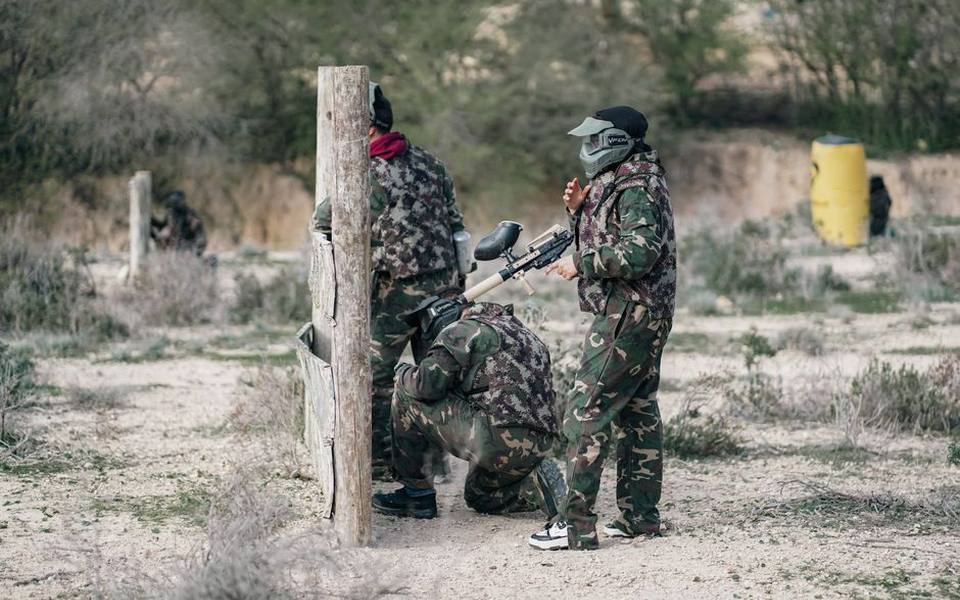
Games in this region lean heavily into authentic woodsball and large-scale military simulation matches. Operators use the natural canopy to create realistic tactical bases, sniper perches, and fortified hilltops. Flanking a squad entrenched on high ground requires deliberate coordination, low-crawling through fallen leaves, and patient communication among squad members.
Because wooded terrain in the mountain valleys can become slick after rainfall, players typically prefer cleated boots with aggressive traction over smooth athletic sneakers. In addition, dense tree cover keeps woodland fields noticeably cooler in peak summer months compared to open tournament fields, making mountain scenario play an appealing choice during midsummer heatwaves.
Night Paintball Operations and Illuminated Arenas
Nighttime play provides an entirely different atmosphere, shifting the sport from fast visual tracking to careful shadow control and sound detection. Facilities running evening sessions generally use two approaches: full stadium floodlighting over speedball turf, or dark, low-light tactical operations across wooded maps. Stadium lighting allows for traditional, high-speed play well after sunset, offering relief from daytime summer heat.
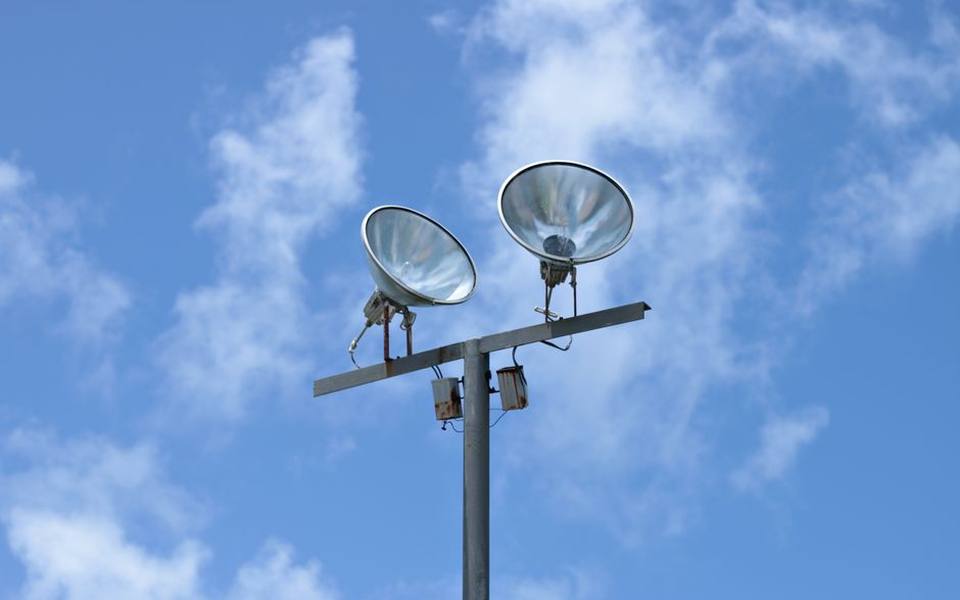
In tactical night games, visibility changes drastically. Some fields deploy low-intensity perimeter lights or chem-lights at objective points, while others run complete darkness rounds where players must rely on moonlight, muzzle flashes, and audible movement. In low-light environments, safe chronoing is paramount; fields typically enforce strict velocity testing and mandate full-face thermal masks at all times to prevent accidents in the dark.
Certain specialty events utilize glow-in-the-dark paintballs paired with UV tracer units mounted to barrel tips. As the ball passes through the barrel, an intense burst of UV light charges the luminescent shell, creating a visible tracer trail across the night sky. While standard daytime paint works fine under stadium floodlights, tracer setups create an unforgettable visual spectacle during nighttime scenario matches.
Seasonal Zombie Hunts and Interactive Theme Shoots
Every autumn, commercial paintball parks across the United States adapt their facilities for seasonal zombie hunts. These events differ substantially from conventional walk-on play because the customers are usually not shot at by the actors. Instead, families and casual groups board custom-built trailers or retrofitted military trucks equipped with mounted paintball markers to shoot at costumed performers from a secure platform.
The mechanics of an interactive zombie hunt focus on accessible entertainment. Participants receive a pre-loaded hopper of paintballs, frequently formulated with glow agents that shine under blacklights installed along the ride path. As the vehicle crawls through darkened woods, abandoned village sets, and fog-covered fields, actors dressed in heavy protective padding emerge from hiding spots, providing moving targets for the passengers.
Because these attractions serve general holiday crowds rather than experienced players, safety controls are engineered directly into the setup. The markers are bolted to vehicle railings with restricted swivel angles to prevent crossfire, velocities are set low, and actors wear heavy foam padding, chest guards, and ballistic-rated headgear. These shoots offer a safe, low-stress entry point for newcomers wanting to shoot a marker without the sting of incoming paint.
Indoor Arenas for Climate-Controlled Year-Round Play
When winter snows freeze outdoor paint or summer heat waves become unbearable, enclosed facilities offer consistent, reliable conditions. Many players turn to indoor paintball fields to sharpen their skills on smooth, padded turf inside climate-controlled warehouses. These arenas eliminate wind, rain, and temperature fluctuations, allowing equipment to perform with peak consistency.
Indoor operations generally fall into two categories: traditional indoor paint venues and reball centers. Traditional venues use specialized indoor paintballs with thinner, water-soluble fills that clean easily off netting and turf. Reball facilities replace gelatin paintballs entirely with reusable foam rubber spheres, eliminating paint mess, lowering operating costs, and providing intense, continuous target shooting without shell debris.
Playing indoors requires adjusted tactics. Sound echoes loudly off warehouse walls, making voice communication challenging and giving marker fire an intimidating crack. The shorter engagement distances mean players must react quickly, maintain tight snap-shooting profiles behind bunkers, and remain conscious of field boundaries in compact environments.
Multi-Discipline Facilities Blending Paintball and Airsoft
Across the country, operators increasingly share their outdoor real estate between multiple combat sports. Many major destinations operate as paintball fields that also offer airsoft, providing dedicated staging areas and alternating time slots for each discipline. This multi-sport model allows venues to maintain robust player turnout regardless of seasonal shifts or tournament schedules.
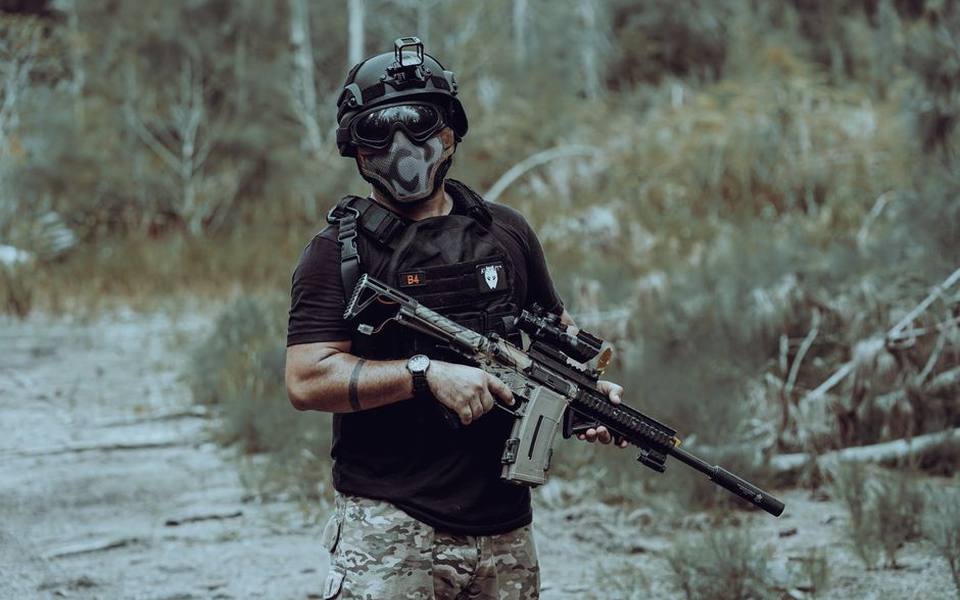
While both sports share similar tactical objectives and field layouts, managing them safely on the same property requires strict procedural discipline. Paintball relies on heavy barrel blocking devices to prevent accidental discharge in staging areas, while airsoft uses specialized barrel sleeves and magazine removal rules. Referees enforce separate chrono limits for each sport, measuring paintball speeds in feet per second with standard gelatin balls and measuring airsoft markers with specific gram BB weights.
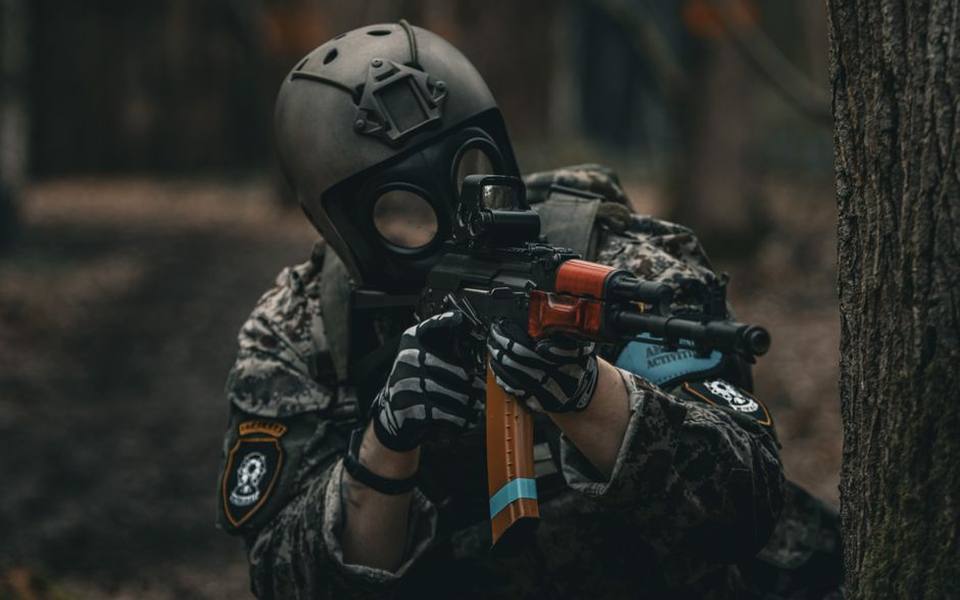
For tactical players, multi-sport parks offer the best of both worlds. A group can participate in high-adrenaline paintball speedball in the morning, then transition to technical, milsim airsoft missions in woodland ravines during the afternoon. Looking for fields with dual capabilities ensures your local squad has access to diverse gear setups, varied rulesets, and larger regional player communities.
Reserving Group Sessions and Staging Private Events
Organizing a birthday, bachelor party, or corporate retreat requires careful coordination with field management well ahead of game day. When booking dedicated paintball party venues, groups typically receive reserved staging tables, dedicated private referees, and a set rental equipment package containing masks, markers, air tanks, and safety vests. Booking private play ensures beginners only compete against friends rather than experienced walk-on players.
Most parks require an advance deposit and digital safety waivers signed by all participants or their legal guardians before equipment is issued. On the day of the event, arriving thirty to forty-five minutes before your scheduled field time prevents delays during the check-in and chrono process. Field staff walk your group through safety guidelines, mask-retention rules, and marker operation before guiding you to your private field rotations.
Group organizers should also plan for paint consumption. A standard bag of 500 paintballs can last a careful beginner roughly an hour or two, but aggressive players in fast-paced games can exhaust that supply much quicker. Choosing an all-inclusive rental tier that bundles admission, all-day high-pressure air refills, and several cases of paintballs helps avoid unexpected costs while keeping everyone in the action.
Published 2026-09-21 · reviewed with each rebuild, last October 2026.
Find paintball fields & fun centers near you
The directory lists 36,923 paintball fields & fun centers by state and city — pick your state or use the “Near me” button in the header.
More guides
-
 Service
Where and How to Refill Paintball CO2 and HPA Tanks
-
 Buying
A Guide to Purchasing Your Own Paintball Equipment
-
 Safety
Paintball vs Airsoft: Evaluating Impact, Costs, and Removing Stubborn Stains
-
 Money
MoneyHow Much Does Paintball Cost? Field Fees, Rental Packages, and Ammo Math
-
 Safety
Does Paintball Hurt? Safety, Bruises, Clothing, and Stains
-
 Buying
Where to Sell Used Paintball Guns Safely and Clean Up Gear
-
 Safety
Beginner's Guide to Paintball: Understanding Game Formats and Rules
-
 Money
MoneyPaintball Cost Guide: Equipment, Field Fees, and Play Prices
-
 Owning
How to Remove Paint and Acrylic Stains from Clothing and Fabrics
-
 Buying
Tactical and Military Boots: Brands, Comfort, and Field Selection
-
 Service
Corporate Team Building and Outdoor Adventure Events: The Complete Organizer's Guide
-
 Buying
Laser Tag Arenas, Equipment, and Home Party Rentals Guide
-
 Safety
LiPo Battery Maintenance, Safe Charging, and Balance Chargers for Gear
-
 Service
Indoor and Outdoor Paintball Fields: Venue Selection, Booking, and Rules
-
 Buying
Complete Paintball Equipment Guide: Markers, Air Tanks, Jerseys, and Field Attire
-
 Safety
Whitewater Rafting and River Adventure Parks: Destinations, Trips, and Safety Guide
-
 Safety
Airsoft Fields and Arenas Guide: Indoor vs Outdoor Venues, Rules, and Rentals
-
 Buying
Laser Tag Centers, Home Equipment, and Event Planning Complete Guide
-
 Safety
Ziplining and Aerial Trekking Parks: Top Courses, Safety Standards, and Booking
-
 Buying
Tactical Combat Boots Buying Guide: Military Specs, Fit, and Durability
-
 Owning
Paintball Marker Maintenance, Air Systems, and Tank Safety Guide
-
 Safety
What to Wear for Paintball: Clothing, Protective Gear, and Cleaning Paint Stains
-
 Owning
Airsoft Gear and Milsim Accessories: Speedloaders, Tracers, and Camouflage
-
 Safety
Paintball Age Limits, Tactics, and Corporate Event Planning
-
 Safety
Complete Guide to LiPo and RC Battery Chargers: Safety, Storage, and Voltage Care
-
 Owning
Paintball Video Games, Consoles, and Digital Arenas: An Off-Field Player Guide
-
 Service
CO2 Tank Refills and Compressed Air Systems: Options, Locations, and Safety Rules
-
 Owning
Archery Games Guide: Online Simulators to Adult Field Events
-
 Buying
Complete Airsoft Guns and Equipment Guide: Reviews, Rentals, and Legal Safety
-
 Owning
Paintball Gear & Maintenance Guide: Custom Apparel, Tank Fills, and Stain Removal
-
 Service
Ultimate Guide to Indoor Soccer Zones: Leagues, Facilities, and Play Options