Getting Started with Essential Gear and Field Expectations
Choosing gear for a day on the turf can feel overwhelming when browsing high-end gear racks or starter kits. At its core, the game requires only a handful of well-maintained components: an eye protection system, an accurate marker, a reliable compressed air or gas cylinder, and durable clothing suited to dynamic movement. Stepping onto an active field means preparing for rapid sprints, sliding through dirt or turf, and taking direct impacts from paintballs traveling near three hundred feet per second.
Rental equipment packages are designed to give beginners an affordable entry point without an immediate upfront investment. However, rental masks often suffer from scratched single-pane lenses that fog quickly in humid weather, and rental markers may feel heavy or clunky during extended scenarios. Investing in your own protective items first transforms the playing experience, letting you breathe naturally and spot opponents across tree lines or bunkers before you spend money on custom shooting platforms.
Local field rules dictate most equipment specifications, including maximum muzzle velocities, allowed firing modes, and barrel plug requirements. When booking an afternoon at an indoor field, staff will often enforce strict restrictions on paint fill colors and tank pressures to protect the netting and turf surfaces. Understanding how each piece of equipment functions allows you to show up prepared, pass safety inspections quickly, and focus entirely on tactical gameplay.
Mechanical Markers Versus Electronic Markers
Paintball markers generally fall into two primary operating categories: mechanical blowback designs and battery-powered electronic platforms. Mechanical markers use spring tension and gas pressure to cycle the bolt and load the next ball with each mechanical trigger pull. These workhorse markers are celebrated for their incredible durability in rain, mud, and sand, making them the standard choice for woodsball fields and casual weekend outings where simple upkeep is prioritized.
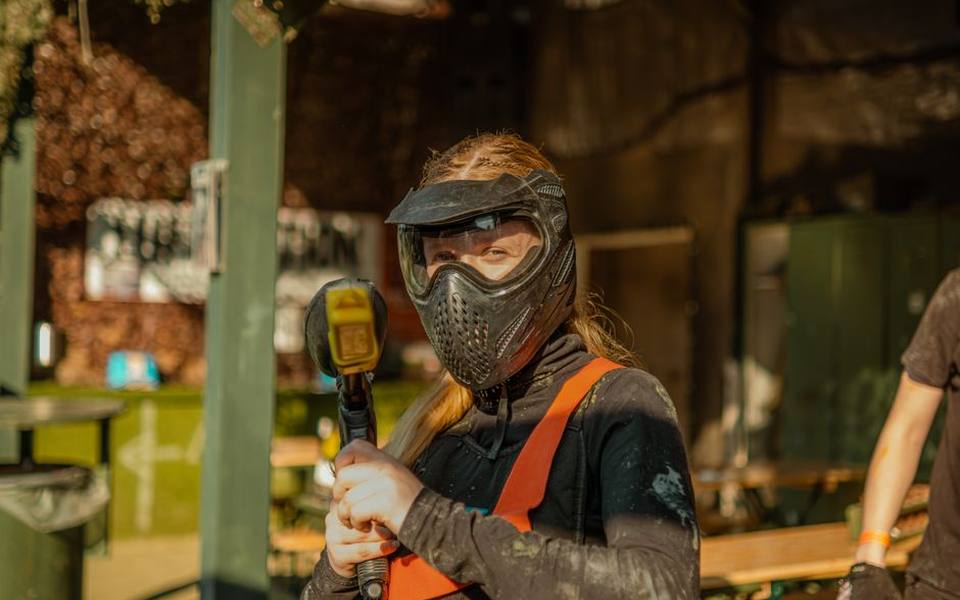
An electronic paintball marker replaces mechanical sears with a circuit board, a battery, and an electric solenoid. By pulling a microswitch trigger with minimal resistance, players can achieve extremely high rates of fire and access programmed tournament modes such as semi-automatic capping or three-shot burst. These advanced platforms run at significantly lower internal operating pressures, which reduces marker kick, quiets the muzzle report, and handles fragile tournament-grade paint without brittle shells breaking in the breach.
Maintaining an electro-pneumatic platform requires a more methodical touch than wiping down a basic mechanical gun. You must inspect miniature rubber O-rings, clean optical breach sensors that detect seated paintballs, and keep fresh nine-volt batteries in your gear bag. While mechanical markers easily endure rough handling in wet brush, electronic models provide unmatched shot consistency and agility on competitive speedball layouts where split-second reaction times decide matches.
Understanding Paintball High-Pressure Air and Gas Cylinders
Every marker relies on an expanding propellant to drive paintballs down the barrel, typically sourced from high-pressure air (HPA) or liquid carbon dioxide. A dedicated paintball air tank holds ambient air compressed to three thousand or forty-five hundred pounds per square inch, managed through an integrated regulator that outputs consistent working pressure. HPA has largely superseded older propellants because it delivers uniform velocity regardless of ambient temperature or rapid trigger cycling.
In contrast, a classic paintball co2 tank stores liquid gas that boils into vapor inside the cylinder during each shot cycle. When you shoot rapidly on a cool autumn morning, liquid carbon dioxide chills the marker's internal seals, leading to drastic velocity drops, erratic shot trajectories, and frozen internal valve components. While CO2 bottles remain inexpensive and lightweight for basic mechanical blowback markers, most modern facilities and seasoned players prefer high-pressure compressed air stations.
Filling cylinders requires strict adherence to operating tolerances to prevent catastrophic valve failures. Commercial field compressors use quick-disconnect fill nipples paired with automatic shutoff valves to prevent over-pressurization. Knowing your tank's working pressure rating—clearly stamped on the bottle exterior—ensures you never connect a three-thousand-pound aluminum cylinder to a higher-output forty-five-hundred-pound compressor line.
Hydrostatic Testing Dates and Tank Life Expectancy
Safety regulations require every pressurized vessel used in the sport to undergo periodic verification to ensure structural integrity. Determining your paintball tank hydro date involves finding the initial manufacturing stamp or subsequent inspection label printed on the bottle's outer shell. In the United States, Department of Transportation regulations dictate that most composite carbon-fiber cylinders and larger aluminum bottles must be hydrostatically tested every three to five years depending on their specific regulatory exemption number.
During a certified hydrostatic test, technicians strip the regulator, fill the bare cylinder with water inside a sealed testing jacket, and pressurize the vessel beyond its standard working limit. They measure total volumetric expansion to determine if the metal or fiber weave has suffered internal fatigue, micro-fractures, or wall thinning. Cylinders that pass receive an updated inspection sticker, whereas structurally compromised bottles are permanently decommissioned and safely condemned.
Carbon-fiber wrapped tanks generally have a hard service life limit of fifteen years from their original manufacturing date, regardless of how many times they pass intermediate hydrostatic inspections. Solid aluminum tanks under two inches in diameter often carry life exemptions, but commercial field operators will flatly refuse to fill any out-of-date or visibly gouged bottle. Inspecting your cylinder dates before traveling to regional venues across Paintball Fields in California saves you from discovering an expired tank at the staging chronograph.
Repurposing Paintball Gas Hardware for Household Projects
The standardized threading and compact dimensions of paintball cylinders have led hobbyists to adapt them for home utility tasks. A common application involves filling sodastream co2 carbonation machines using specialized brass adapters attached directly to food-grade bulk siphon bottles or standard paintball tanks. While mechanically straightforward, sourcing beverage-grade carbon dioxide is essential to prevent consuming trace lubricants or industrial particulates commonly found in standard sporting-goods compressor lines.
Another practical home workshop crossover includes creating a refillable canned air alternative for blowing dust out of computer chassis, keyboards, and delicate automotive electronics. A DIY refillable air canister duster utilizes a miniature high-pressure vessel or modified pneumatic tube fitted with a standard Schrader valve or paintball pin valve. This eliminates recurring purchases of disposable aerosol dusters that release chemical propellants and produce frozen solvent bursts when tilted sideways.
Whenever handling pressurized adapters, never compromise on certified brass fittings, pressure relief burst discs, and thread sealants rated for gas containment. Small pressurized cylinders pack immense potential energy, and utilizing cheap, unbranded conversion parts bought from discount retailers can result in damaged valve threads or hazardous gas releases. Always verify thread compatibility and pressure ratings before attaching any conversion adapter.
Essential Paintball Safety Gear and Mask Technology
Proper paintball safety gear begins and ends with an ASTM-certified protective mask engineered specifically to withstand repetitive, close-range kinetic impacts. Unlike generic shop glasses or ski goggles, a paintball goggle system encloses the eyes, temples, ears, mouth, and jawline in shatterproof polymers. The most crucial feature is a dual-pane thermal lens, which creates an insulating air gap between the outer shield and your facial warmth to eliminate internal lens fogging entirely.

Supplemental paintball safety equipment includes flexible neoprene neck protectors, padded chest protectors, and structured gloves featuring articulated knuckle plates. Taking a direct ball hit to the bare throat or fingernails can take you out of a match with painful swelling, whereas lightweight protective accessories absorb energy through high-density foam laminates. Players participating in mixed events at Paintball Fields That Also Offer Airsoft often appreciate this modular armor to guard against smaller, high-velocity plastic pellets as well.
Barrel blocking devices represent another critical non-negotiable safety rule off the active field. Heavy-duty fabric barrel condoms feature reinforced elastic cords that loop securely around the marker's grip frame or feedneck, catching accidental discharges inside the staging zone. Plastic barrel plugs that slide into the bore have been retired across modern venues because high gas pressure can launch the plug out like an unguided projectile.
What to Wear for Mobility and Impact Protection
Figuring out what to wear paintball sessions demand comes down to balancing impact cushioning against heat retention. The best foundational rule is dressing in breathable layers that you can adjust as your body temperature climbs throughout a match. Wearing a moisture-wicking base layer under a loose, rugged outer shirt helps evaporate sweat quickly while preventing abrasive brush or hard turf from scraping bare skin during slides.
When considering what clothes to wear for paintball, avoid tight denim jeans or stiff work canvas pants that restrict your ability to crouch and kneel behind low barricades. Instead, select loose cargo pants, military utility trousers, or athletic joggers crafted from ripstop fabric with reinforced knees. The slight slack in baggy clothing acts as an initial impact buffer, absorbing momentum and causing incoming paintballs to bounce rather than shatter cleanly against the body.
Footwear choice makes a massive difference across shifting terrain, whether you are traversing muddy forest paths or slick synthetic grass. High-top trail running shoes, turf shoes, or supportive hiking boots with aggressive rubber tread provide the lateral ankle stability needed when pivoting around corners. Avoid metal cleats, which are prohibited at virtually all commercial venues to protect inflatable bunkers and artificial turf mats.
Dedicated Jerseys and Modern Playing Pants
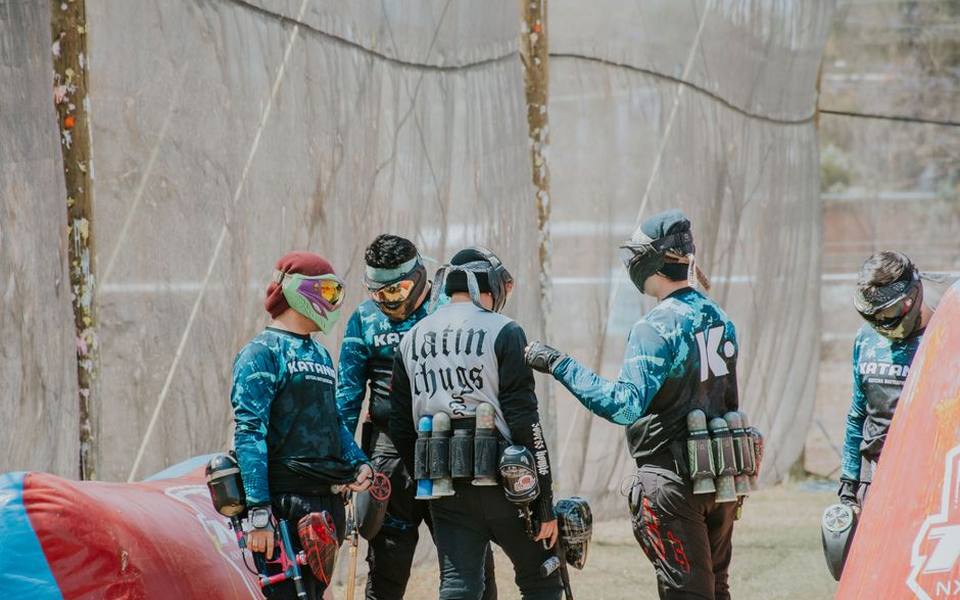
While basic utility clothing works for an entry-level session, dedicated tournament jerseys and pants provide functional advantages tailored to dynamic gameplay. Modern paintball jerseys feature lightweight ventilated mesh panels down the torso paired with reinforced Cordura forearm sleeves that withstand repetitive turf slides. These athletic garments are cut generously through the shoulders and arms, ensuring free mobility when snapping out of tight bunker angles.
Purpose-built paintball pants represent one of the best apparel investments for frequent players. They incorporate heavy padding around the knees, hips, and crotch, eliminating the need for bulky external knee braces that slip down your shins during sprints. Integrated swab pockets keep your squeegees accessible when cleaning a broken shell out of the barrel, while elastic cuff adjusters keep dirt from entering your shoes.
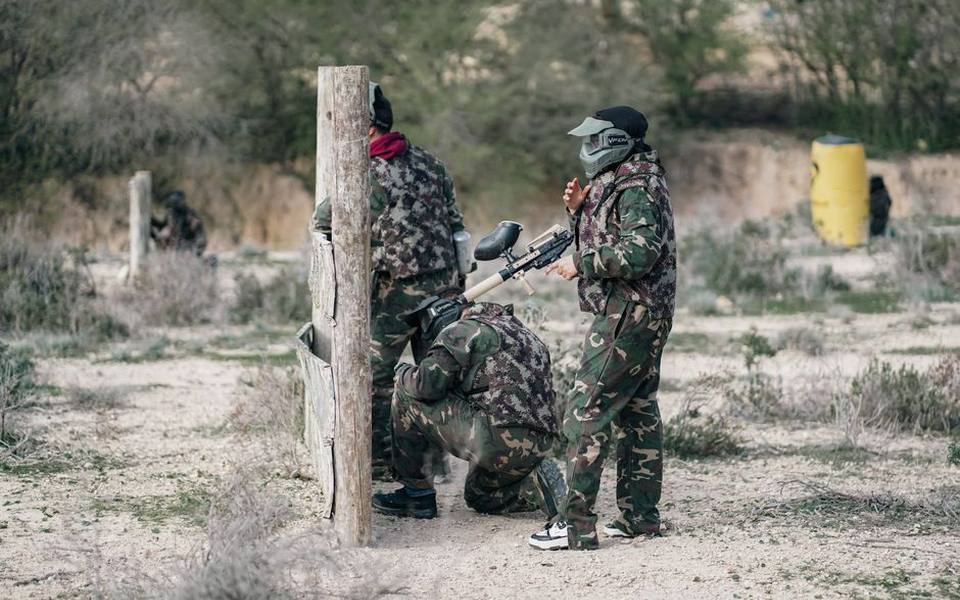
Bright team jerseys are standard in competitive speedball arenas, but natural earthy colorways reign supreme across woodland acreage. If you frequently visit expansive outdoor venues such as Paintball Fields in Texas, choosing breathable camouflage or subdued olive patterns keeps you concealed against natural brush while shedding radiant summer heat during extended morning skirmishes.
Plate Carriers, Harnesses, and Carrying Your Paint
Carrying extra paint into a match requires an ergonomic loading harness or pod pack worn snugly around the waist. Tournament pod packs use wide elastic belts with hook-and-loop closures to anchor three to eight hundred paintballs directly against your lumbar spine, keeping weight centered and preventing awkward bouncing while you run. Quick-eject elastic loops let you reach back blindly, pop the pod latch, and reload your hopper in seconds.
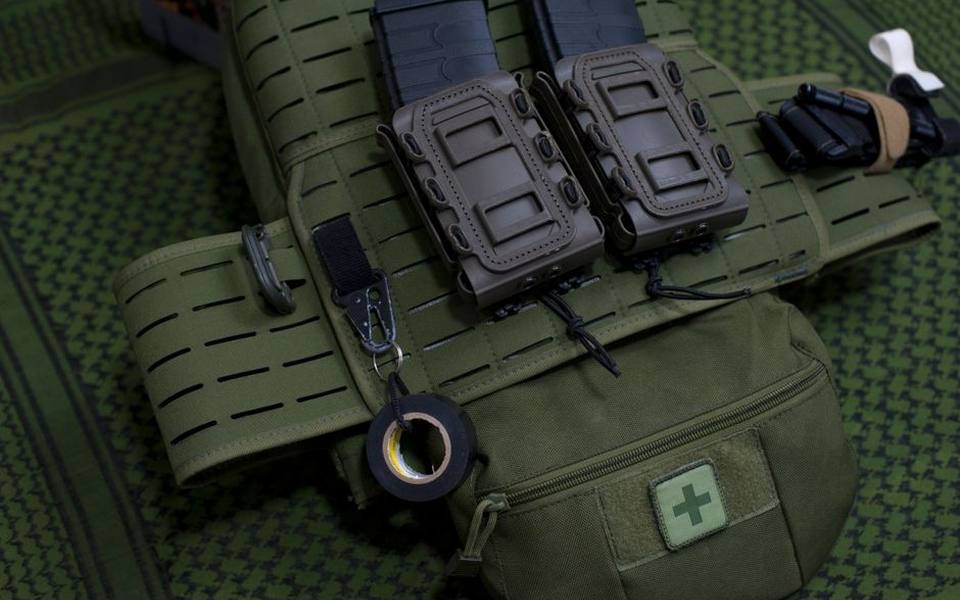
In scenario games and woodsball simulations, players frequently opt for a tactical plate carrier fitted with MOLLE webbing instead of a minimalist hip harness. While real ballistic plates are far too heavy and stifling for casual sports, using lightweight foam dummy inserts gives the vest structural rigidity to support radio pouches, hydro hydration bladders, and vertical pod carriers. A vest also provides passive chest cushioning when engaging in tight close-quarters skirmishes.
Selecting between a minimalist waist pack and a full chest rig depends largely on game duration and field layout. Short speedball matches lasting three minutes favor streamlined waist pods that allow you to stay completely flat behind low bunkers. Scenario games that run for hours across wooded acreage make modular chest rigs with integrated water reservoirs far more practical for staying fueled and supplied.
Preparing for Weather, Field Logistics, and Group Outings
Weather conditions dramatically alter paintball shell performance, marker efficiency, and overall personal comfort. Paintballs are made of gelatin that absorbs ambient humidity, turning brittle shells soft and rubbery in rainy conditions or making them fragile enough to shatter in the breach on freezing mornings. Bringing an insulated cooler to store your paint bags keeps the fill consistent and prevents direct sunlight from warping the spherical shells.
Packing a thoughtful staging kit makes between-match turnaround fast and stress-free. Your gear bag should contain microfiber cloths for mask maintenance, silicone-free paintball oil, spare O-rings, a multi-tool, and plenty of clean water for hydration. Bringing an extra change of dry clothing, fresh socks, and a heavy plastic trash bag for dirty field apparel ensures a comfortable drive home after hours of active play.
If you are organizing casual weekend group gatherings or booking private celebrations at Paintball Party Venues, communicate clothing expectations with your party guests ahead of time. Reminding first-time players to bring proper closed-toe footwear, dark layered clothing, and baseball caps worn backward prevents common rental discomforts and ensures everyone enjoys a memorable day on the field.
Published 2026-09-21 · reviewed with each rebuild, last October 2026.
Find paintball fields & fun centers near you
The directory lists 36,923 paintball fields & fun centers by state and city — pick your state or use the “Near me” button in the header.
More guides
-
 Service
Where and How to Refill Paintball CO2 and HPA Tanks
-
 Buying
A Guide to Purchasing Your Own Paintball Equipment
-
 Safety
Paintball vs Airsoft: Evaluating Impact, Costs, and Removing Stubborn Stains
-
 Money
MoneyHow Much Does Paintball Cost? Field Fees, Rental Packages, and Ammo Math
-
 Safety
Does Paintball Hurt? Safety, Bruises, Clothing, and Stains
-
 Buying
Where to Sell Used Paintball Guns Safely and Clean Up Gear
-
 Safety
Beginner's Guide to Paintball: Understanding Game Formats and Rules
-
 Money
MoneyPaintball Cost Guide: Equipment, Field Fees, and Play Prices
-
 Owning
How to Remove Paint and Acrylic Stains from Clothing and Fabrics
-
 Buying
Tactical and Military Boots: Brands, Comfort, and Field Selection
-
 Service
Corporate Team Building and Outdoor Adventure Events: The Complete Organizer's Guide
-
 Buying
Laser Tag Arenas, Equipment, and Home Party Rentals Guide
-
 Safety
LiPo Battery Maintenance, Safe Charging, and Balance Chargers for Gear
-
 Service
Indoor and Outdoor Paintball Fields: Venue Selection, Booking, and Rules
-
 Safety
Whitewater Rafting and River Adventure Parks: Destinations, Trips, and Safety Guide
-
 Safety
Airsoft Fields and Arenas Guide: Indoor vs Outdoor Venues, Rules, and Rentals
-
 Buying
Laser Tag Centers, Home Equipment, and Event Planning Complete Guide
-
 Service
Paintball Fields, Scenario Games, Night Ops, and Arena Booking Guide
-
 Safety
Ziplining and Aerial Trekking Parks: Top Courses, Safety Standards, and Booking
-
 Buying
Tactical Combat Boots Buying Guide: Military Specs, Fit, and Durability
-
 Owning
Paintball Marker Maintenance, Air Systems, and Tank Safety Guide
-
 Safety
What to Wear for Paintball: Clothing, Protective Gear, and Cleaning Paint Stains
-
 Owning
Airsoft Gear and Milsim Accessories: Speedloaders, Tracers, and Camouflage
-
 Safety
Paintball Age Limits, Tactics, and Corporate Event Planning
-
 Safety
Complete Guide to LiPo and RC Battery Chargers: Safety, Storage, and Voltage Care
-
 Owning
Paintball Video Games, Consoles, and Digital Arenas: An Off-Field Player Guide
-
 Service
CO2 Tank Refills and Compressed Air Systems: Options, Locations, and Safety Rules
-
 Owning
Archery Games Guide: Online Simulators to Adult Field Events
-
 Buying
Complete Airsoft Guns and Equipment Guide: Reviews, Rentals, and Legal Safety
-
 Owning
Paintball Gear & Maintenance Guide: Custom Apparel, Tank Fills, and Stain Removal
-
 Service
Ultimate Guide to Indoor Soccer Zones: Leagues, Facilities, and Play Options