The Core Differences Between Liquid CO2 and High-Pressure Air
Sourcing a refill for a small gas cylinder begins with knowing exactly what substance is inside the vessel and under what pressure it operates. Carbon dioxide is kept under its own equilibrium vapor pressure, typically around eight hundred to nine hundred pounds per square inch at comfortable room temperature. Inside the cylinder, the gas liquefies, meaning the container holds liquid on the bottom and a vapor cushion on top. Because of this phase behavior, CO2 tanks are never filled according to an air gauge; they are measured exclusively on a calibrated scale by weight to leave adequate expansion room.
High-pressure air, commonly referred to as HPA or compressed air, behaves entirely differently. Unlike carbon dioxide, ambient air compressed into a vessel remains a true gas throughout normal operating limits, reaching working pressures between three thousand and four thousand five hundred pounds per square inch. That massive pressure requires specialized seamless aluminum or carbon-fiber-wrapped vessels built to significantly higher burst tolerances. Refilling compressed air requires multistage industrial compressors with dedicated filtration to strip out moisture, hydrocarbons, and particulates that would otherwise ruin regulators or foul equipment.
Because these two systems operate under drastically different physics, their refill locations rarely overlap completely. A facility geared toward low-pressure workshop air or standard liquid carbonation cannot safely hook lines to a carbon-fiber air tank, and an air compressor cannot produce carbon dioxide. Finding the right refill counter depends on whether your project involves beverage preparation, running pneumatic workshop tools, or playing weekend tactical games where steady pressure is mandatory.
Beverage Carbonator Cylinders and Thread Variations
Home carbonation systems have placed pressurized vessels into millions of modern kitchens, creating regular demand for reliable gas top-ups. Most standalone drink makers utilize compact aluminum cylinders containing fourteen to fifteen ounces of food-grade carbon dioxide. For years, the industry relied on a standardized brass valve featuring coarse TR21-4 threads. If you use a countertop appliance like a classic sparkling water maker or an all-metal unit such as an Aarke carbonator, your cylinder likely spins directly into a matching female receiver block.
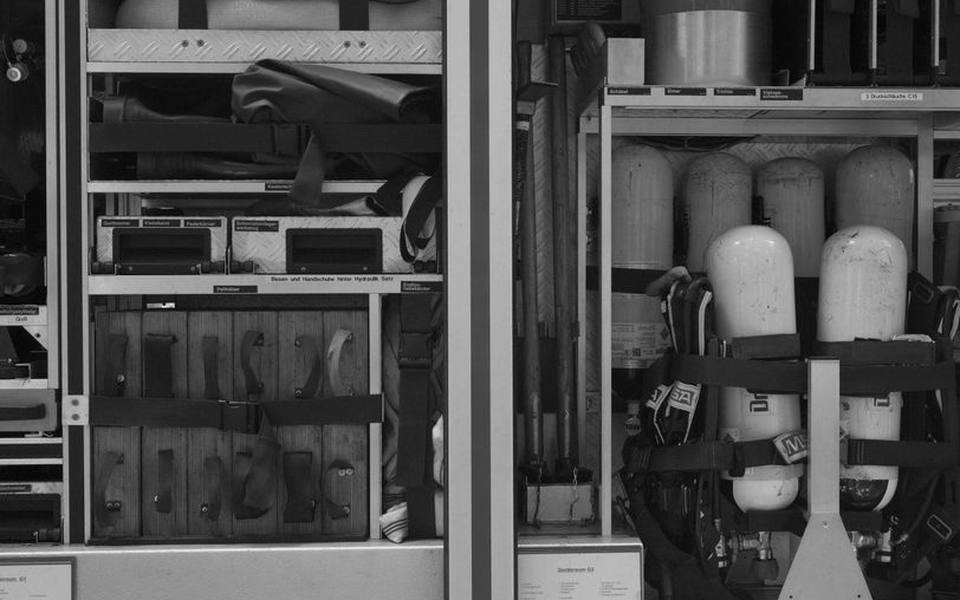
Recent design updates across popular retail models have introduced proprietary quick-connect styles, frequently identifiable by bright pink protective collars and threadless, clamp-style necks. These quick-connect valves cannot screw into traditional TR21-4 threading without an aftermarket collar adapter. Before setting out to source a replacement or line up an on-site fill, you must verify which valve design your machine takes, because hardware stores and grocers handle the two variations with separate stock.
Attempting a direct DIY refill of these compact soda cylinders at home using industrial CO2 requires purpose-built fill adapters equipped with bleed valves and pin-depression needles. The fill valve contains a security check-pin designed to lock shut if pressure surges into the neck too violently. Operators who replenish their own cylinders at home must chill the empty vessel thoroughly in a freezer beforehand, open the supply cylinder slowly to avoid triggering the internal lock, and verify the finished fill on a kitchen scale to match the stamped tare weight.
Retail Exchanges and Hardware Store Cylinder Returns
For most homeowners, the simplest route to a full tank does not involve waiting for a technician to fill their existing metal bottle. Instead, regional hardware stores, cookware chains, and general retailers participate in exchange networks. When visiting an Ace Hardware or a local participating department store, you bring your depleted cylinder to the service desk or registers. Rather than refilling your specific vessel while you wait, the clerk takes your empty unit and hands you a factory-refilled, sanitized cylinder sealed with shrink wrap.
This exchange process offsets the outright purchase price of the aluminum cylinder, meaning you only pay for the gas contents alongside a minor core swap fee. In most states, customer service desks maintain dedicated secure metal cabinets behind the counter or near the storefront containing both traditional threaded bottles and newer quick-connect variants. It is good practice to visually inspect the thin rubber washer or internal face seal of the exchange tank before leaving the parking lot to ensure the gasket is supple and unmarred.
Returning spare canisters without taking a new one home is also standard procedure if you downsize your appliances. Retail customer desks handle straight returns by issuing a deposit refund or store credit, depending on local store policy and whether you retain an original purchase receipt. Because these tanks belong to circular supply chains, returning surplus cylinders ensures they are hydrostatically re-evaluated, re-valved, and kept out of municipal waste streams where pressurized cylinders present a safety threat to sanitation equipment.
Connecting Bulk Commercial Tanks to Home Systems
High-volume soda drinkers and small coffee shops frequently outgrow miniature carbonator canisters, seeking more economical ways to supply their appliances. A practical solution involves securing a five-pound, ten-pound, or twenty-pound commercial carbon dioxide cylinder through a regional beverage distributor, welding gas supplier, or restaurant depot. These large industrial tanks rely on standard CGA-320 brass valve connections, which feature a wider flat-face thread designed to seal against a nylon or vulcanized rubber washer.
Connecting a commercial five-pound tank directly to a countertop carbonator requires a high-pressure braided stainless steel line equipped with a CGA-320 fitting on one end and a machine-compatible male adapter on the other. This direct-feed approach bypasses the small canister entirely, routing gas continuously from the floor or under-sink cabinet. The commercial tank must be a standard non-siphon cylinder, ensuring that only gaseous CO2 leaves the top valve rather than raw liquid entering the delicate plastic mechanics of the countertop machine.
Alternatively, owners who prefer keeping the counter clutter-free use large cylinders as master stations to replenish small canisters on a workbench. Sourcing a siphon-tube (dip-tube) commercial cylinder makes this refilling process convenient because it pulls liquid carbon dioxide directly from the bottom without having to mount the heavy master tank upside down. Regardless of which method you select, ensure the supply cylinder is securely strapped to a wall stud or solid post to prevent it from ever tipping over.
Refillable Workshop Air Dusters and Micro Compressors
Pressurized gas needs also extend into computer repair, electronics cleaning, and workshop maintenance, where disposable aerosol cans have fallen out of favor due to recurring cost and chemical propellants. Modern refillable compressed air dusters use robust aluminum or steel pressure chambers built to withstand repeatable fills from ninety to one hundred and twenty pounds per square inch. Unlike chemical dusters that rely on fluorocarbons, refillable dusters use everyday filtered ambient air.
Replenishing these workshop dusters is straightforward if you own an ordinary garage air compressor. Most models feature an integrated brass Schrader valve identical to the valve stem on a car tire, allowing you to charge the chamber in a few seconds using a tire inflator chuck. Some designs also feature universal high-pressure hand pump fittings or run off rechargeable high-output lithium micro-turbines, which eliminate the pressure vessel entirely by generating high-velocity airflow through concentrated mechanical impellers.
When using workshop air to charge a duster for cleaning delicate electronics, moisture management becomes the top priority. Workshop compressors condense humidity inside their steel storage tanks, which can propel fine water droplets directly onto motherboards or optics. Installing an inline moisture separator and particulate filter along your garage air hose guarantees that only bone-dry air enters the portable duster vessel.
Refill Facilities at Paintball Fields and Sporting Centers
Recreational fields represent the original hub for high-pressure air and CO2 services across North America. When players search out reliable sources for filling field-ready bottles, visiting our nationwide directory reveals facilities with industrial cascade fill systems. A commercial field operates high-capacity commercial compressors paired with banks of four to eight stationary storage cylinders, enabling rapid top-offs up to three thousand or four thousand five hundred pounds per square inch.
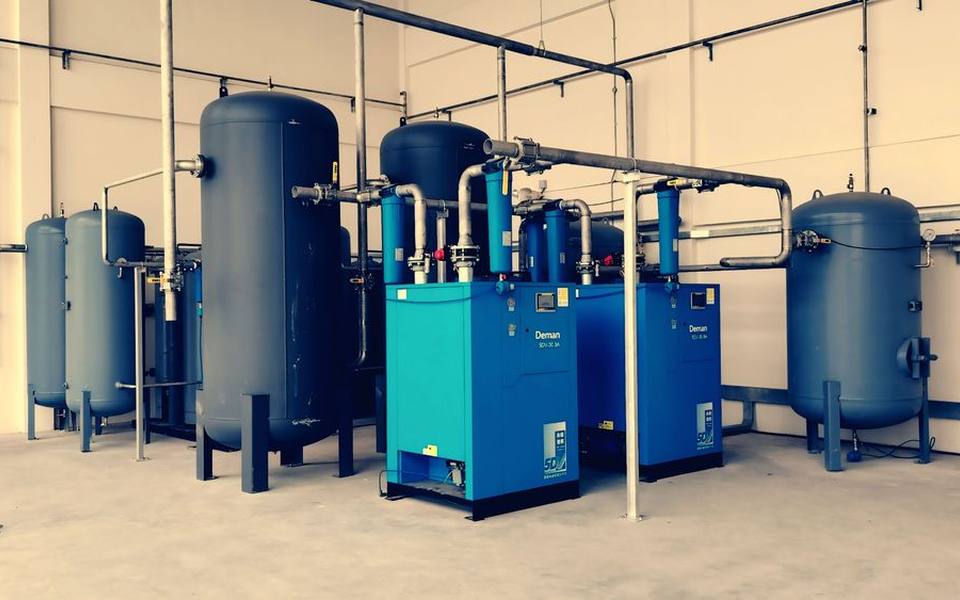
Many venues accommodate different shooting sports under one roof. For example, stopping by paintball fields that also offer airsoft allows both traditional paintball players and high-pressure-air (HPA) airsoft enthusiasts to top off small thirteen-cubic-inch to ninety-cubic-inch bottles. Indoor operations, such as an indoor field configured for climate-controlled play, typically feature walk-up fill stations maintained by safety-certified staff who verify tank stamps before attaching the quick-disconnect whip.
Paintball facilities have largely migrated away from liquid CO2 over the past decade in favor of consistent high-pressure air, though many still maintain a bulk liquid station for legacy gear. States with dense sporting communities feature dozens of options; players visiting paintball fields in Texas can find dedicated pro shops alongside fields equipped to handle both thread-in pin valves and modern foster nipples across aluminum and composite bottles.
Hydrostatic Testing Cycles and Cylinder Markings
Pressurized vessels used for carrying air or gas are regulated under strict transport and safety codes managed by the Department of Transportation in the United States and Transport Canada across the northern border. Stamped directly into the crown metal of every aluminum cylinder—or printed into the clear-coat resin of a carbon fiber wrap—is a sequence of critical identifying codes. These include the manufacturer mark, service pressure rating, original manufacture date, and cylinder specification like DOT-3AL for aluminum or DOT-SP permits for composite shells.
Hydrostatic testing is the mandatory process used to verify that a cylinder can still safely expand and contract under load without metal fatigue or structural failure. During testing, the vessel is placed into a water-filled jacket, filled with water under test pressure well above its operating limit, and measured for permanent volumetric expansion. For common aluminum CO2 and HPA tanks, this evaluation is typically required every five years, though certain small vessels exempt under dimensional thresholds or specific three-year alloy rules may differ.
Composite carbon-fiber cylinders carry an absolute lifespan limitation alongside their periodic hydro cycles. Even if a composite bottle passes its hydro test cleanly, federal regulations typically mandate a total retirement date fifteen years from its initial manufacturing date. Field technicians and filling stations will refuse to fill any cylinder that has passed its retest deadline until a certified hydrostatic testing lab inspects the bottle, stamps it with an official testing symbol, and updates its certification log.
Safe Refill Mechanics, Weight Scales, and Thermal Venting
Understanding how liquid CO2 transfers between vessels prevents catastrophic overfilling incidents. Because liquid carbon dioxide expands rapidly with rising ambient temperatures, an overfilled cylinder can easily experience hydraulic lock, where liquid completely fills the interior space leaving zero gas cushion. Without a vapor pocket to compress, the slightest temperature rise generates immense hydrostatic pressure that instantly ruptures the safety disc on the valve stem.
To achieve a proper fill, technicians mount the receiving cylinder onto a balanced digital platform scale, zero out the tare weight, and open the bulk liquid line. If both cylinders sit at identical ambient pressures, the liquid will not migrate easily. Filling stations resolve this through thermal venting: a small volume of gas is briefly purged from the receiving bottle, dropping its internal temperature and reducing pressure, which draws dense liquid in from the bulk supply cylinder smoothly.
Overfilling is strictly avoided by cross-referencing the container's stamped tare weight (TW) alongside its rated capacity. If an empty aluminum canister weighs twenty ounces dry and holds fourteen ounces of product, the fill must stop the exact moment the scale reaches thirty-four ounces. Relying on guess-timing, frost lines, or pressure gauges during CO2 filling is dangerous and violates standard industrial filling standards.
Vehicle Transport and Temperature Hazards
Transporting pressurized tanks from a filling station or retail store demands careful attention to environmental heat. The trunk of a passenger sedan parked under direct summer sun can easily exceed one hundred and forty degrees Fahrenheit within an hour. As the temperature inside an enclosed container climbs, the liquid CO2 expands, driving internal vapor pressure well past normal thresholds until the burst disk reaches its designated limit—typically around three thousand pounds per square inch—and dumps its entire charge within seconds.
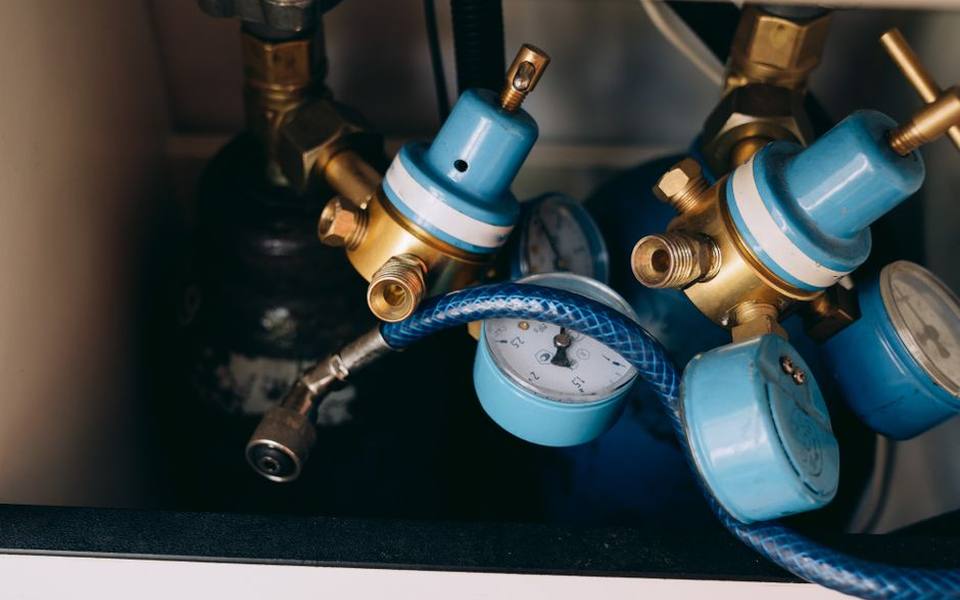
A sudden high-pressure release inside an enclosed vehicle cabin creates severe hazards beyond the sheer acoustic shock. The rapid venting of several cubic feet of cold gas instantly displaces breathable oxygen, creating an immediate asphyxiation hazard for drivers, while airborne dry ice particulates and frostbite-level cold can blast out of the relief port. When traveling back from a fill station or exchange counter, keep cylinders inside the climate-controlled passenger compartment with windows slightly cracked, never tucked away in a locked trunk.
Physical stabilization is equally vital during transit. Cylinders rolling loose across a truck bed or trunk floor can strike wheel wells, jacks, or toolboxes, potentially shearing brass valve assemblies off the tank neck. An unvalved high-pressure vessel transforms into an uncontrolled projectile. Always secure cylinders upright or laid flat inside milk crates, padded gear bags, or tied down with cargo straps so they cannot shift under sudden braking.
Troubleshooting Leaks, Valve Seals, and Burst Disks
When a filled bottle suddenly fails to hold its contents, the root cause is almost always an inexpensive external seal rather than damage to the metal shell itself. Thread-on beverage tanks and paintball cylinders rely on a urethane or high-durometer polyurethane O-ring fitted around the top valve neck. Over time, regular screwing into female adaptors flattens, micro-tears, or chips this seal, leading to an audible hissing sound the moment the valve engages.
Burst disks provide the primary emergency relief protection across all high-pressure tanks, operating as intentional weak points designed to sacrifice themselves before the cylinder metal ruptures. These assemblies consist of a small threaded brass plug containing a calibrated copper or alloy rupture membrane. If an overpressurized cylinder dumps its gas through the vented sides of this plug, the entire disk assembly must be discarded and replaced with a new unit matched precisely to the bottle's working rating (such as 1.8K or 3K ratings).
If you discover a leak emerging from the valve-to-cylinder neck threads rather than the nozzle opening, do not attempt to tighten the valve assembly under pressure. Immediately vent the cylinder outdoors away from living spaces, set the tank aside, and bring it to an experienced technician. Whether you maintain gear for weekend target sports or search out tank services across paintball fields in California, keeping fresh O-rings and checking hardware safety keeps your gas systems operating safely for years.
Published 2026-09-21 · reviewed with each rebuild, last October 2026.
Find paintball fields & fun centers near you
The directory lists 36,923 paintball fields & fun centers by state and city — pick your state or use the “Near me” button in the header.
More guides
-
 Service
Where and How to Refill Paintball CO2 and HPA Tanks
-
 Buying
A Guide to Purchasing Your Own Paintball Equipment
-
 Safety
Paintball vs Airsoft: Evaluating Impact, Costs, and Removing Stubborn Stains
-
 Money
MoneyHow Much Does Paintball Cost? Field Fees, Rental Packages, and Ammo Math
-
 Safety
Does Paintball Hurt? Safety, Bruises, Clothing, and Stains
-
 Buying
Where to Sell Used Paintball Guns Safely and Clean Up Gear
-
 Safety
Beginner's Guide to Paintball: Understanding Game Formats and Rules
-
 Money
MoneyPaintball Cost Guide: Equipment, Field Fees, and Play Prices
-
 Owning
How to Remove Paint and Acrylic Stains from Clothing and Fabrics
-
 Buying
Tactical and Military Boots: Brands, Comfort, and Field Selection
-
 Service
Corporate Team Building and Outdoor Adventure Events: The Complete Organizer's Guide
-
 Buying
Laser Tag Arenas, Equipment, and Home Party Rentals Guide
-
 Safety
LiPo Battery Maintenance, Safe Charging, and Balance Chargers for Gear
-
 Service
Indoor and Outdoor Paintball Fields: Venue Selection, Booking, and Rules
-
 Buying
Complete Paintball Equipment Guide: Markers, Air Tanks, Jerseys, and Field Attire
-
 Safety
Whitewater Rafting and River Adventure Parks: Destinations, Trips, and Safety Guide
-
 Safety
Airsoft Fields and Arenas Guide: Indoor vs Outdoor Venues, Rules, and Rentals
-
 Buying
Laser Tag Centers, Home Equipment, and Event Planning Complete Guide
-
 Service
Paintball Fields, Scenario Games, Night Ops, and Arena Booking Guide
-
 Safety
Ziplining and Aerial Trekking Parks: Top Courses, Safety Standards, and Booking
-
 Buying
Tactical Combat Boots Buying Guide: Military Specs, Fit, and Durability
-
 Owning
Paintball Marker Maintenance, Air Systems, and Tank Safety Guide
-
 Safety
What to Wear for Paintball: Clothing, Protective Gear, and Cleaning Paint Stains
-
 Owning
Airsoft Gear and Milsim Accessories: Speedloaders, Tracers, and Camouflage
-
 Safety
Paintball Age Limits, Tactics, and Corporate Event Planning
-
 Safety
Complete Guide to LiPo and RC Battery Chargers: Safety, Storage, and Voltage Care
-
 Owning
Paintball Video Games, Consoles, and Digital Arenas: An Off-Field Player Guide
-
 Owning
Archery Games Guide: Online Simulators to Adult Field Events
-
 Buying
Complete Airsoft Guns and Equipment Guide: Reviews, Rentals, and Legal Safety
-
 Owning
Paintball Gear & Maintenance Guide: Custom Apparel, Tank Fills, and Stain Removal
-
 Service
Ultimate Guide to Indoor Soccer Zones: Leagues, Facilities, and Play Options