Evaluating the Physical Impact and Sensations
A standard gelatin projectile hits with more force and leaves a larger bruise compared to a plastic pellet, but perceived pain is highly subjective. The heavier mass transfers more kinetic energy, resulting in a dull, heavy thwack. Conversely, a lighter plastic pellet causes a quick, sharp sting that fades much faster. Your clothing choices and shooting distances play a massive role in how much you feel.
The physical makeup of the projectiles explains the different sensations. Traditional spheres are gelatin capsules filled with water-soluble dye, designed to burst upon impact. Because they need to break, they carry significant momentum. If you are playing close-quarters at an indoor field, the short distance can make those impacts feel noticeably more intense compared to long-range encounters outdoors.
Solid plastic pellets do not break on impact, so players rely entirely on an honor system to call their hits. While the velocity is often comparable, the tiny mass means it carries less overall kinetic energy. You might barely feel a long-range hit through a thick jacket, whereas a gelatin sphere impact is almost always undeniably obvious to both the shooter and the target.
Equipment Types and Core Gameplay Styles
The primary difference in equipment stems from the required aesthetic and function. Replica guns heavily focus on realism, often designed as one-to-one matches of actual firearms. They use battery-powered gearboxes, high-pressure air, or green gas to propel small plastic pellets. This aesthetic appeals heavily to players interested in military simulation and tactical training scenarios, as the weight often mimics real counterparts perfectly.
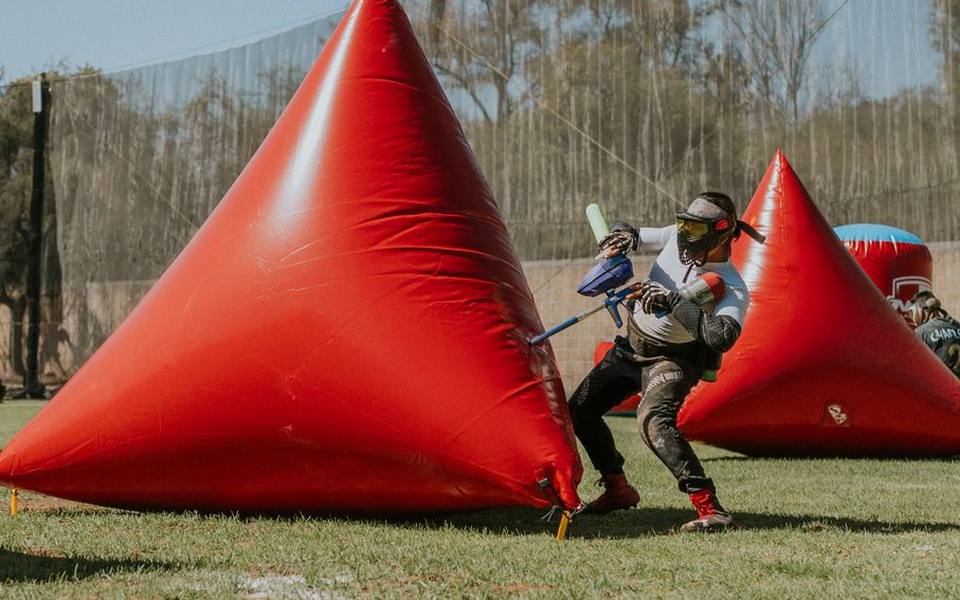
Traditional markers are generally designed with pure function over military form. While woodsball markers look somewhat tactical, speedball markers prioritize lightweight construction and rapid firing rates, resembling high-tech sporting equipment. They are powered by compressed air or CO2 tanks attached directly to the grip or routed via a remote line. The loaders sit on top, giving them a silhouette unique to the sport.
Gameplay dynamics shift drastically based on the projectile. Bright, visible marks make it very easy for referees and players to confirm an elimination. This creates a fast-paced, competitive environment minimizing disputes over hits. Plastic pellets rely entirely on the player feeling the impact and voluntarily calling themselves out, fostering a slower, methodical style. Many facilities now run airsoft games on-site alongside traditional fields.
Breaking Down the Expected Expenses
When comparing ongoing expenses, military simulations typically prove more budget-friendly in the long run due to regular ammo costs. A bag of several thousand plastic pellets is generally quite inexpensive and can easily last a conservative player for multiple weekend sessions. Heavy gelatin spheres are significantly more complex to manufacture, making a standard case of two thousand rounds noticeably more expensive.
Entry-level gear costs are comparable, but the price ceiling for military replicas often stretches much higher if you pursue realistic custom builds. Basic rental packages at a local field usually cost about the same for either sport when walking on for the day. If booking a group event, many party packages include the necessary rental gear, full admission, and a starting ammo allocation.
Maintenance and consumable costs differ significantly between the hobbies. Traditional markers require frequent cleaning because internal components and barrels regularly get coated in broken paint, shell fragments, and dirt. Replica maintenance focuses more on proper battery care, internal gearbox lubrication, and replacing worn rubber seals. You will inevitably spend more time wiping down gear, while electric replicas require more intricate mechanical troubleshooting.
Field Environments and Safety Requirements
Both activities share a similar baseline for safety rules, but eye and face protection requirements vary based on the projectiles. The traditional sport demands a full-face mask covering the eyes, mouth, and ears with a solid lens. This rule is non-negotiable at commercial fields, as large projectiles can cause severe injury. Masks also protect your skin against the spray of gelatin shell fragments.
Safety gear for military simulations depends heavily on field management and the player's age. While full-face protection is widely recommended and almost always required for minors, adult players at certain outdoor fields might only be required to wear fully sealed goggles. However, getting hit in the teeth with solid plastic can easily cause permanent dental damage, prompting experienced players to wear lower face mesh masks.
Engagement distances are strictly enforced to prevent unnecessary injuries during close combat. If someone gets too close, they are typically required to call a surrender rather than shooting. Referees monitor fields with chronographs, keeping velocities within regulated limits. There are 653 listings in top states across the directory. For example, paintball fields in California follow the same core safety principles as East Coast facilities.
Making the Right Choice for Beginners
Deciding between the two options often comes down to your tolerance for physical impact and the experience you want. If you prefer a fast, physically active game with undeniable visual confirmation of hits, the traditional sport is the standard. It has a slightly higher learning curve regarding pain tolerance, but the intense adrenaline rush is a significant draw for new players stepping onto the field.
The alternative is generally considered the better choice if you are fascinated by military history, tactical gear, and realistic squad movements. The initial sting of a tiny plastic pellet is often perceived as less intimidating for newer players, provided they wear adequate clothing. The honor system also creates an entirely different community vibe, requiring mutual trust and good sportsmanship to function properly.
You do not necessarily have to commit to one specific hobby permanently. The fundamental skills learned in both activities translate exceptionally well, particularly regarding using bunker cover, communicating with teammates, and understanding basic firing angles. Trying a weekend rental session for both is the most practical way to see which community and gameplay style fits your personal schedule and entertainment budget best.
Published 2026-09-20 · reviewed with each rebuild, last September 2026.
Find paintball fields near you
The directory lists 1,001 paintball fields by state and city — pick your state or use the “Near me” button in the header.
More guides
-
 Service
Where and How to Refill Paintball CO2 and HPA Tanks
-
 Buying
A Guide to Purchasing Your Own Paintball Equipment
-
 Money
MoneyHow Much Does Paintball Cost? Field Fees, Gear Rental, and Ammo
-
 Safety
Does Paintball Hurt? Safety, Bruises, Clothing, and Stains
-
 Money
MoneyWhere to Sell Used Paintball Guns and Equipment Safely
-
 Safety
Beginner's Guide to Paintball: Understanding Game Formats and Rules
-
 Money
MoneyPaintball Cost Guide: Equipment, Field Fees, and Play Prices