Understanding the Modern Laser Tag Landscape
Laser tag combines infrared signaling technology with fast-paced tactical movement, offering a competitive combat simulation that requires no protective face masks or projectile cleanup. The sport ranges from casual arcade-style arenas bathed in blacklights to high-end military simulation centers designed for serious tactical training. Understanding the differences between walk-in commercial facilities, outdoor tactical grounds, and boxed consumer gear helps players choose the right experience for their budget, group size, and skill level.
Commercial operations generally fall into two categories: traditional family entertainment centers and specialized tactical arenas. Family centers feature lightweight plastic phasers, glowing vests with integrated hit sensors, and labyrinthine indoor mazes shrouded in fog. Players score points by tagging opponent sensors or base stations, with automated computer systems tallying scores for post-match review. These venues cater to mixed-age groups where accessibility and immediate fun take priority over realism.
Tactical operations take inspiration from modern combat video games and military simulation sports. In these venues, equipment mimics the weight, sights, and handling of actual tactical carbines, using high-powered infrared beams capable of accurate tagging at substantial distances. Game modes shift away from simple free-for-all point accumulation toward objective-based missions such as VIP extraction, territory control, and timed bomb defusal, offering an intense alternative for older teens and adults.
Resort Corridor and Tourist Destination Arenas
Tourists visiting major entertainment corridors often encounter some of the largest multi-level laser tag arenas in the country. In vacation hotspots like Pigeon Forge in the Great Smoky Mountains, operators design massive indoor complexes that blend atmospheric mountain themes with state-of-the-art vest systems. These destination facilities regularly upgrade their hardware to handle high seasonal foot traffic, featuring multi-tiered towers, interactive wall targets, and expansive briefing rooms that keep wait times manageable during summer surges.

Waterfront vacation hubs present a similar density of high-energy indoor attractions. Travelers heading to beach destinations like Destin along the Gulf Coast or Ocean City in Maryland frequently rely on indoor laser arenas when afternoon rainstorms interrupt outdoor activities. Arenas in these coastal strips typically integrate laser tag alongside sprawling arcade floors, offering condensed ten-to-fifteen-minute matches designed to keep transient tourists moving through the experience without requiring advance tactical training.
In northern recreation centers like the Wisconsin Dells, massive indoor theme parks house cavernous arenas that span multiple stories. These mega-facilities combine theatrical fog, dynamic LED light shows, and custom soundscapes to deliver immersive arena gameplay that rivals regional amusement parks. Because these venues experience immense volume, arena marshals strictly enforce movement rules to ensure player safety amidst tight corners, ramps, and darkened observation catwalks.
Metro Arenas and Regional Tactical Centers
Metropolitan regions offer dedicated standalone facilities that focus purely on tactical laser combat rather than transient arcade entertainment. In midwestern hubs like Oklahoma City and across the wider Kansas City metro, indoor facilities frequently repurpose commercial warehouses to build intricate indoor urban environments. These complexes feature realistic room-clearing layouts, simulated streetscapes, and abandoned vehicle props that reward communication, team flanking, and strategic cover utilization.
Players comparing tactical tag with traditional projectile sports often weigh indoor laser venues against an indoor field dedicated to paintballs or reballs. While both environments share similar multi-room layouts and bunker designs, infrared combat removes the physical sting and mess entirely. This makes regional laser hubs particularly appealing for corporate team-building events, youth groups, and competitive leagues seeking intense scenario play without the bruising associated with high-velocity impacts.
Regional operators in metro areas often maintain dedicated leagues where regular squads compete in structured tournaments. For players traveling through the central states, facilities bordering paintball fields in Missouri and neighboring territories often host cross-discipline events. These tactical tournaments utilize advanced scoring software that tracks individual accuracy percentages, headshot ratios, and objective captures, giving casual walk-on players a window into competitive squad-based skirmishing.
Extreme Tactical Arenas Versus Arcade Chain Formats
The divide between extreme tactical laser combat and arcade-chain entertainment centers comes down to hardware engineering and rules of engagement. Dedicated extreme venues use metal-bodied or reinforced polymer rifles equipped with realistic red-dot optics, adjustable stocks, and programmable recoil mechanisms. Players in these arenas experience realistic magazine capacities, requiring physical button presses or simulated charging-handle pulls to reload after expending a virtual twenty-round magazine.
In contrast, nationwide restaurant-and-arcade chains such as Dave and Buster's offer streamlined, arcade-style laser tag arenas engineered for quick, accessible throughput. Their equipment features bright molded plastics, unlimited or rapid auto-respawning ammunition, and simple shoulder-strap or chest-mount receivers. Matches in these entertainment franchises typically last between five and eight minutes, providing casual gamers with a burst of sensory excitement between arcade sessions and dinner reservations.
Choosing between an extreme tactical center and an arcade franchise depends primarily on group dynamics. Families with younger children generally find arcade franchises more approachable, as simple tag-and-score mechanics eliminate the frustration of tactical elimination or complex mission rules. Conversely, adult groups celebrating milestone birthdays or bachelor parties typically prefer the physical challenge, realistic sound signatures, and strategic depth found at dedicated extreme tactical centers.
Selecting Home Hardware and Retail Blaster Kits
Setting up a private laser tag experience at home has become increasingly practical thanks to complete consumer-grade blaster kits. When shopping at general big-box retail stores like Walmart or browsing consumer electronics shelves, buyers will find boxed sets ranging from two-player starter packs to four-player family bundles. These retail systems operate on standard consumer batteries and use broad-beam infrared transmitters that reflect easily off living room walls, making indoor backyard play effortless for beginners.
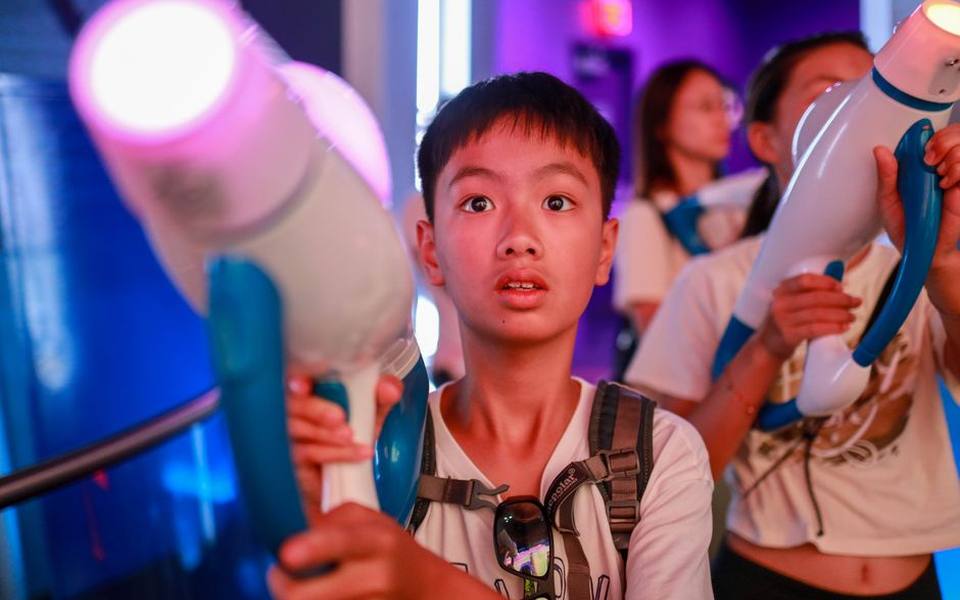
When evaluating a boxed home kit, the primary design distinction lies in sensor placement. Traditional sets include adjustable chest vests that wire directly into the phaser or communicate via low-latency radio signals. Budget-friendly or modern minimalist sets, however, integrate the receiver sensors directly into the muzzle and housing of the blaster itself. While blaster-only sensors reduce setup time and fit players of any body size, chest vests encourage more realistic body-angling and defensive cover usage.
Advanced home packages now offer programmable game modes, interactive base targets, and smartphone synchronization. High-end consumer kits allow hosts to set custom player health pools, configure friendly-fire parameters, and deploy electronic medic stations or territorial capture cubes in the backyard. While consumer infrared systems suffer reduced range under bright direct midday sunlight, playing at dusk or indoors delivers a surprisingly authentic arena experience at a fraction of ongoing commercial rental costs.
Capturing Visuals and Navigating Dark Arenas
Promotional images and arena pictures often showcase laser tag facilities with brilliant, razor-sharp beams slicing through deep purple haze. In reality, visible beams require active theatrical fog machines and specific ambient lighting angles, as infrared light itself remains entirely invisible to the naked human eye. Commercial venues use low-powered green or red pointer lasers solely for aiming reference, while the actual hit scoring is carried out by wide-dispersion infrared diodes pulsing invisible data packets.
Taking clear photos in a blacklight arena poses significant challenges for parents and spectators. Smartphone cameras struggle with the extreme contrast between glowing neon murals and pitch-black corridors, frequently resulting in blurry motion artifacts or heavy digital noise. To capture crisp action pictures, photographers should position themselves near static base targets or brightly lit corridor intersections, setting their cameras to high shutter speeds or burst modes to freeze players moving through the haze.
Understanding how arena lighting works is also vital for personal tactical advantage and safety. Wearing white clothing, neon sneakers, or light-colored outerwear will make a player illuminate brilliantly under ultraviolet blacklights, transforming them into an effortless target from across the arena floor. Experienced competitors dress in matte black or dark charcoal fabrics, allowing them to blend into shadowy partitions and exploit blind angles while navigating the complex maze layout.
Planning Group Events and Birthday Packages
Commercial laser tag facilities serve as one of the most reliable options for birthday parties, corporate outings, and end-of-season sports celebrations. Most commercial arenas offer structured party packages that include reserved table space, dedicated arena marshals, private briefing sessions, and multiple back-to-back mission rounds. Booking a dedicated package ensures that your group plays exclusively together rather than being integrated into general public sessions with unpredictable player age gaps.
When organizing an event, party planners must evaluate package inclusions carefully. Basic venue options typically provide two ten-minute matches, scorecards for all participants, and access to a shared party room for approximately ninety minutes. Premium packages frequently add arcade game cards, catered pizza, unlimited soft drinks, and private tournament structures with custom mission parameters. Planners should confirm whether the venue allows outside cakes or requires exclusive use of their in-house catering services.
Scheduling arrival times requires buffer management, particularly on busy weekends. Most commercial centers require guest check-in at least twenty to thirty minutes prior to scheduled arena entry to handle liability waivers, group vest sizing, and safety briefings. Arriving late can compress your actual arena play time, as commercial facilities operate on strict computerized match schedules that cannot be delayed without impacting subsequent customer bookings throughout the afternoon.
Safety Standards, Rules, and Arena Etiquette
While laser tag eliminates physical projectiles, the combination of dim lighting, elevated adrenaline, and enclosed obstacles creates potential safety hazards if rules are ignored. Standard arena regulations strictly prohibit running, climbing on partition walls, and making physical contact with opposing players. Referees monitor the arena from elevated stations or walk the floor in reflective vests, utilizing computerized administrative remotes to temporarily disable the vests of players who repeatedly violate safety standards.
Proper foot gear represents the single most important safety consideration for participants. Commercial facilities uniformly mandate closed-toe athletic footwear with adequate rubber tread, flatly barring sandals, high heels, and slick dress shoes. Arena ramps, carpeted platforms, and sudden direction changes can lead to rolled ankles or slips if footwear lacks traction, particularly when atmospheric fog machines deposit light moisture onto smooth corridor floor surfaces.
Etiquette inside the arena ensures fair competition and enjoyable gameplay for everyone involved. Tactical spawn-camping—standing directly outside an opposing team's revitalization station to tag players the instant their invulnerability period expires—is widely discouraged or penalized by automated sensor delays. Similarly, intentionally blocking chest or shoulder sensors with hands, clothing, or blaster barrels violates arena fair-play codes and leads to disqualification in referee-monitored matches.
Cross-Training Between Laser Tag, Airsoft, and Paintball
Many recreational players use laser tag as an entry point before transitioning into projectile combat sports like airsoft and paintball. Modern tactical laser venues bridge this gap by teaching core tactical fundamentals, including disciplined corner slicing, cover communication, and trigger discipline, without the fear of painful impacts. These non-contact tactical arenas serve as an ideal proving ground for younger enthusiasts who wish to experience squad tactics before investing in heavier gear.
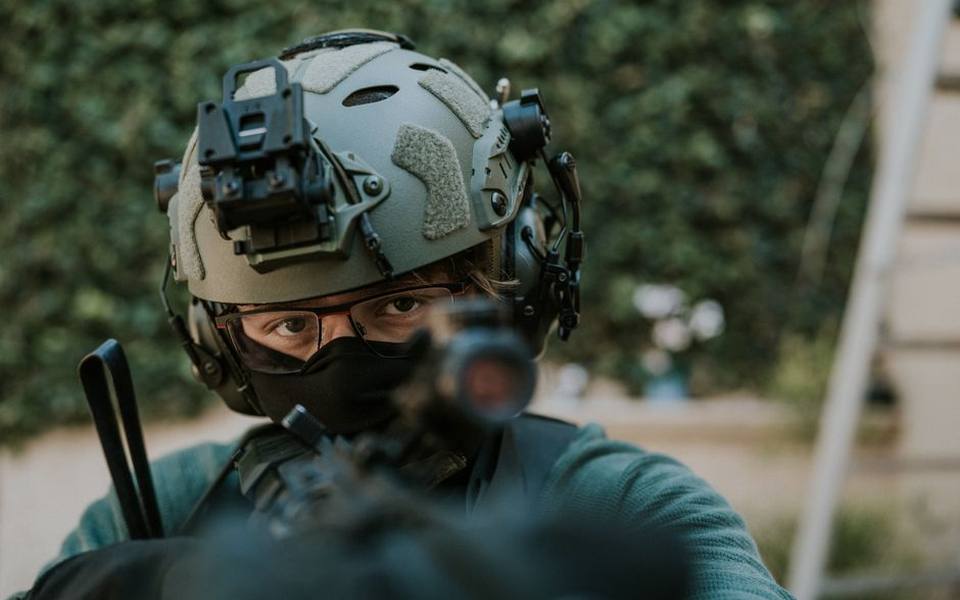
Several multi-sport adventure parks now host both infrared tactical arenas and traditional combat fields on the same commercial property. Enthusiasts looking for broader shooting sports can easily locate venues featuring airsoft games on-site alongside indoor laser arenas, providing a progression path from infrared sensors to six-millimeter plastic BB skirmishes. This hybrid facility model allows diverse family groups to split between high-impact sports and zero-impact laser matches according to comfort levels.
Geographic considerations also play a role in how players engage with these combat sports year-round. In sunbelt destinations like paintball fields in Florida, soaring midsummer temperatures and sudden tropical thunderstorms often drive outdoor players toward air-conditioned tactical laser tag centers. Conversely, during mild autumn and winter months, laser tag veterans frequently take their tactical communication skills outdoors to test their abilities against live-flying paintballs on expansive woodland layouts.
Maintenance and Care for Home Laser Tag Gear
Maximizing the lifespan and reliability of consumer laser tag kits requires basic electronic maintenance and proper post-game storage habits. Because home blasters rely on optical lenses to focus and collect infrared signals, keeping the front emitter lenses and receiver domes clean is essential. Dust, mud, or greasy fingerprints can scatter infrared beams, resulting in erratic hit registration or drastically shortened effective range during neighborhood matches.
Battery management represents the most common operational challenge for residential equipment sets. Most consumer blasters and sensor vests require multiple AA or AAA alkaline cells, which will slowly drain or corrode if left installed inside the battery compartments during seasonal storage. Removing all batteries after each play session prevents terminal oxidation and ensures that expensive electronic components remain fully functional when pulled from storage for the next family gathering.
Finally, inspecting plastic housings for hairline cracks after rigorous outdoor play prevents internal moisture intrusion. While many consumer tactical sets are durable enough to withstand minor drops on lawn turf, they rarely feature weatherproof seals against rain or heavy garden dew. Storing equipment in padded plastic storage totes with snap-on lids protects delicate internal circuit boards from humidity, pet hair, and impact damage, ensuring your home arsenal delivers dependable performance year after year.
Published 2026-09-21 · reviewed with each rebuild, last October 2026.
Find paintball fields & fun centers near you
The directory lists 36,923 paintball fields & fun centers by state and city — pick your state or use the “Near me” button in the header.
More guides
-
 Service
Where and How to Refill Paintball CO2 and HPA Tanks
-
 Buying
A Guide to Purchasing Your Own Paintball Equipment
-
 Safety
Paintball vs Airsoft: Evaluating Impact, Costs, and Removing Stubborn Stains
-
 Money
MoneyHow Much Does Paintball Cost? Field Fees, Rental Packages, and Ammo Math
-
 Safety
Does Paintball Hurt? Safety, Bruises, Clothing, and Stains
-
 Buying
Where to Sell Used Paintball Guns Safely and Clean Up Gear
-
 Safety
Beginner's Guide to Paintball: Understanding Game Formats and Rules
-
 Money
MoneyPaintball Cost Guide: Equipment, Field Fees, and Play Prices
-
 Owning
How to Remove Paint and Acrylic Stains from Clothing and Fabrics
-
 Buying
Tactical and Military Boots: Brands, Comfort, and Field Selection
-
 Service
Corporate Team Building and Outdoor Adventure Events: The Complete Organizer's Guide
-
 Buying
Laser Tag Arenas, Equipment, and Home Party Rentals Guide
-
 Safety
LiPo Battery Maintenance, Safe Charging, and Balance Chargers for Gear
-
 Service
Indoor and Outdoor Paintball Fields: Venue Selection, Booking, and Rules
-
 Buying
Complete Paintball Equipment Guide: Markers, Air Tanks, Jerseys, and Field Attire
-
 Safety
Whitewater Rafting and River Adventure Parks: Destinations, Trips, and Safety Guide
-
 Safety
Airsoft Fields and Arenas Guide: Indoor vs Outdoor Venues, Rules, and Rentals
-
 Service
Paintball Fields, Scenario Games, Night Ops, and Arena Booking Guide
-
 Safety
Ziplining and Aerial Trekking Parks: Top Courses, Safety Standards, and Booking
-
 Buying
Tactical Combat Boots Buying Guide: Military Specs, Fit, and Durability
-
 Owning
Paintball Marker Maintenance, Air Systems, and Tank Safety Guide
-
 Safety
What to Wear for Paintball: Clothing, Protective Gear, and Cleaning Paint Stains
-
 Owning
Airsoft Gear and Milsim Accessories: Speedloaders, Tracers, and Camouflage
-
 Safety
Paintball Age Limits, Tactics, and Corporate Event Planning
-
 Safety
Complete Guide to LiPo and RC Battery Chargers: Safety, Storage, and Voltage Care
-
 Owning
Paintball Video Games, Consoles, and Digital Arenas: An Off-Field Player Guide
-
 Service
CO2 Tank Refills and Compressed Air Systems: Options, Locations, and Safety Rules
-
 Owning
Archery Games Guide: Online Simulators to Adult Field Events
-
 Buying
Complete Airsoft Guns and Equipment Guide: Reviews, Rentals, and Legal Safety
-
 Owning
Paintball Gear & Maintenance Guide: Custom Apparel, Tank Fills, and Stain Removal
-
 Service
Ultimate Guide to Indoor Soccer Zones: Leagues, Facilities, and Play Options