Understanding Lithium Polymer Cells and Marker Electronics
A lithium polymer power pack functions quite differently from older nickel-cadmium or alkaline power sources, offering a high discharge rate alongside a compact footprint. In tactical gear, electronic paintball markers, and motorized loaders, a lipo battery provides the snappy trigger response and rapid solenoid cycling demanded during competitive play. However, the volatile chemistry inside these soft pouch cells requires strict operational parameters. While conventional cells gradually drop in voltage without incident, a polymer cell can suffer internal structural failure if pushed beyond its specific electrical boundaries.
Understanding cell voltage is the first step in responsible ownership. Each individual cell operates at a nominal voltage of 3.7 volts, peaking at 4.2 volts when fully charged, and should never be drawn below approximately 3.0 volts under load. In most setups, allowing a pack to dip beneath its cutoff threshold causes permanent chemical degradation, often leading to internal short circuits. When you are charging li polymer battery packs, matching the voltage delivery of your power source to the exact cell count of your equipment is vital for maintaining cell stability.
Unlike hard-cased consumer batteries, polymer cells lack built-in pressure relief vents, making them vulnerable to mechanical crushing, puncture, or thermal shock. Players running high-end gear often store these packs inside tight grip frames or external foregrips where physical clearance is minimal. Routine physical inspection before every outing protects your gear from sudden electrical failure. If an individual pack shows signs of denting, wrapping abrasion, or soft sponginess, it must be removed from service immediately to avoid catastrophic thermal runaway.
Working with 12-Volt Systems and Automotive Charging Setups
Many players travel long distances to scenario games and rely on direct current sources at the staging area to top off their packs. Connecting equipment to an auxiliary vehicle port requires understanding how voltage regulation works. A dedicated 12 volt lithium battery charger converts fluctuating vehicle power into the tightly controlled constant-current, constant-voltage curve necessary for multi-cell gear. Trying to connect a pack directly to an unfiltered DC plug can destroy cell membranes within seconds, as automotive alternators routinely spike well above standard charging voltages.

When managing mobile gear, hobbyists frequently encounter equipment running on three-cell packs that sit near 11.1 volts nominal or four-cell setups. Using a true 12v lithium ion battery charger guarantees that input power remains stable regardless of minor drops in the donor vehicle's battery. These power units rely on internal buck-boost converters to elevate or reduce supply voltage to match the pack's exact parameters. Without this active regulation, charging efficiency drops, and sensitive internal circuitry risks taking unintended current rushes.
It is also common to see external field utilities, such as motorized chrono stations or automated target systems, powered by larger auxiliary banks. If you rely on a lithium battery charger 12v configuration at camp, verify whether your hardware expects a steady 12-volt supply or if it can accommodate the varying 10-to-15 volt swings typical of portable solar or generator rigs. Investing in a robust 12v lithium ion charger designed specifically for field use ensures your peripheral equipment stays fully operational without risking damage from dirty generator lines.
The Critical Role of Cell Balancing During Every Cycle
Multi-cell packs connect two or more individual cells in series to achieve higher operating voltages, but individual cells naturally drift apart in capacity and internal resistance over repeated use. A standard two-wire charging connection only measures the total pack voltage, completely blind to whether one cell sits at an overcharged 4.35 volts while another lags at 4.05 volts. A dedicated lipo battery balance charger prevents this dangerous disparity by monitoring and adjusting each individual cell through a secondary multi-pin balance plug throughout the entire charge cycle.
The balancing process works by shunting micro-currents away from higher-voltage cells while allowing lower-voltage cells to catch up, ensuring every cell finishes at precisely 4.20 volts. Using a lipo balance charger every time you power up your packs eliminates the drift that causes premature pack degradation. When cells become drastically unbalanced, the weaker cell drains first during rapid firing sequences, dropping below its critical threshold and risking irreversible cell collapse.
Modern charging stations combine these monitoring functions directly into a single automated housing. Operating a lipo battery charger and balancer allows you to read internal resistance values across every channel before committing power. This diagnostic window shows you precisely how healthy the pack remains over its operational lifespan, warning you well before an internal fault leads to swelling or sudden mid-game power loss on the playing field.
Managing Multi-Cell Configurations and Heavy 4S Demands
While low-profile tournament markers typically run on compact single-cell or two-cell configurations, heavier tactical simulation equipment, customized drones, and large support systems frequently demand four-cell packs. Sourcing a capable lipo 4 battery charger is essential for players running these high-amperage 14.8-volt platforms. A four-cell system places significantly more electrical stress on charger components, requiring higher wattage output and aggressive thermal dissipation during the constant-current phase.
Charging a four-cell pack requires careful attention to the pack's milliamp-hour rating and maximum allowable charge rate. Most manufacturers recommend charging at a standard rate of 1C, meaning a 2200mAh pack should be charged at 2.2 amps. Attempting to force higher currents through a basic multi-port unit without active thermal regulation generates excessive heat, degrading internal separators. A four-cell unit must feature a dependable microchip capable of balancing four distinct voltage feeds simultaneously without overheating its internal heatsinks.
When handling larger packs at Paintball Fields That Also Offer Airsoft, players often share charging tables between matches. In these fast-paced staging environments, human error represents the greatest hazard. Accidentally setting a multi-chemistry unit to four cells when connecting a smaller two-cell pack can cause an instant fire. Taking three seconds to verify that your display matches the physical cell count printed on the pack's label eliminates this catastrophic risk entirely.
Selecting the Right Smart Charger for Your Equipment Bag
Selecting a reliable lipo charger requires balancing your power availability, equipment size, and budget. Budget units that lack digital readouts often rely on simple blinking indicator lights, providing no feedback on cell health, balance status, or charged capacity. A quality computerized unit allows you to program specific discharge rates, storage parameters, and cut-off timers. Having direct visibility into cell health helps you identify failing gear long before you step onto the turf.
When evaluating chargers, consider whether you need alternating-current wall power, direct-current field capability, or a hybrid unit that accepts both inputs. Hybrid chargers offer maximum flexibility, allowing you to prep gear at home from a wall outlet and top off batteries at the field using a car battery or deep-cycle power pack. Look for models equipped with reverse polarity protection, short-circuit shutdown, and thermal probes that monitor the battery's surface temperature during operation.
Another key consideration is the charger's discharge wattage. When cycling packs or bringing them down to storage voltage, inexpensive units often struggle due to low internal discharge limits. A well-built charger can efficiently bleed excess energy without radiating excessive heat into your workbench. Investing in a solid unit protects your valuable gear packs from overcharging and gives you clear diagnostic data on every battery you own.
Step-by-Step Routine for Safe Battery Charging
Establishing a disciplined lipo battery charging routine significantly reduces fire hazards and keeps your gear performing consistently. Always charge packs on a non-flammable surface, such as a concrete garage floor, a ceramic tile, or inside an explosion-resistant charging sack. Never leave batteries unattended on wooden workbenches, carpets, or near staging gear bags. If a pack experiences a runaway event, having physical fire containment prevents secondary ignition of surrounding materials.
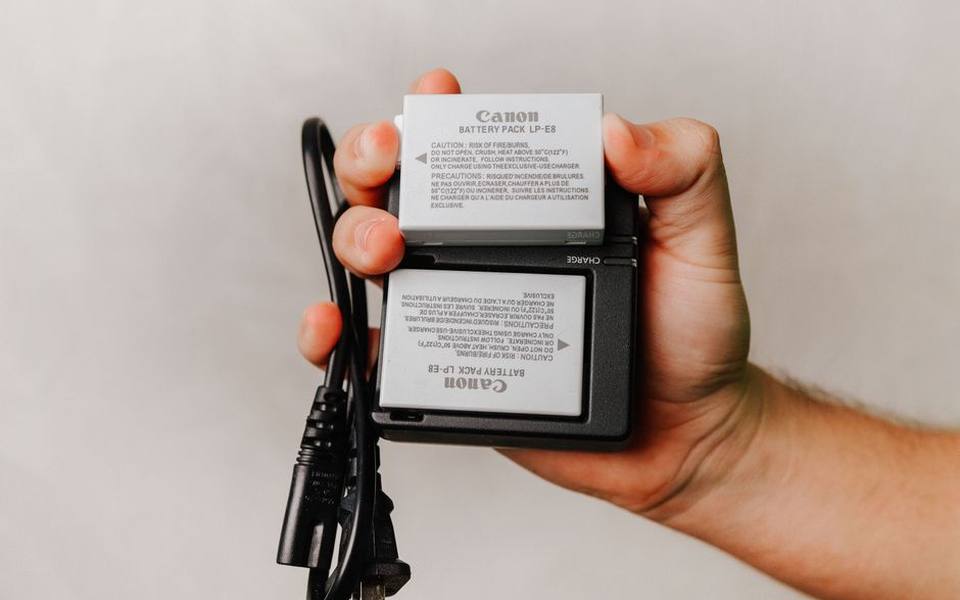
Begin by physically inspecting the battery pack for swelling, soft spots, dented corners, or damaged wire insulation. Connect the primary discharge leads to the charger first, followed immediately by the multi-pin balance plug. Select the proper chemistry profile on your device, ensuring the cell count and capacity match the pack label precisely. Double-check that your charging current aligns with the manufacturer's recommended 1C rating unless the battery specifically indicates a higher safe acceptance rate.
Remain in the vicinity throughout the entire charging sequence, checking on the pack periodically by placing your hand on its surface. While chargers themselves generate minor warmth, the battery pack itself should remain at room temperature throughout the cycle. If you notice a pack warming up significantly, emitting an odor, or hissing, immediately abort the charge cycle, disconnect main power to the charger, and move the pack outdoors using heat-resistant tools.
Maintaining Proper Storage Voltage and Pack Preservation
Leaving a battery sitting fully charged at 4.2 volts per cell for extended periods is one of the most common causes of premature pack failure. When stored at maximum capacity, the internal chemistry remains under high electrical stress, accelerating internal oxidation and causing permanent capacity loss. If you do not plan to use your gear within forty-eight hours, use your charger's automated storage function to bring each cell to its nominal storage level of roughly 3.80 to 3.85 volts.
Conversely, storing packs completely drained is equally destructive. Over weeks of non-use, batteries experience a slow natural self-discharge. If a pack enters storage near 3.2 volts, this self-drain can pull cells beneath 3.0 volts, rendering them chemically inert or impossible to revive safely. Setting your charger to storage mode stabilizes the cells in their most chemically stable state, allowing them to sit for several months during off-seasons without degrading.
Store your stabilized batteries inside airtight metal ammo cans or fire-rated storage cases in a cool, climate-controlled environment. Avoid keeping batteries in uninsulated garages, tool sheds, or car trunks where seasonal temperature swings can cause condensation or thermal degradation. A steady room temperature between sixty and seventy degrees Fahrenheit preserves chemical stability and ensures your gear delivers its rated discharge capacity when the season resumes.
Field Day Travel, Vehicle Power, and Venue Etiquette
Transporting high-energy batteries requires planning and care. When packing your gear bag, ensure loose battery packs are isolated from metallic tools, spare bolts, and Allen keys that could bridge exposed terminals. Use protective terminal caps or silicone sleeves over discharge connectors to eliminate any chance of accidental short circuits during transport. Many tournament organizers and commercial facilities mandate that spare packs remain enclosed inside safety sacks while inside staging facilities.
If you are competing at Indoor Paintball Fields, available wall outlets in the staging pits can be limited. Bringing a fused multi-outlet power strip along with your balance station ensures you can access AC power safely without overloading shared venue circuits. When attending major regional tournaments or booking Paintball Party Venues, always check the facility's local policies regarding personal power stations, as some commercial venues restrict private charging stations in player staging zones for insurance reasons.
With hundreds of facilities featured across our nationwide database—including over 653 listings across popular destinations in Texas, California, Florida, and New York—players travel across varied climates throughout the year. If you are competing in hot southern regions, never leave your gear bag or batteries inside a sealed vehicle parked in direct sunlight. High cabin temperatures can quickly destabilize lithium chemistry, leading to sudden swelling before you even unpack your gear for the day.
Recognizing Cell Swelling, Internal Damage, and Safe Disposal
A healthy battery remains flat, firm, and uniform across all sides of its outer wrap. The earliest indicator of internal cell failure is swelling, often referred to as puffing. Puffing occurs when electrolyte breaks down under excessive heat, over-discharge, or physical damage, generating flammable hydrocarbon gases that bloat the plastic casing. A puffy pack has compromised internal layers and presents an elevated fire risk during subsequent charging attempts.
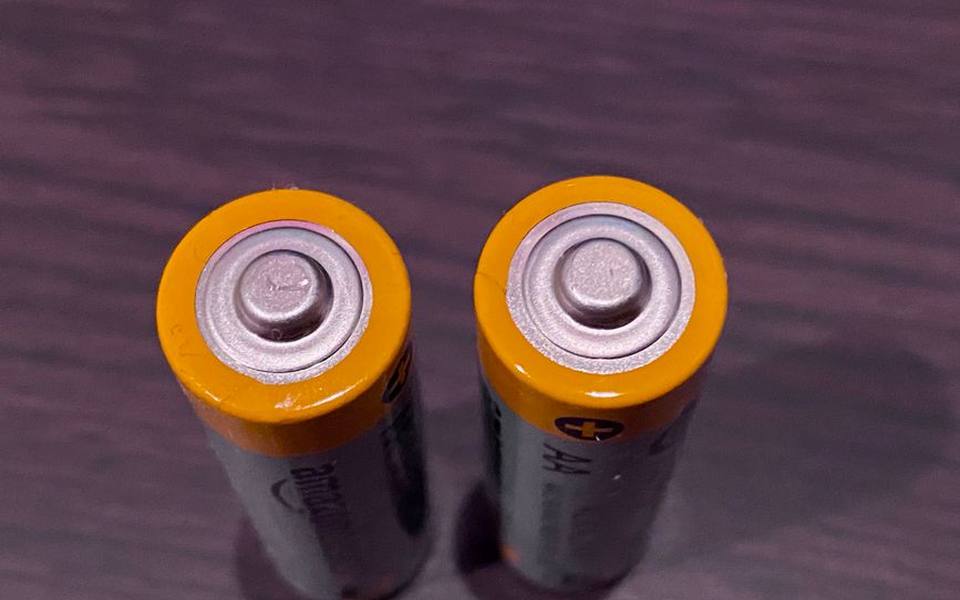
In addition to visual bloat, modern balance chargers can measure internal resistance across each cell in milliohms. While new cells typically read in the single-digit range, a failing cell will show an internal resistance spike significantly higher than its siblings. When one cell's resistance climbs sharply, it generates excess heat during firing strings and struggles to accept a balanced charge. Once a pack displays persistent resistance divergence or physical swelling, it must be permanently retired.
Never dispose of a lithium pack in standard municipal trash bins, where compaction equipment could crush the cell and start a vehicle fire. To dispose of a pack safely, discharge it fully down to zero volts using a dedicated low-current bulb or your charger's destruction mode, insulate the wire leads with electrical tape, and take it to an authorized electronics recycling drop-off. Proper disposal protects sanitation workers and prevents hazardous chemical leaks into local groundwater.
Best Practices for Maximizing Pack Lifespan and Safety
Adopting a systematic approach to pack maintenance guarantees that your gear remains reliable match after match while keeping you safe. Always maintain a detailed log or label on your packs indicating their purchase date and cycle history. Retiring older packs on a proactive schedule—typically after two seasons of heavy competitive use or approximately one hundred to two hundred charge cycles—prevents unpredictable voltage drops when you need peak performance most.
Avoid running your batteries down until your equipment shuts off completely. Set electronic loaders and markers to alert you well before the pack hits low voltage, or swap packs at scheduled intervals during game breaks. Shallow discharge cycles accompanied by routine balance charging preserve the microscopic structure of the lithium cobalt oxide layers far better than deep, draining runs that pull cells down to their lower operational limits.
Finally, always invest in quality gear accessories, including clean connectors, properly gauged wiring, and certified charging hardware. By treating these high-energy power packs with the mechanical and electrical respect they require, you ensure your equipment runs smoothly, safely, and at peak efficiency across every season of competitive play.
Published 2026-09-21 · reviewed with each rebuild, last October 2026.
Find paintball fields & fun centers near you
The directory lists 36,923 paintball fields & fun centers by state and city — pick your state or use the “Near me” button in the header.
More guides
-
 Service
Where and How to Refill Paintball CO2 and HPA Tanks
-
 Buying
A Guide to Purchasing Your Own Paintball Equipment
-
 Safety
Paintball vs Airsoft: Evaluating Impact, Costs, and Removing Stubborn Stains
-
 Money
MoneyHow Much Does Paintball Cost? Field Fees, Rental Packages, and Ammo Math
-
 Safety
Does Paintball Hurt? Safety, Bruises, Clothing, and Stains
-
 Buying
Where to Sell Used Paintball Guns Safely and Clean Up Gear
-
 Safety
Beginner's Guide to Paintball: Understanding Game Formats and Rules
-
 Money
MoneyPaintball Cost Guide: Equipment, Field Fees, and Play Prices
-
 Owning
How to Remove Paint and Acrylic Stains from Clothing and Fabrics
-
 Buying
Tactical and Military Boots: Brands, Comfort, and Field Selection
-
 Service
Corporate Team Building and Outdoor Adventure Events: The Complete Organizer's Guide
-
 Buying
Laser Tag Arenas, Equipment, and Home Party Rentals Guide
-
 Service
Indoor and Outdoor Paintball Fields: Venue Selection, Booking, and Rules
-
 Buying
Complete Paintball Equipment Guide: Markers, Air Tanks, Jerseys, and Field Attire
-
 Safety
Whitewater Rafting and River Adventure Parks: Destinations, Trips, and Safety Guide
-
 Safety
Airsoft Fields and Arenas Guide: Indoor vs Outdoor Venues, Rules, and Rentals
-
 Buying
Laser Tag Centers, Home Equipment, and Event Planning Complete Guide
-
 Service
Paintball Fields, Scenario Games, Night Ops, and Arena Booking Guide
-
 Safety
Ziplining and Aerial Trekking Parks: Top Courses, Safety Standards, and Booking
-
 Buying
Tactical Combat Boots Buying Guide: Military Specs, Fit, and Durability
-
 Owning
Paintball Marker Maintenance, Air Systems, and Tank Safety Guide
-
 Safety
What to Wear for Paintball: Clothing, Protective Gear, and Cleaning Paint Stains
-
 Owning
Airsoft Gear and Milsim Accessories: Speedloaders, Tracers, and Camouflage
-
 Safety
Paintball Age Limits, Tactics, and Corporate Event Planning
-
 Safety
Complete Guide to LiPo and RC Battery Chargers: Safety, Storage, and Voltage Care
-
 Owning
Paintball Video Games, Consoles, and Digital Arenas: An Off-Field Player Guide
-
 Service
CO2 Tank Refills and Compressed Air Systems: Options, Locations, and Safety Rules
-
 Owning
Archery Games Guide: Online Simulators to Adult Field Events
-
 Buying
Complete Airsoft Guns and Equipment Guide: Reviews, Rentals, and Legal Safety
-
 Owning
Paintball Gear & Maintenance Guide: Custom Apparel, Tank Fills, and Stain Removal
-
 Service
Ultimate Guide to Indoor Soccer Zones: Leagues, Facilities, and Play Options