Why Outdoor Challenges Break Office Silos Faster Than Seminars
Taking a working team out of the conference room and placing them in an open landscape alters workplace relationships in ways a presentation simply cannot match. When colleagues face physical terrain, tactical scenarios, or unfamiliar outdoor obstacles together, habitual office hierarchies tend to dissolve. A junior developer and a senior department head often find themselves working through the exact same challenge on equal footing, communicating in direct, practical terms rather than deferring to corporate titles.
Effective team building activities for business groups focus on shared outcomes under light, managed pressure. Traditional classroom icebreakers frequently generate polite compliance, but an outdoor setting demands real-time observation, immediate feedback, and collective problem-solving. Whether the objective is navigating an unfamiliar trail network, coordinating field cover during a tactical match, or solving an environmental puzzle, participants must listen to one another and distribute responsibilities based on immediate competence rather than rank.
Organizing successful team building activities corporate planners can rely on requires choosing an experience that creates genuine engagement without causing unnecessary stress. The goal is never to exhaust staff members or place them in intimidating situations, but rather to construct an environment where mutual reliance feels natural. When coworkers cheer each other across an obstacle or collaborate on strategic positioning, the trust developed on the field carries directly back to daily project management.
Assessing Your Roster Before Going Adventure Bound
Before booking any out door adventure, an organizer needs a clear and honest picture of the group's physical capabilities, health considerations, and comfort levels. An outing that exhilarates one person might overwhelm another, so planning an outing that leaves coworkers feeling isolated works against the entire premise. Surveying the team in advance about mobility constraints, allergies, heat tolerance, and general preferences ensures nobody feels sidelined on the day of the event.

When preparing an adventure bound team, flexibility in participation should be established from the opening announcement. Every high-energy outdoor format should include meaningful supporting roles that do not require intense physical exertion. In field games and navigational exercises, roles such as spotters, strategists, equipment managers, and field judges allow individuals who prefer lower-impact participation to remain vital to their squad's overall success.
Hydration, sun exposure, and foot wear require explicit guidance weeks prior to departure. Many workplace incidents during corporate outings stem from inadequate footwear, lack of water intake, or improper clothing rather than the activity itself. Clear packing lists that emphasize durable sneakers or hiking boots, moisture-wicking layers, and protective eyewear help participants arrive prepared, comfortable, and focused on the day ahead.
Choosing Between an Outdoor Adventure Park and a Nature Park
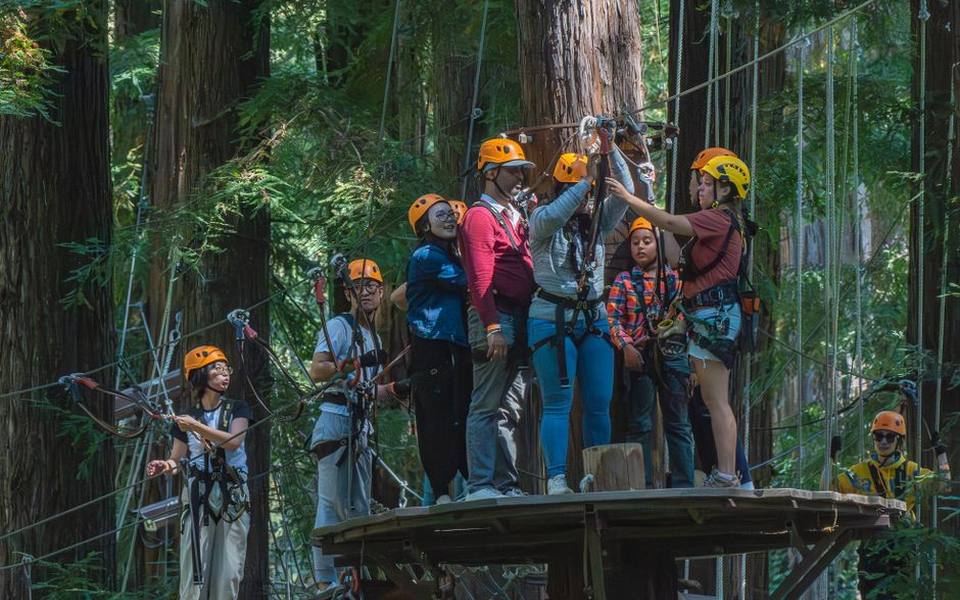
Venue selection hinges on whether your organization desires a curated, highly structured challenge or a more open, self-directed wilderness experience. A commercial outdoor adventure park typically features engineered elements like high-ropes courses, zip-line networks, climbing towers, and dedicated staging pavilions. These facilities offer predictable flow, dedicated safety harnesses, certified belay instructors, and turnkey support, making them an approachable choice for teams that rarely spend time off pavement.
A nature adventure park, by comparison, emphasizes raw topography, wooded acreage, and natural obstacle courses that blend into the surrounding forest. These sites often provide greater seclusion and more expansive acreage, allowing larger companies to run parallel tracks of activities without bumping into the public. Teams can rotate between orienteering, trail problem-solving, and low-impact field strategy games while surrounded by native flora and quiet canopy.
When exploring regional options, organizers should evaluate how the terrain impacts movement for larger groups. Across the nationwide directory at PaintballAtlas, which indexes 653 listings in top states, venues range from tightly controlled commercial complexes to sprawling multi-acre woodland facilities. Selecting a location with defined resting areas, potable water stations, and shaded zones ensures the team maintains energy throughout a multi-hour itinerary.
Riverfront and Forest Venues for Scenic Group Expeditions
River corridors and heavily forested valleys offer some of the most memorable backdrops for great outdoor adventures. Facilities situated near water, such as those modeled after traditional riverfront operations like Sandy River outdoor adventures, combine flat-water paddling, shore-based problem solving, and scenic trail networks. Water-based elements naturally slow down the pace of an event, encouraging long conversations and relaxed observation that balance out more strenuous physical challenges.
Logistically, incorporating a riverfront element requires additional safety layers that organizers must account for well ahead of time. In most states, commercial outfits provide personal flotation devices and conduct mandatory water briefings before anyone approaches a launch dock. If your team includes weak swimmers or individuals nervous around moving water, pairing shoreline puzzle stations with optional kayak excursions maintains inclusion while delivering the scenic benefits of the valley.
Forested acreage also provides natural acoustic dampening and shade, keeping summer temperatures noticeably cooler than open turf fields. Teams can tackle complex navigation drills or scenario-based field games beneath dense tree cover, minimizing direct sun fatigue. Spending hours surrounded by mature timber and moving water creates a restorative effect that office workers often mention long after standard meeting dinners are forgotten.
Tactical Field Games: Paintball and Scenario-Based Play
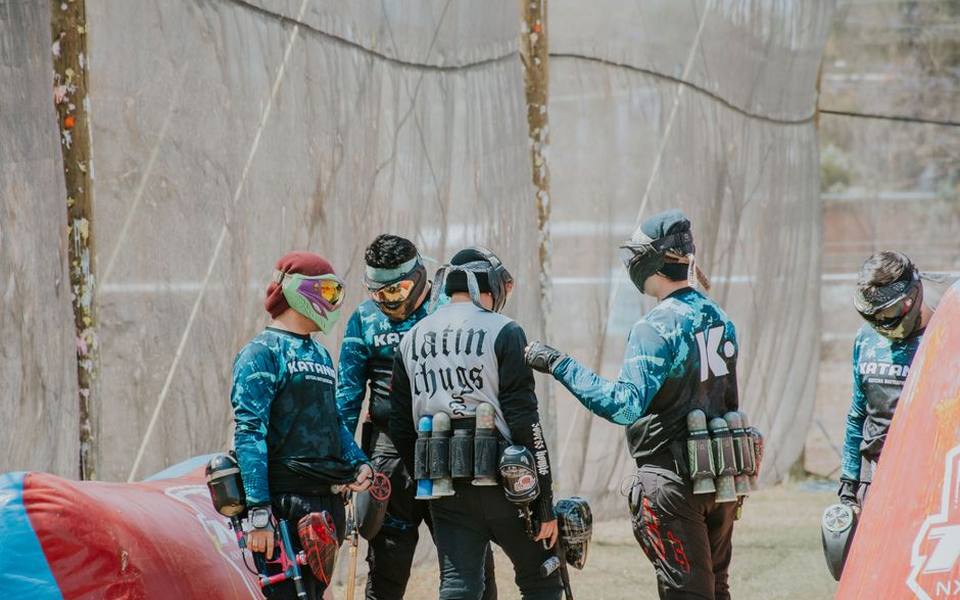
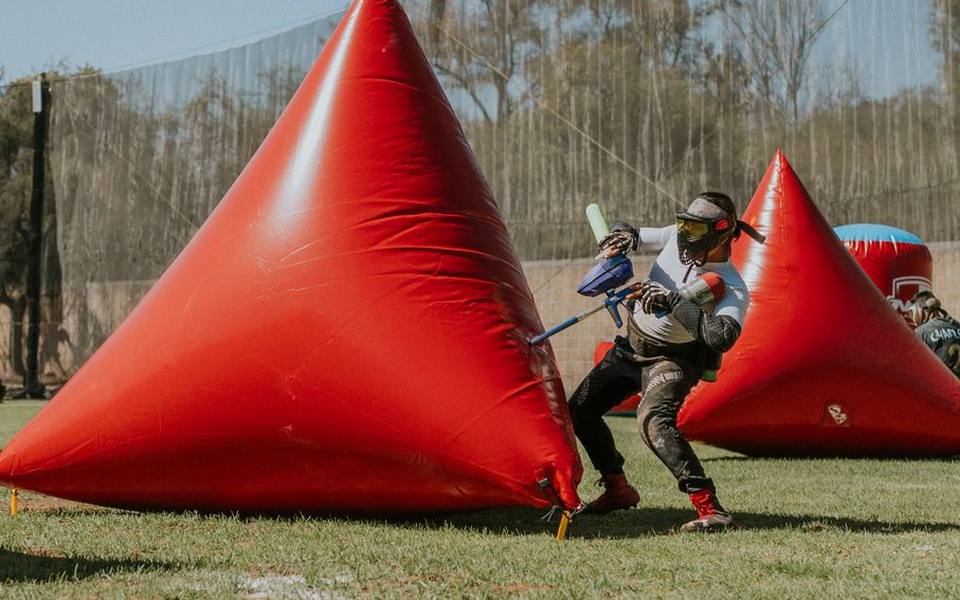
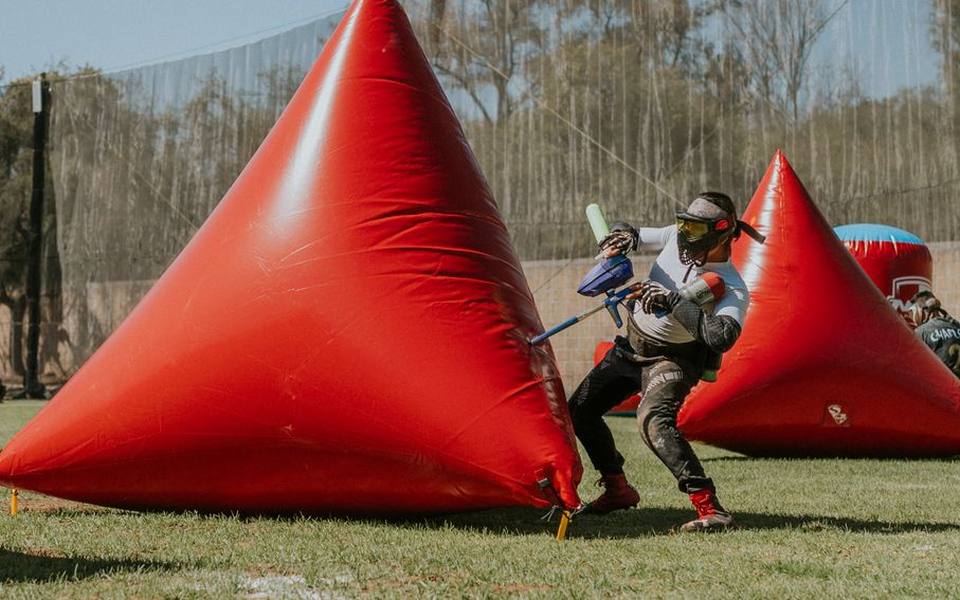
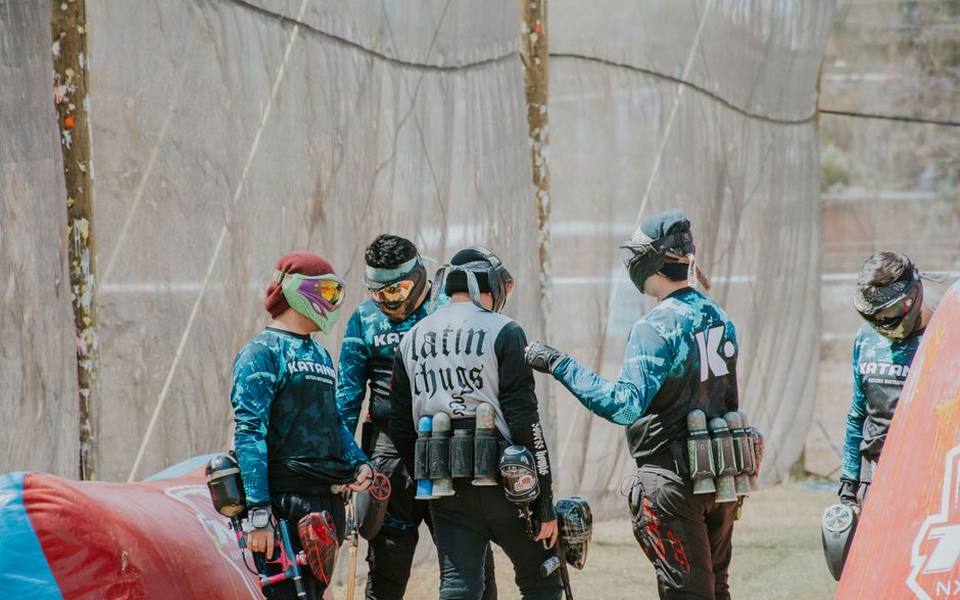
For teams seeking dynamic communication exercises, organized field games remain one of the most effective options available. Team building activities company groups book at tactical fields place coworkers into coordinated scenarios where verbal callouts, resource sharing, and cross-field coverage dictate the outcome. Participants quickly learn that lone efforts rarely succeed; squads that communicate clearly and advance methodically consistently outperform disorganized groups, regardless of individual athletic ability.
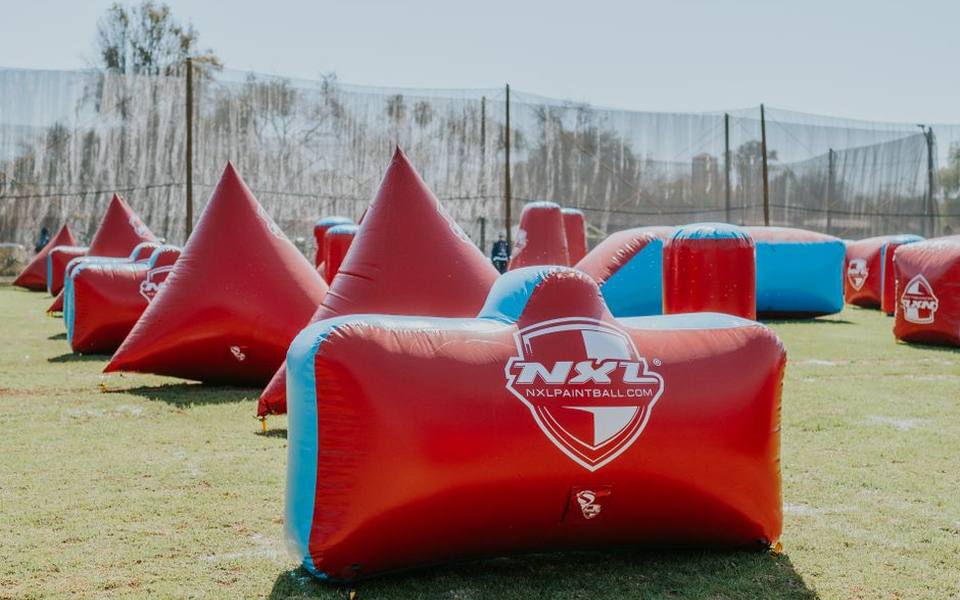
Organizers evaluating tactical fields can review dedicated party packages that include private field reservations, complete protective equipment, and dedicated referees who tailor game rules to corporate groups. For companies located in active regions, reviewing dedicated directories such as Paintball Fields in Texas or Paintball Fields in California reveals venues that specialize in corporate hospitality alongside standard weekend play.
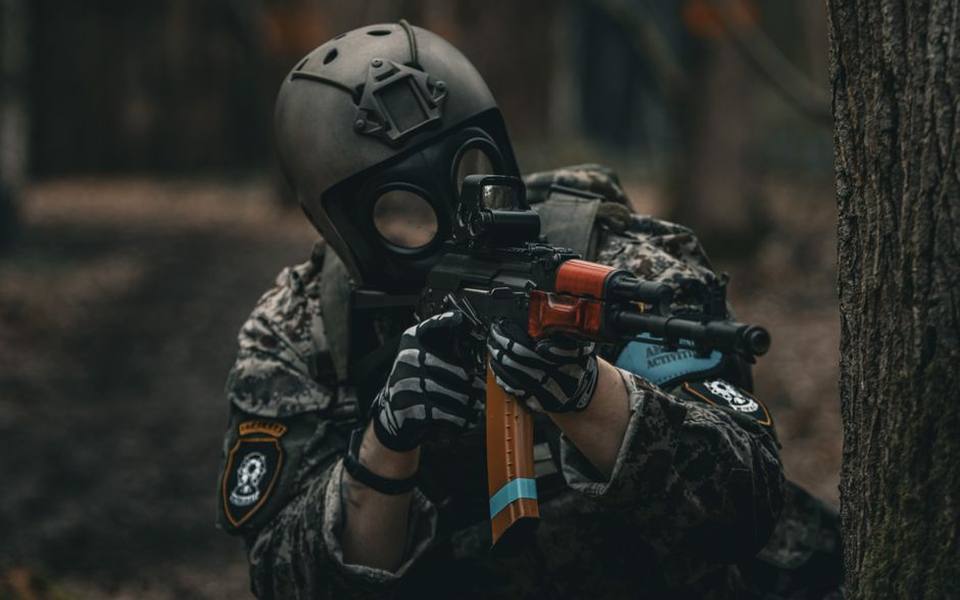
In addition to standard markers, many contemporary facilities provide alternative low-impact formats that operate with reduced projectile velocity and smaller calibers, substantially lowering the sting of impact. Furthermore, several venues maintain airsoft games on-site, providing an alternative tactical format that emphasizes realism, lightweight equipment, and precision over high-volume paint coverage. Offering these lower-impact options encourages broader participation from staff members who might otherwise hesitate to join a tactical outing.
Inclement Weather Protocols and Indoor Venue Backups
Even the most thoroughly planned outdoor outing can run into severe weather, heavy rain, or extreme heat. Corporate organizers cannot afford to cancel an event that required weeks of executive scheduling and travel arrangements without an immediate secondary plan. When vetting outdoor facilities, always confirm whether the property features covered pavilions, indoor meeting rooms, or rapid rain-check policies that protect your deposit.
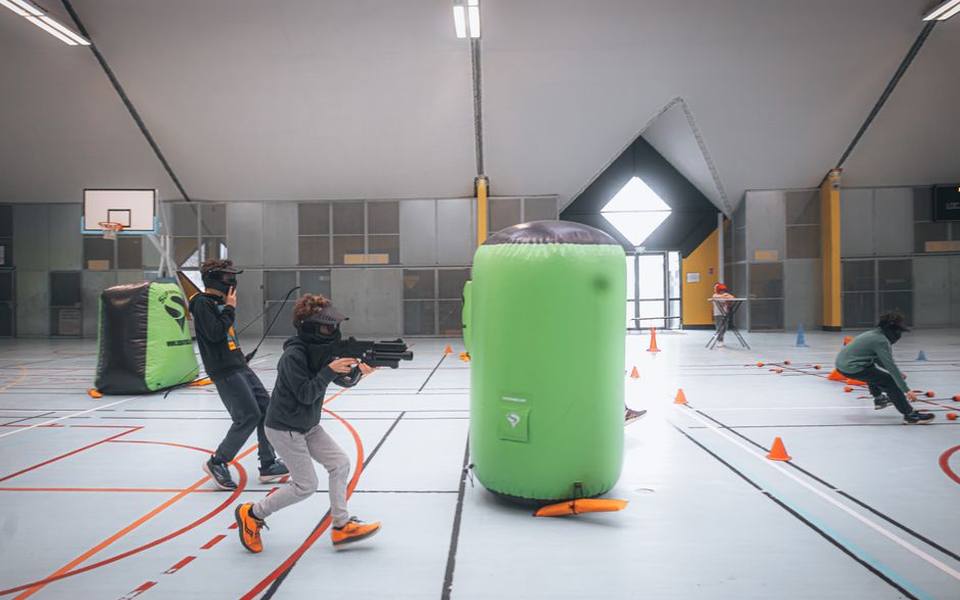
If regional forecasts frequently threaten outdoor logistics, booking an indoor field eliminates weather anxiety altogether. Indoor arenas feature climate-controlled temperatures, artificial turf surfaces, and standardized lighting that ensure the schedule proceeds regardless of torrential downpours or freezing winds. These facilities allow organizers to lock in precise timelines without monitoring radar updates in the days leading up to the outing.
Indoor challenge environments also simplify catering, presentation setups, and technical gear management. Audio systems, projection screens, and catered lunch spreads stay protected from wind and dust, allowing leadership to pair physical activities with morning strategy briefings or afternoon awards ceremonies under a single roof.
Integrating Virtual Options for Remote and Hybrid Colleagues
Modern workplaces frequently operate with distributed teams, making it difficult for every remote employee to travel to a single regional field. Team building activities virtual coordinators organize can serve as an effective bridge, either as a standalone digital event or as an integrated component of an off-site day. Remote colleagues can act as digital intelligence officers, decoding clues, managing digital resource maps, and communicating via radio or chat apps with ground teams moving through an outdoor park.
Digital mystery-solving, live video puzzle coordination, and remote mission control setups give off-site workers genuine agency during the event. Rather than simply watching a passive live stream of their in-person peers running a field course, virtual participants hold essential keys or coordinates that the field teams require to complete their stations. This hybrid arrangement validates the contributions of remote staff and reinforces the reality of modern collaborative work.
When designing a hybrid outing, test digital connectivity across the outdoor venue well before event day. Cellular coverage in deep wooded parks or river valleys can be spotty, which quickly frustrates remote participants if video feeds drop. If connectivity cannot be guaranteed in the field, scheduling a structured virtual challenge session before or after the outdoor date ensures remote staff receive equal investment and engagement.
Managing Budgeting, Venue Deposits, and Corporate Logistics
Budgeting for corporate team building events requires looking beyond the headline per-person entry fee. A realistic cost framework includes private referee fees, safety equipment upgrades, apparel protection, shade tent rentals, dedicated hydration, and post-activity dining. Packages typically bundle basic gear and a set number of activity hours, but extras like private pavilion access, extended field time, or upgraded protective masks can alter final line items.
Transportation logistics also require close attention, especially when transporting a department to an outlying nature park. Providing chartered buses or organized ride-shares minimizes the risk of late arrivals disrupting scheduled briefing times. Furthermore, having shared transportation guarantees that all team members depart together, reinforcing social interaction during the drive home and ensuring that fatigued drivers do not have to manage highway traffic after an active afternoon.
Payment structures at major facilities usually involve an initial non-refundable deposit to secure field marshals and private field space, with final headcount balances due anywhere from three to ten days before arrival. Organizers should establish clear internal registration deadlines for coworkers to avoid paying for contracted spots that go unused due to last-minute cancellations.
Safety Briefings, Liability Waivers, and Field Risk Management
Physical safety forms the foundation of any successful company gathering, because nothing damages workplace morale faster than a preventable injury. Commercial outdoor venues require every participant to complete an electronic or paper liability waiver before stepping onto a course or field. Organizers should distribute these waivers at least one week in advance so that risk management and legal questions are resolved without creating bottlenecks at the venue check-in desk.

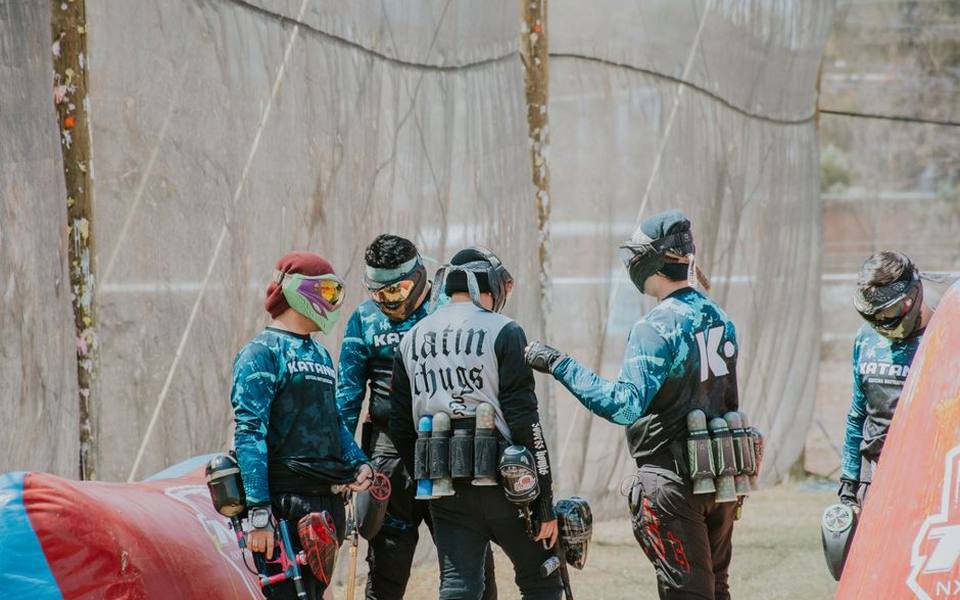
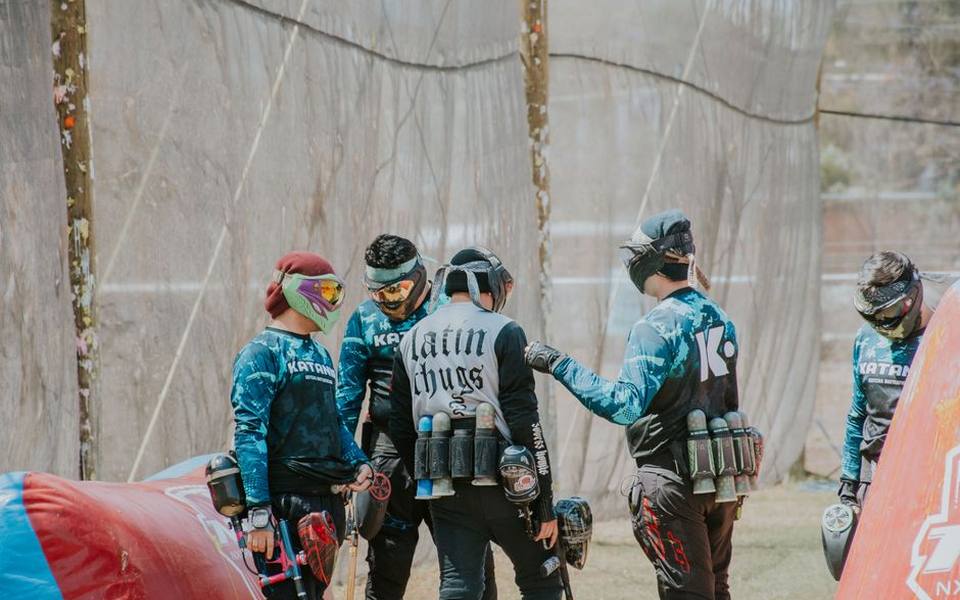
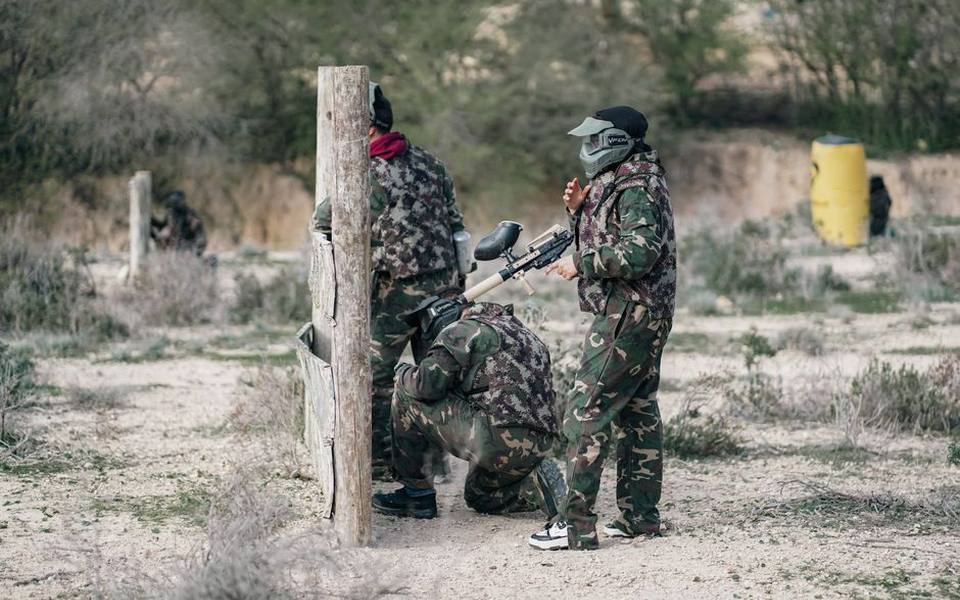
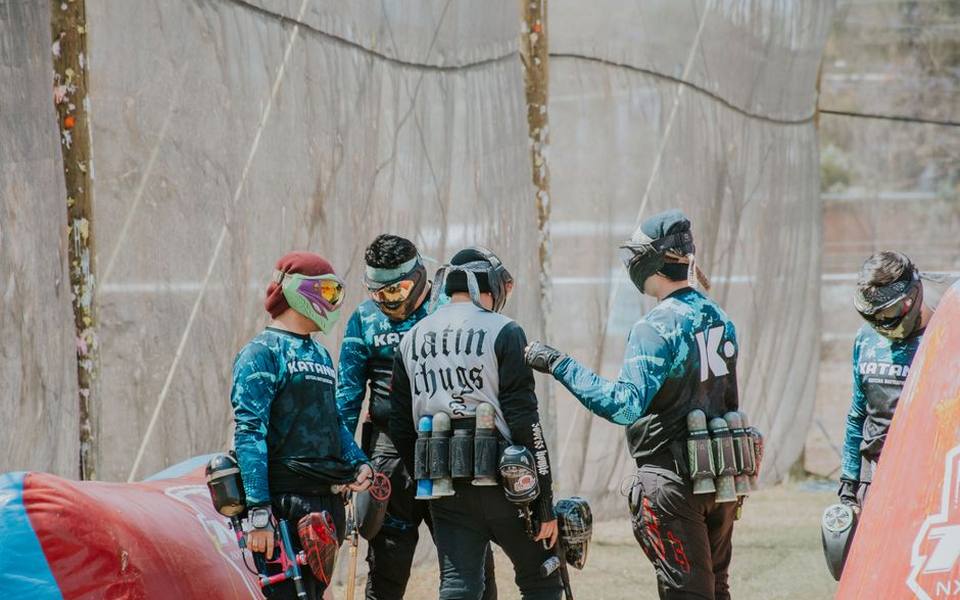
Once on-site, a thorough safety orientation led by certified staff must take precedence over jumping straight into the action. Participants must understand basic field etiquette, boundary markers, emergency whistles, and the proper use of protective equipment like full-seal goggles, harnesses, or life vests. Emphasizing that safety gear must remain secured at all times—especially in tactical zones where removing eye protection for even a second poses severe danger—protects everyone involved.
Having a basic on-site first aid plan is equally critical. While reputable venues maintain stocked first aid kits and staff trained in basic emergency response, organizers should know where the nearest medical facility is located and identify any participants carrying critical medications, such as epinephrine auto-injectors or asthma inhalers.
Structuring the Day: From Morning Arrival to Post-Game Debrief
The flow of the event day sets the tone for how participants absorb the experience. A standard full-day schedule typically opens with casual check-in and light refreshments, allowing coworkers to settle in and shed office stress. Following gear distribution and mandatory safety briefings, the initial challenges should focus on low-stakes, high-collaboration tasks to build momentum and allow team members to calibrate their physical pace.
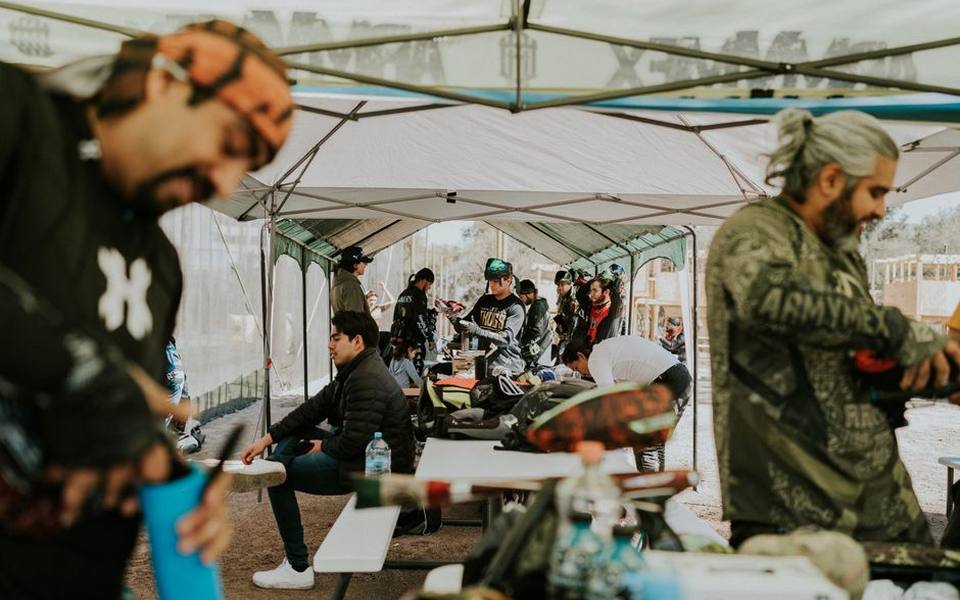
Mid-day breaks should be generous rather than rushed. Providing shaded seating, nutritious lunches, and plenty of cold water gives introverted employees time to recharge while encouraging spontaneous conversations about the morning's highlights. After lunch, the day can transition into more dynamic tactical matches, timed obstacle runs, or multi-team tournaments where the morning's communication lessons are put into practice.
Closing the day with a structured debrief solidifies the workplace connection. Rather than simply packing up and leaving, gathering the group for twenty minutes to celebrate funny moments, acknowledge unexpected leadership, and discuss how team communication evolved anchors the entire experience. This intentional wrap-up transforms an enjoyable afternoon outdoors into a lasting reference point for future workplace collaboration.
Published 2026-09-21 · reviewed with each rebuild, last October 2026.
Find paintball fields & fun centers near you
The directory lists 36,923 paintball fields & fun centers by state and city — pick your state or use the “Near me” button in the header.
More guides
-
 Service
Where and How to Refill Paintball CO2 and HPA Tanks
-
 Buying
A Guide to Purchasing Your Own Paintball Equipment
-
 Safety
Paintball vs Airsoft: Evaluating Impact, Costs, and Removing Stubborn Stains
-
 Money
MoneyHow Much Does Paintball Cost? Field Fees, Rental Packages, and Ammo Math
-
 Safety
Does Paintball Hurt? Safety, Bruises, Clothing, and Stains
-
 Buying
Where to Sell Used Paintball Guns Safely and Clean Up Gear
-
 Safety
Beginner's Guide to Paintball: Understanding Game Formats and Rules
-
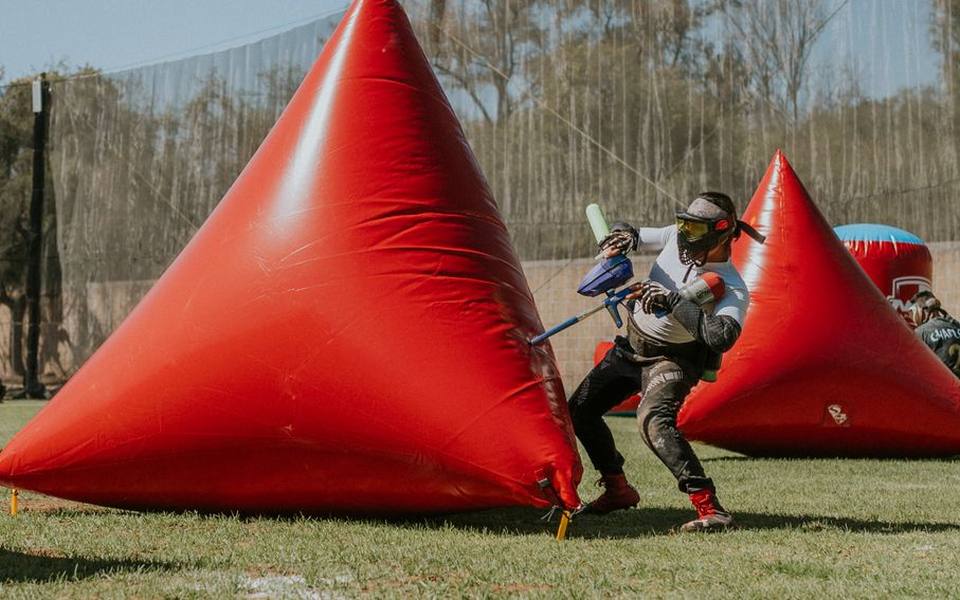 Money
MoneyPaintball Cost Guide: Equipment, Field Fees, and Play Prices
-
 Owning
How to Remove Paint and Acrylic Stains from Clothing and Fabrics
-
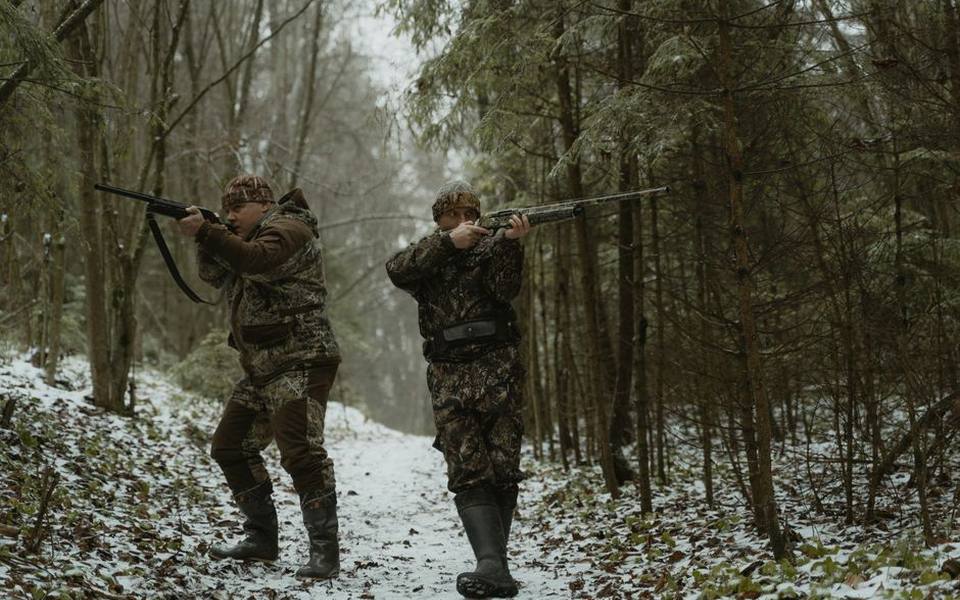 Buying
Tactical and Military Boots: Brands, Comfort, and Field Selection
-
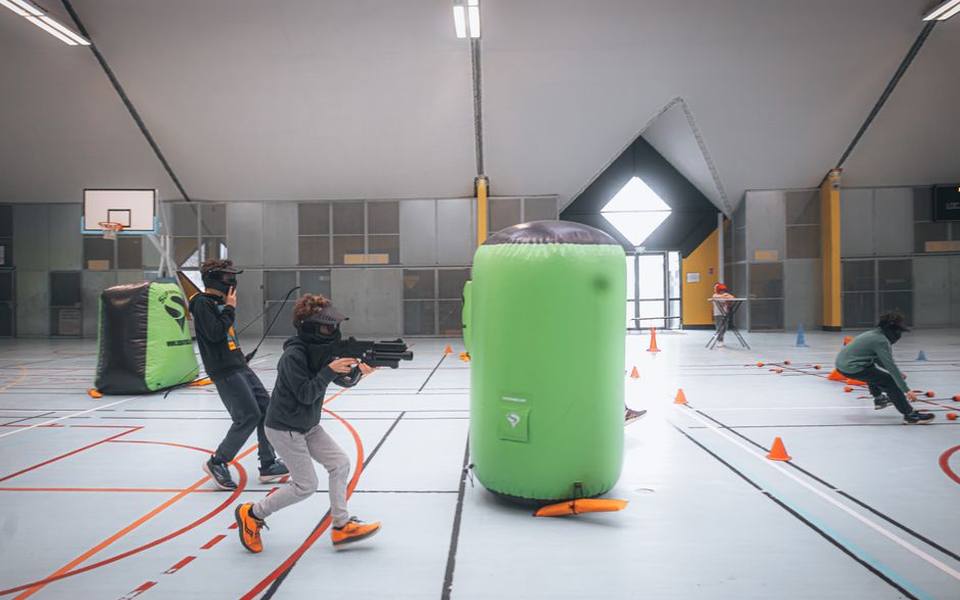 Buying
Laser Tag Arenas, Equipment, and Home Party Rentals Guide
-
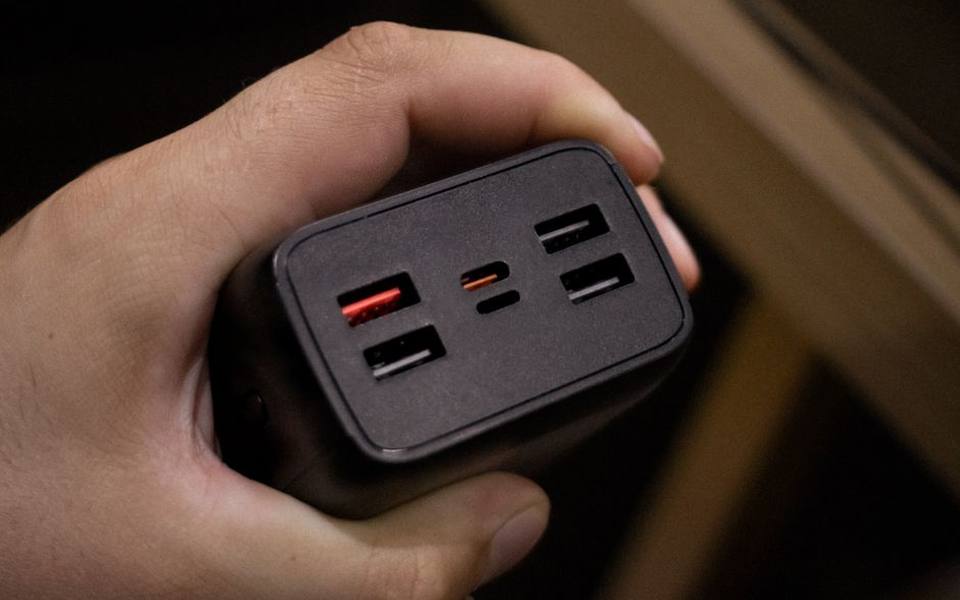 Safety
LiPo Battery Maintenance, Safe Charging, and Balance Chargers for Gear
-
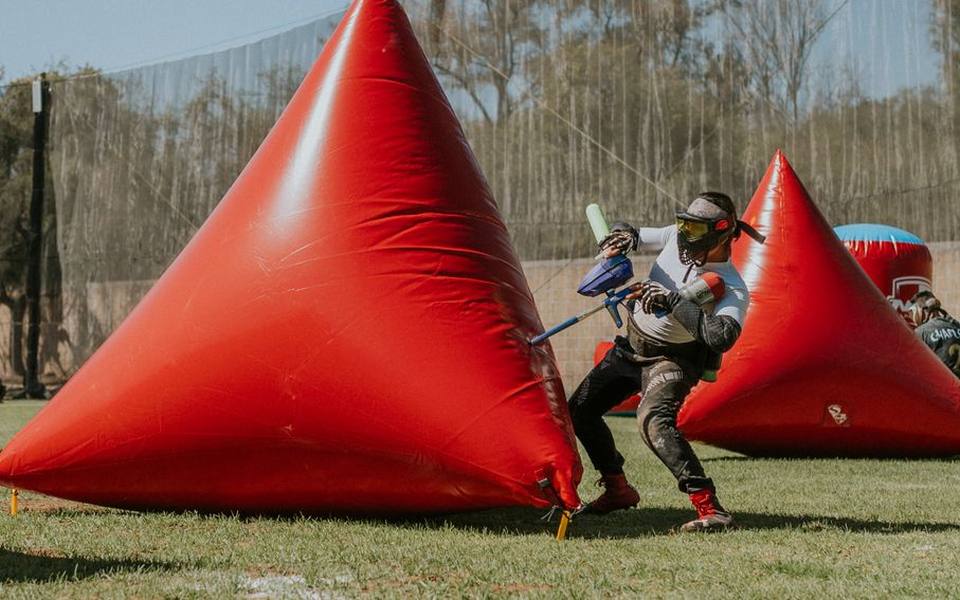 Service
Indoor and Outdoor Paintball Fields: Venue Selection, Booking, and Rules
-
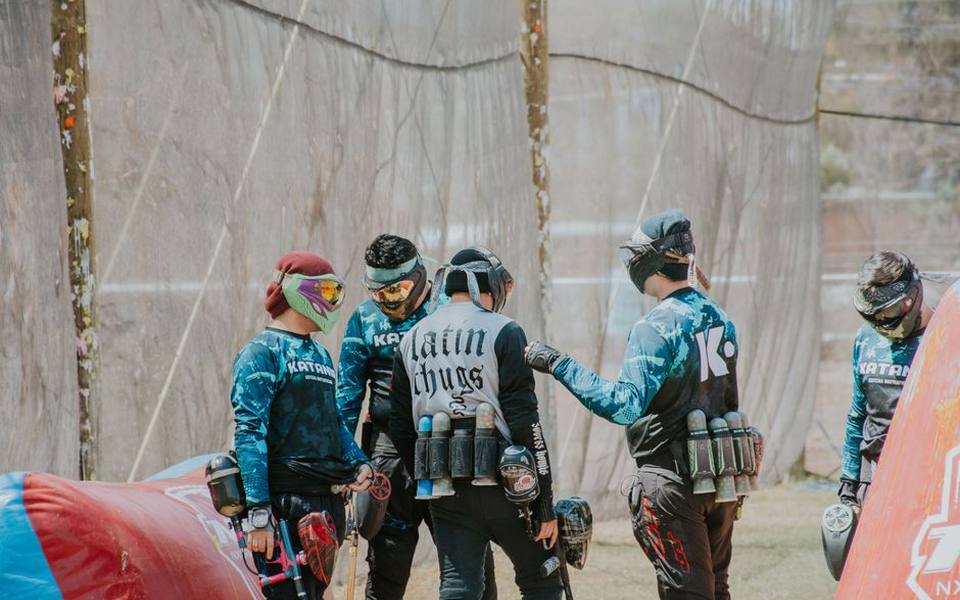 Buying
Complete Paintball Equipment Guide: Markers, Air Tanks, Jerseys, and Field Attire
-
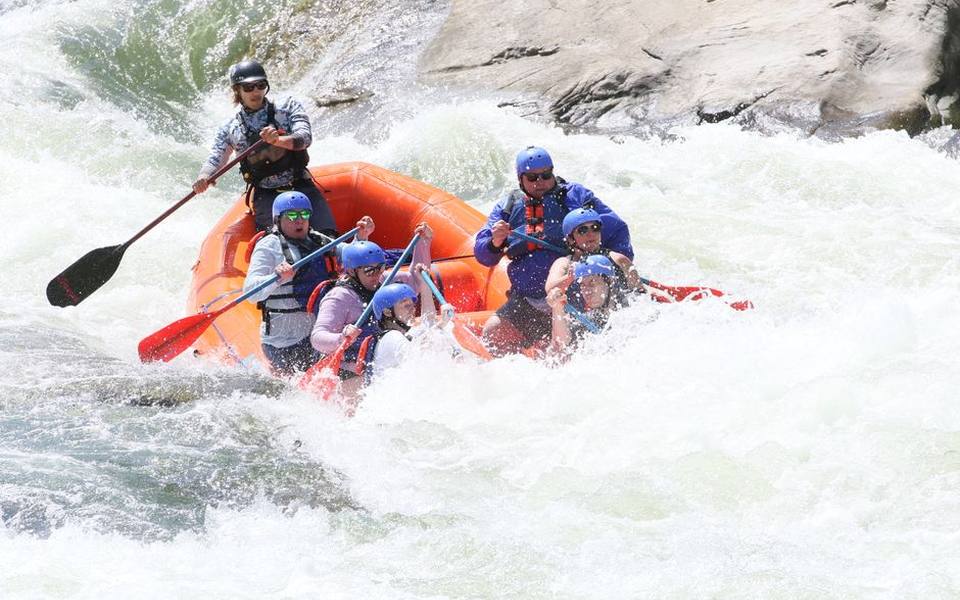 Safety
Whitewater Rafting and River Adventure Parks: Destinations, Trips, and Safety Guide
-
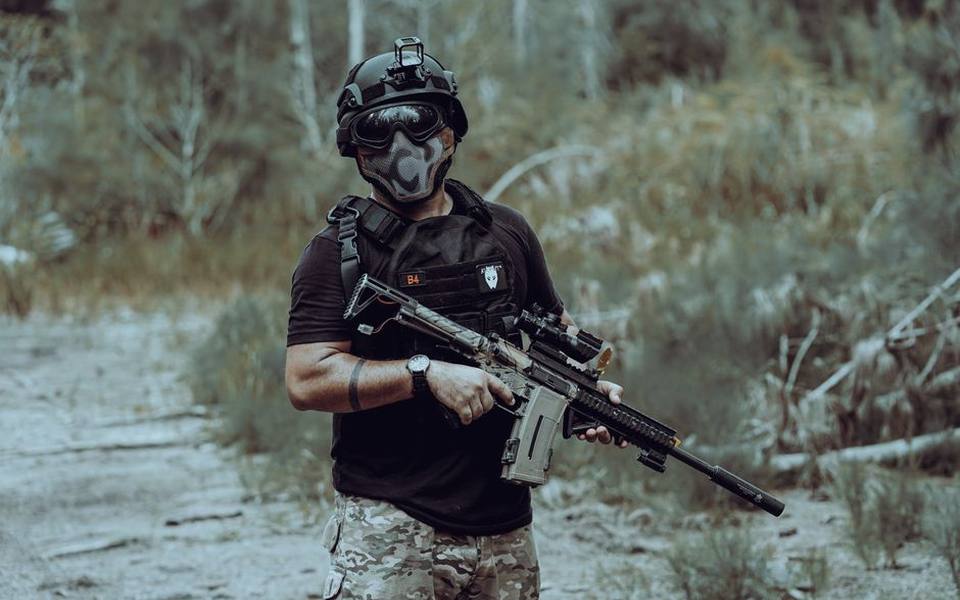 Safety
Airsoft Fields and Arenas Guide: Indoor vs Outdoor Venues, Rules, and Rentals
-
 Buying
Laser Tag Centers, Home Equipment, and Event Planning Complete Guide
-
 Service
Paintball Fields, Scenario Games, Night Ops, and Arena Booking Guide
-
 Safety
Ziplining and Aerial Trekking Parks: Top Courses, Safety Standards, and Booking
-
 Buying
Tactical Combat Boots Buying Guide: Military Specs, Fit, and Durability
-
 Owning
Paintball Marker Maintenance, Air Systems, and Tank Safety Guide
-
 Safety
What to Wear for Paintball: Clothing, Protective Gear, and Cleaning Paint Stains
-
 Owning
Airsoft Gear and Milsim Accessories: Speedloaders, Tracers, and Camouflage
-
 Safety
Paintball Age Limits, Tactics, and Corporate Event Planning
-
 Safety
Complete Guide to LiPo and RC Battery Chargers: Safety, Storage, and Voltage Care
-
 Owning
Paintball Video Games, Consoles, and Digital Arenas: An Off-Field Player Guide
-
 Service
CO2 Tank Refills and Compressed Air Systems: Options, Locations, and Safety Rules
-
 Owning
Archery Games Guide: Online Simulators to Adult Field Events
-
 Buying
Complete Airsoft Guns and Equipment Guide: Reviews, Rentals, and Legal Safety
-
 Owning
Paintball Gear & Maintenance Guide: Custom Apparel, Tank Fills, and Stain Removal
-
 Service
Ultimate Guide to Indoor Soccer Zones: Leagues, Facilities, and Play Options