Understanding River Classifications and Trip Dynamics
Whitewater rivers are categorized worldwide under the International Scale of River Difficulty, ranging from Class I up to Class VI. Class I represents gentle, slow-moving water with small ripples where navigation requires minimal effort. As you step up to Class II and III, rivers develop clear channels, medium waves, and predictable maneuvers around boulders. These intermediate rapids serve as the traditional sweet spot for beginners, young families, and mixed-experience groups looking for active participation without intense hazard.
Class IV and Class V stretches introduce turbulent hydraulics, steep drops, tight technical turns, and constrictions that require precise team paddling under direct guide commands. A swim in Class IV or V rapids carries elevated risks of injury or prolonged immersion, making physical fitness, swimming competence, and mental composure essential requirements. Class VI is considered unrunnable under commercial circumstances, representing extreme risk where rescue is nearly impossible.
Commercial outfitters adjust trip offerings around seasonal river volumes. Spring runoff typically brings swollen channels, faster currents, and colder water, which can elevate an ordinary Class III section into a fast, punishing Class IV experience. By late summer, lower water levels often create more technical, rocky runs where precise maneuvering replaces raw hydraulic power. Choosing the right trip means assessing the specific water conditions on the week of your departure rather than relying solely on generic summertime descriptions.
Exploring the Poconos and Mid-Atlantic River Corridors
Pocono mountain white water rafting on waterways like the Lehigh River offers one of the most accessible introductions to paddle sports in the eastern United States. Carving through steep forested state park gorges, these sections primarily deliver Class II to Class III rapids that cater well to youth groups, corporate retreats, and first-time rafters. The experience combines steady paddling with quiet pool-and-drop sections where swimmers can briefly float alongside the boat during calm stretches.
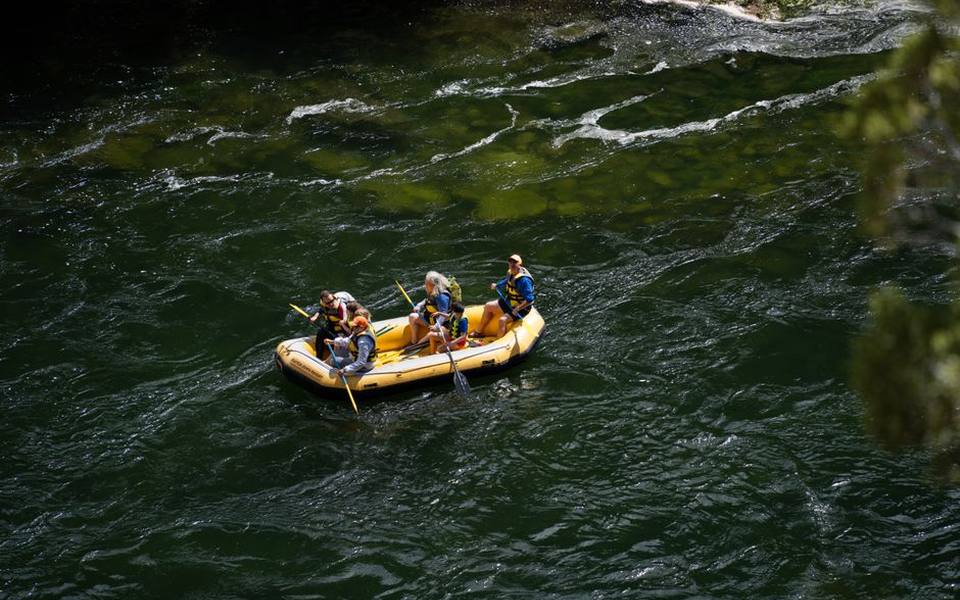
A critical factor in planning trips along Mid-Atlantic waterways is monitoring regional dam release schedules. The Lehigh River relies heavily on scheduled reservoir releases controlled by the Army Corps of Engineers, which dramatically improve water levels on designated summer weekends. Paddling on a non-release weekday during late July often results in scraping shallow rocky beds, while a scheduled release weekend creates continuous waves, fun hydraulics, and a lively river tempo.
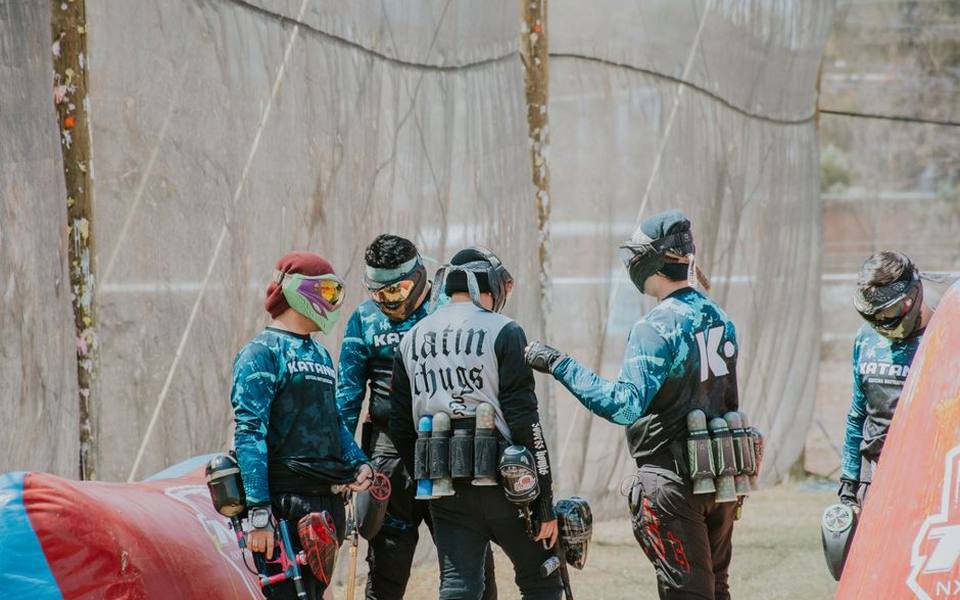
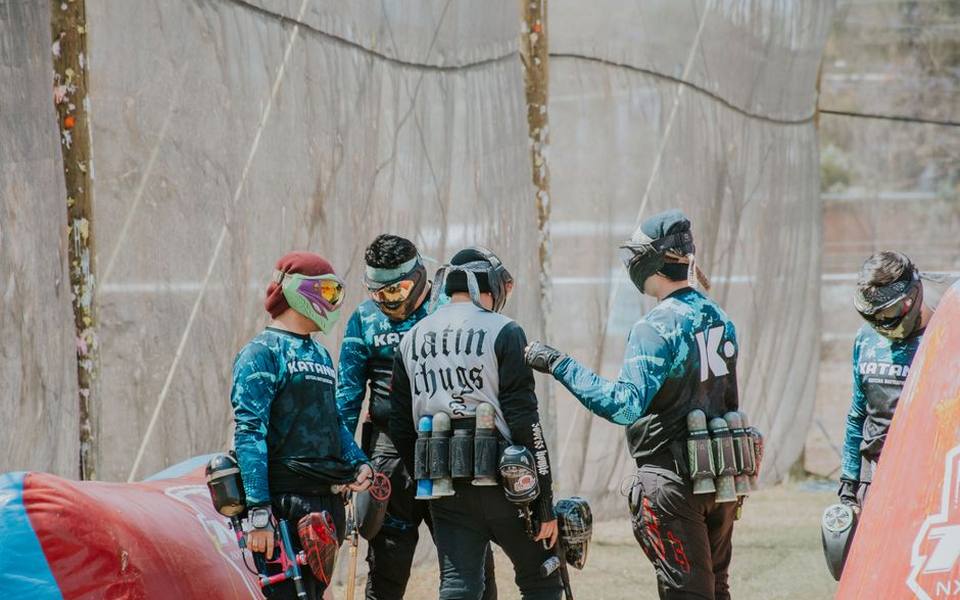
Travelers heading to this region often build complete weekend itineraries around outdoor sports. After tackling the morning river descent, many visitors transition to local recreational hubs, bike trails, or regional venues like Pennsylvania paintball fields to build an active, multi-sport weekend. Combining river navigation with land-based team tactical games has become a standard formula for organized group gatherings seeking varied physical challenges.
Tackling Southern Appalachian Whitewater in the Smokies
White water river rafting in the Smoky Mountains centered along the Pigeon and Nantahala rivers delivers dependable flow backed by hydroelectric utility releases. The Upper Pigeon offers continuous Class III and IV excitement across a concise five-mile stretch, featuring iconic rapid sequences that demand steady cadence from every paddler in the boat. For visitors seeking scenic floats with modest splashes, the Lower Pigeon provides mild Class I and II water suitable for younger children.
Rafting in the Great Smoky Mountains places participants in ancient riverbeds surrounded by dense deciduous canopy and rhododendron-lined banks. Water temperatures on the Nantahala stay chilly throughout midsummer because reservoir intake points pull water from the bottom of Fontana Lake, typically hovering near fifty degrees Fahrenheit. Outfitting your party with splash jackets or neoprene layers helps prevent rapid fatigue and keeps energy levels steady even during hot July afternoons.
The broader ecosystem of Great Smoky Mountain outdoors recreation extends far beyond paddling channels. Towns like Hartford, Gatlinburg, and Bryson City support extensive operations where river trips seamlessly integrate with zip line canopy courses, trail hiking, and tactical games. Travelers seeking outdoor variety across the state line frequently map out additional outings at nearby North Carolina paintball fields to balance aquatic navigation with woodland team scenarios.
Big Water Drops in the New River and Gauley Gorges
The rugged canyons of West Virginia harbor some of the most storied big-volume rapids on the continent. Operations focused on white water rafting adventures on the gorge center around the New River Gorge and the Gauley River. The Lower New River cuts through towering sandstone bluffs, generating massive roller-coaster wave trains and punchy holes across deep pools that allow for reliable guide-assisted recoveries should anyone take an unexpected dip.
World-class hubs like ACE adventure white water rafting outposts and surrounding canyon outfitters have shaped these river corridors into complete outdoor adventure destinations. Rather than simply unloading a raft at a public boat ramp, guests enter structured base camps featuring cabin rentals, dining facilities, gear shops, and shuttle fleets. These well-developed staging areas reduce logistics friction for travelers arriving without specialized whitewater equipment.
Timing plays an enormous role when visiting West Virginia river corridors. September and October usher in the world-famous Gauley Season, when scheduled releases from Summersville Dam unleash massive hydraulic energy through the Upper Gauley. Featuring steep technical drops like Pillow Rock and Sweet's Falls, this fall run represents an aggressive Class V challenge reserved for experienced paddlers possessing strong swimming capability and cold-water resilience.
Rocky Mountain Whitewater and High-Elevation Canyons
Mountain white water rafting throughout the Colorado Rockies brings unique considerations driven by high elevation, steep gradient drops, and snowpack dynamics. Outfits providing Rocky Mountain adventures white water rafting operate along high-energy corridors including Clear Creek, the Arkansas River through Browns Canyon, and the Cache la Poudre. These rocky, narrow alpine channels produce fast-moving, reactive rapids where river craft bounce through boulder fields under heavy guide management.
Spring runoff typically peaks between late May and late June, depending on winter snowfall totals and sudden temperature spikes. During peak discharge, mountain rivers run exceptionally swift and frigid, converting standard family runs into intense physical tests. Operators running mad adventures white water rafting excursions along Clear Creek or the Upper Colorado routinely mandate wetsuits, river booties, and protective splash gear to safeguard guests against rapid heat loss.
High-altitude paddling also introduces physiological demands that lowland travelers might underestimate. At elevations exceeding seven thousand feet above sea level, oxygen levels are reduced, meaning continuous forward paddling through long boulder gardens can quickly deplete stamina. Hydration, proper sun protection from amplified alpine ultraviolet rays, and a reasonable baseline of cardiovascular fitness will significantly improve your comfort and stability inside the boat.
Glacial Torrents and Wilderness Rafting in Denali
Whitewater rafting in Denali National Park along the Nenana River introduces adventurers to subarctic glacial runoff where water temperatures sit barely above freezing year-round. Carving through the Alaska Range, the Nenana alternates between scenic braided valleys and the thunderous, Class IV rapids of the Nenana River Canyon. Silt-laden water gives the river a distinct opaque slate-gray color, hiding submerged rocks and shelf formations from casual view.
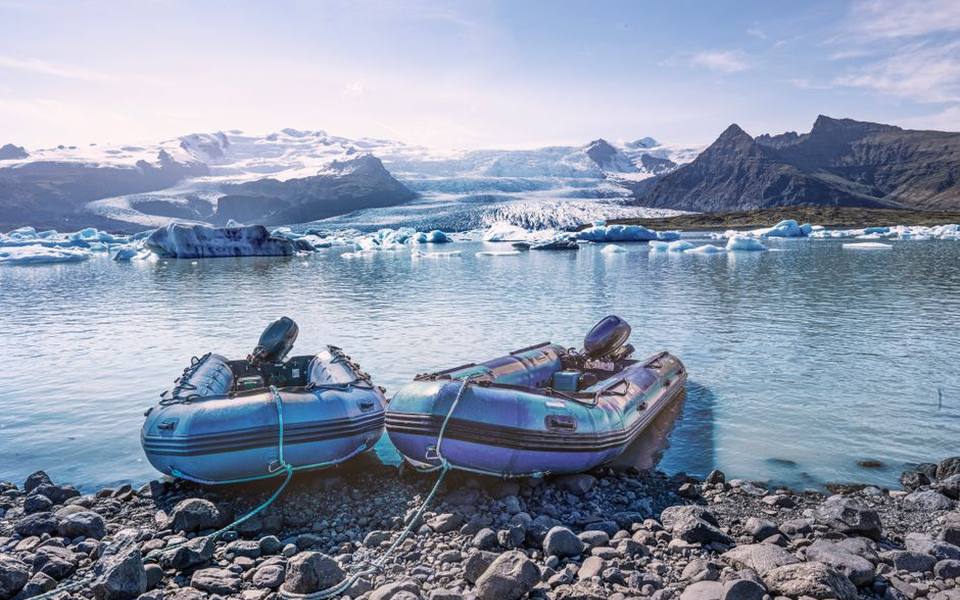
Because subarctic immersion carries immediate risk of cold-water shock and rapid hypothermia, safety standards in northern outposts differ significantly from lower-latitude operations. Commercial operators in the Denali region typically outfit every rafter in full-body drysuits equipped with latex gaskets, thick thermal underlayers, neoprene boots, and high-floatation commercial life jackets. Paddle trips require active physical cohesion, while guide-oared trips allow passengers to hold secure grab lines through major canyon drops.
Paddling amidst subarctic wilderness offers unmatched wildlife viewing alongside Class III and IV thrills. Rafters regularly spot moose foraging along gravel bars, golden eagles hunting thermal currents over cliff edges, and occasional grizzly bears traversing ridgelines above the gorge. The sheer scale and remote logistics of Alaskan river travel underscore the necessity of booking exclusively with experienced regional guides who understand shifting glacial channels and regional rescue protocols.
Inside a Full-Scale Whitewater Rafting Center
A modern commercial white water rafting center functions much like a dedicated mountain resort, centralizing equipment distribution, trip staging, safety orientations, and hospitality amenities under one umbrella. Rather than meeting a van at a remote dirt turnout, guests check in at professional base lodges equipped with changing rooms, secure locker storage, hot showers, and certified gear rental desks. This infrastructure is particularly advantageous for larger groups traveling with diverse skill levels.
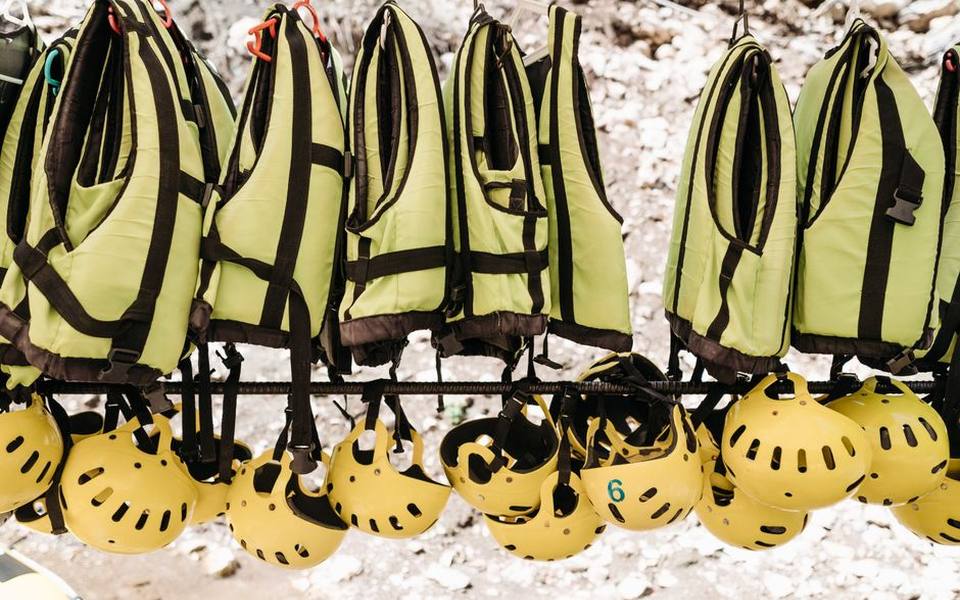
These facilities also maintain specialized safety infrastructure that individual boaters rarely possess. Fleets of self-bailing commercial rafts, high-tenacity hypalon or PVC shells, custom breakdown oar setups, and thoroughly inspected life jacket racks are standard protocol. Before leaving base camp, guides conduct dry-land safety orientations covering boat commands, paddle mechanics, defensive swimming posture, and throw-bag response tactics.
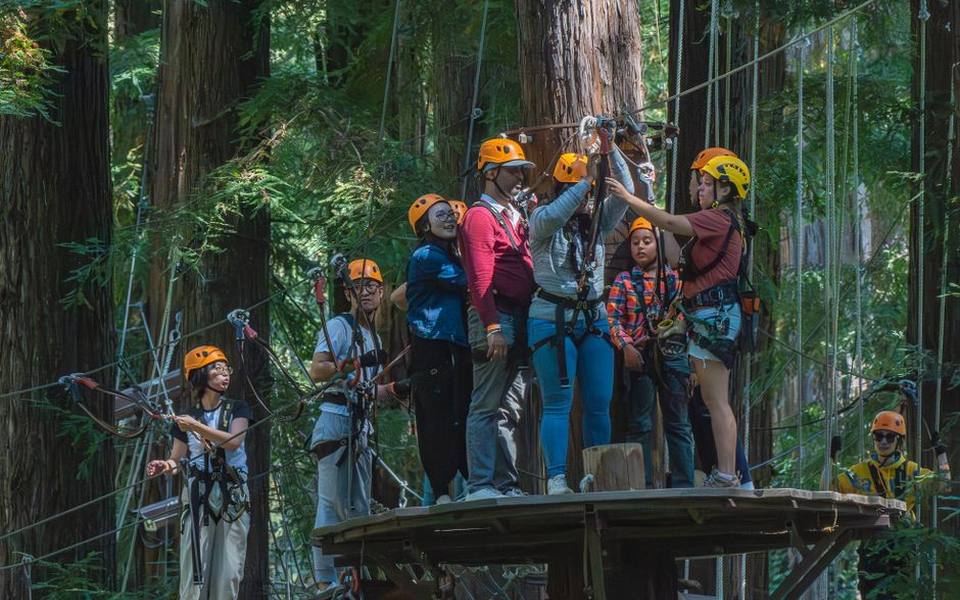
Many adventure campuses now integrate multiple recreational activities onto their broader acreage. Guests can spend the morning navigating foaming class rapids and spend the afternoon tackling canopy high-ropes courses, downhill mountain bike tracks, or group target games. This multi-discipline model ensures that non-paddling family members or group members seeking varied thrills stay thoroughly engaged across multi-day outings.
Crucial Gear and River Safety Protocols
Personal Floatation Devices (PFDs) used in commercial whitewater operations are Type III or Type V Coast Guard-approved models explicitly rated for rough-water performance. Unlike low-profile lake life vests, whitewater PFDs offer substantial buoyancy around the torso, designed to float an adult face-up in aerated water where air bubbles reduce natural water density. Every life jacket must be cinched down securely at side straps until it cannot be pulled upward over the wearer's ears.
Helmets are mandatory gear across Class III and above rapids to protect against blunt impact with submerged boulders, paddle shafts, or fellow paddlers' equipment during violent jostling. Proper footwear is equally crucial; flip-flops, slide sandals, and heavy hiking boots are unsafe. Rafters should wear secure water shoes, strapped sandals with enclosed toes, or neoprene booties with thick rubber traction soles capable of gripping slick river rock.
Defensive swimming is the single most critical personal safety technique taught on the river. If ejected from the boat, a swimmer must instantly assume the white-water floating position: lying on their back with feet pointing downstream, toes breaking the surface, and arms extended to steer. Keeping feet high prevents foot entrapment, a dangerous situation where a foot wedges into underwater rock crevices while rushing water forces the swimmer under.
Coordinating Logistics for Group Rafting and Multi-Sport Events
Organizing group outings for corporate team building, bachelor parties, or large family reunions requires careful alignment of individual risk tolerances and physical capabilities. A common mistake is selecting an aggressive Class IV canyon run that overwhelms cautious participants, leading to panic rather than enjoyment. Booking an intermediate Class III trip or choosing an outfitter that offers simultaneous high-adventure and scenic float options ensures universal engagement across the roster.
Advance reservations are vital, particularly during peak summer release weekends or early autumn Gauley runs when commercial permits cap daily river traffic. Outfitters typically require group coordinators to collect liability waivers, dietary restrictions for river lunches, and height and weight metrics to assign appropriate gear. Paying attention to deposit schedules and refund policies prevents financial friction if individual members drop out close to departure.
To maximize group camaraderie, consider pairing a half-day river expedition with land-based team competitions. Exploring nearby party venues or booking a tactical session through the broader network of outdoor adventure venues allows teams to debrief their river triumphs while challenging one another on dynamic field layouts. This hybrid programming delivers balanced, action-packed multi-day gatherings.
Reading River Currents and Basic Paddle Navigation
A commercial raft responds directly to the synchronized effort of its crew under the direction of the stern guide. Understanding fundamental river mechanics helps paddlers anticipate maneuvers rather than reacting with hesitation. Currents naturally accelerate around the outside of river bends and compress as they pass between boulders, forming a defined 'V' pointing downstream that signals the deepest, clearest channel through a rapid.
Conversely, an upstream-pointing 'V' indicates a submerged rock or obstacle that must be avoided. Directly behind large boulders, water circulates backward to form calm refuges known as eddies. Guides frequently use eddy lines to pause the raft, scout downstream lines, or position the craft for rescue support. Entering or peeling out of an eddy requires decisive paddling to punch through the eddy fence where competing currents meet.
Mastering basic voice commands keeps the raft stable when dropping through hydraulic holes. Calls like 'All Forward' demand rhythmic, synchronized strokes digging deep into green water rather than splashing surface foam. The critical command 'High Side' requires everyone in the boat to immediately throw their body weight toward the downstream tube when a boat leans precariously against a rock or wave, preventing hydraulic water from catching the floor and flipping the raft.
Published 2026-09-21 · reviewed with each rebuild, last October 2026.
Find paintball fields & fun centers near you
The directory lists 36,923 paintball fields & fun centers by state and city — pick your state or use the “Near me” button in the header.
More guides
-
 Service
Where and How to Refill Paintball CO2 and HPA Tanks
-
 Buying
A Guide to Purchasing Your Own Paintball Equipment
-
 Safety
Paintball vs Airsoft: Evaluating Impact, Costs, and Removing Stubborn Stains
-
 Money
MoneyHow Much Does Paintball Cost? Field Fees, Rental Packages, and Ammo Math
-
 Safety
Does Paintball Hurt? Safety, Bruises, Clothing, and Stains
-
 Buying
Where to Sell Used Paintball Guns Safely and Clean Up Gear
-
 Safety
Beginner's Guide to Paintball: Understanding Game Formats and Rules
-
 Money
MoneyPaintball Cost Guide: Equipment, Field Fees, and Play Prices
-
 Owning
How to Remove Paint and Acrylic Stains from Clothing and Fabrics
-
 Buying
Tactical and Military Boots: Brands, Comfort, and Field Selection
-
 Service
Corporate Team Building and Outdoor Adventure Events: The Complete Organizer's Guide
-
 Buying
Laser Tag Arenas, Equipment, and Home Party Rentals Guide
-
 Safety
LiPo Battery Maintenance, Safe Charging, and Balance Chargers for Gear
-
 Service
Indoor and Outdoor Paintball Fields: Venue Selection, Booking, and Rules
-
 Buying
Complete Paintball Equipment Guide: Markers, Air Tanks, Jerseys, and Field Attire
-
 Safety
Airsoft Fields and Arenas Guide: Indoor vs Outdoor Venues, Rules, and Rentals
-
 Buying
Laser Tag Centers, Home Equipment, and Event Planning Complete Guide
-
 Service
Paintball Fields, Scenario Games, Night Ops, and Arena Booking Guide
-
 Safety
Ziplining and Aerial Trekking Parks: Top Courses, Safety Standards, and Booking
-
 Buying
Tactical Combat Boots Buying Guide: Military Specs, Fit, and Durability
-
 Owning
Paintball Marker Maintenance, Air Systems, and Tank Safety Guide
-
 Safety
What to Wear for Paintball: Clothing, Protective Gear, and Cleaning Paint Stains
-
 Owning
Airsoft Gear and Milsim Accessories: Speedloaders, Tracers, and Camouflage
-
 Safety
Paintball Age Limits, Tactics, and Corporate Event Planning
-
 Safety
Complete Guide to LiPo and RC Battery Chargers: Safety, Storage, and Voltage Care
-
 Owning
Paintball Video Games, Consoles, and Digital Arenas: An Off-Field Player Guide
-
 Service
CO2 Tank Refills and Compressed Air Systems: Options, Locations, and Safety Rules
-
 Owning
Archery Games Guide: Online Simulators to Adult Field Events
-
 Buying
Complete Airsoft Guns and Equipment Guide: Reviews, Rentals, and Legal Safety
-
 Owning
Paintball Gear & Maintenance Guide: Custom Apparel, Tank Fills, and Stain Removal
-
 Service
Ultimate Guide to Indoor Soccer Zones: Leagues, Facilities, and Play Options