Finding the Right Playing Field in Your Area
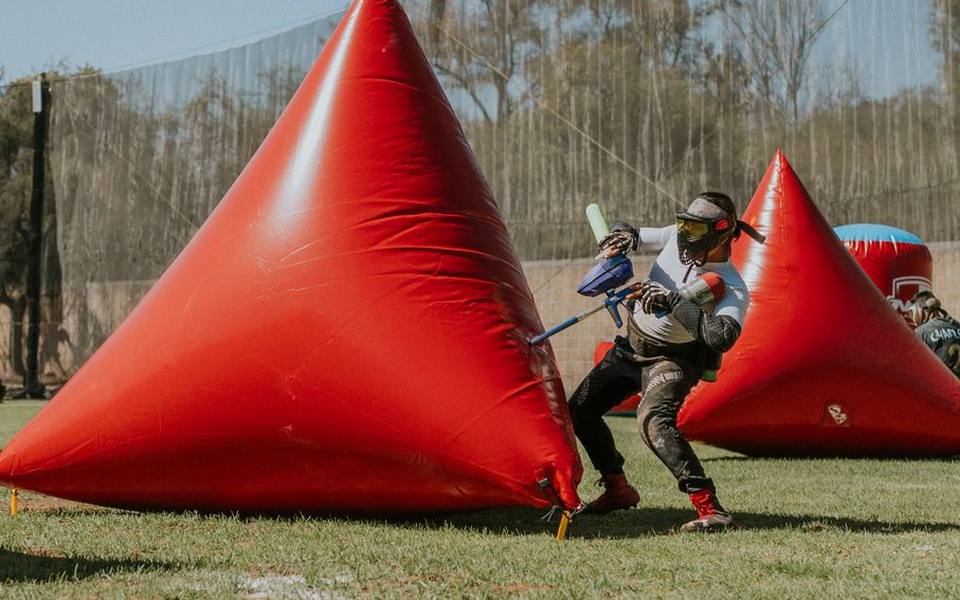
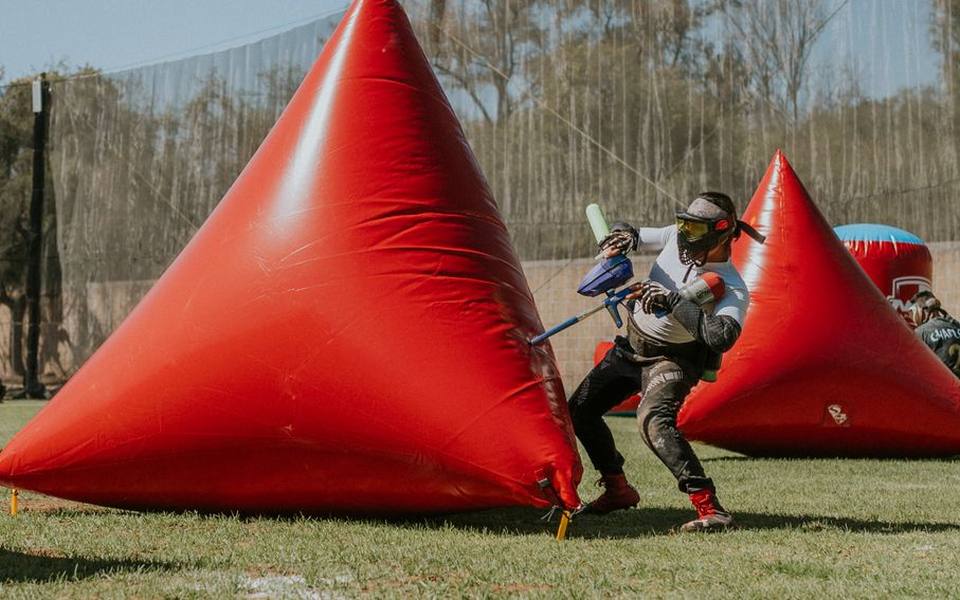
Finding an active venue nearby begins by understanding that airsoft operates across several facility types, ranging from dedicated commercial arenas to multi-sport parks. Many players start their search expecting standalone airsoft complexes, only to discover that regional paint parks frequently host dedicated airsoft walk-on days, open skirmishes, and tactical scenarios alongside their traditional schedule. Exploring airsoft games on-site allows you to identify dual-sport facilities where safety netting, established staging zones, and professional referee crews are already standard operational practice.
Operating schedules for airsoft venues vary significantly depending on the region and the physical nature of the property. Dedicated indoor combat arenas often run open play sessions several weeknights alongside packed weekend time slots, catering to local working adults and student clubs. Outdoor woodland parks, on the other hand, typically schedule open public skirmishes on alternating Saturdays or Sundays to allow large player turnouts. Checking community social groups or venue calendars beforehand prevents the disappointment of driving out to a facility on a day reserved exclusively for private team practices.
Proximity plays a major role in how often you can realistically participate in matches, but travel radius is only part of the evaluation. Staging amenities, safety briefing rigor, chronograph enforcement, and parking capacity distinguish a properly managed facility from an unmonitored patch of private woods. A venue located forty minutes away that enforces balanced team rosters, maintains clean staging tables, and regulates muzzle energy delivers a much better experience than a closer location operating without trained staff or certified safety marshals.
Indoor Tactical Arenas versus Sprawling Outdoor Grounds
Indoor close-quarters combat arenas place heavy emphasis on lightning-fast reflexes, corner clearing, and room-to-room clearing tactics. These venues are typically built inside converted industrial warehouses or commercial buildings, utilizing modular plywood partitions, shipping containers, and simulated multi-room structures. The controlled environment eliminates weather delays, high winds, and heavy rain, allowing players to run compact setups, lightweight gear, and low-profile tracer units year-round without fighting the elements. Playing in an indoor field demands sharp communication and instant situational awareness.
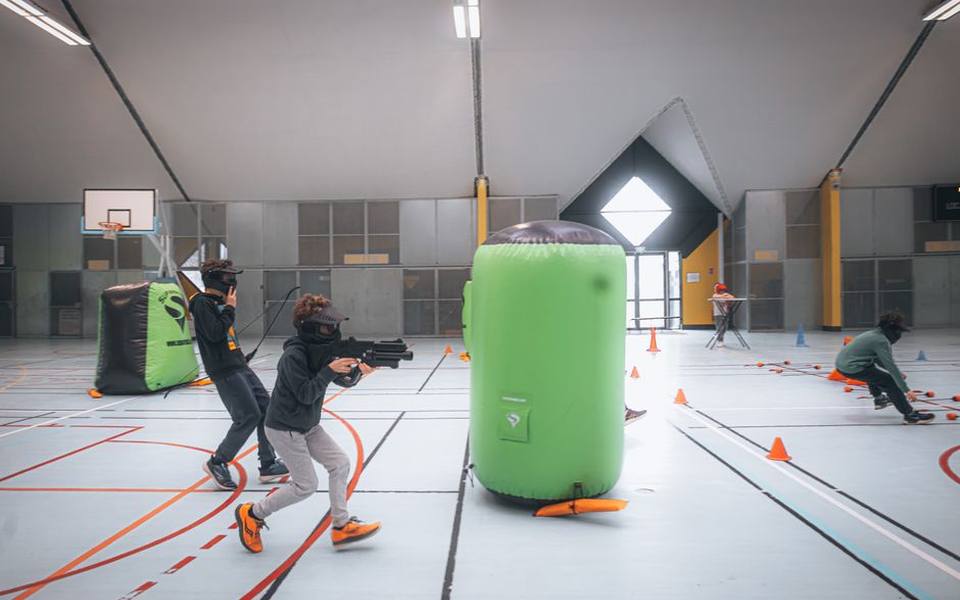
Outdoor properties present a completely different tactical experience characterized by long sightlines, thick brush, tree cover, and varied topography. Matches on expansive acreage reward team communication, flanking maneuvers, and strategic positioning rather than pure sprinting speed. Engagement distances stretch considerably, requiring players to compensate for wind drift, foliage obstruction, and terrain elevation. Outdoor facilities often combine dense timbered zones with structured compound bases, giving players a mixture of rural open-field movement and simulated village fighting within the same continuous boundary.
Your preferred style of play dictates which venue type offers the best value for your weekend. Indoor arenas accelerate the pace of engagement, leading to frequent respawns, rapid ammunition consumption, and short, high-intensity matches lasting ten to fifteen minutes. Outdoor matches tend to run longer, frequently lasting thirty to forty-five minutes with complex scenario objectives like capturing fortified flags or defending supply caches. Many regular hobbyists rotate between both environments depending on the season, weapon setup, and personal energy levels.
Velocity Standards, Joules, and Chronograph Testing
Safety at any organized venue begins at the chronograph station, where staff members measure the muzzle velocity and kinetic energy of every replica before play begins. Commercial venues enforce strict maximum energy thresholds to prevent skin breaks, dental injuries, and excessive pain during close encounters. In modern airsoft management, measuring energy output in Joules has largely replaced simple feet-per-second readings because Joules accurately account for varying BB weights, preventing dangerous energy creep caused by heavy ammunition in high-pressure air systems.
Indoor arenas typically enforce tight limits, commonly capping muzzle energy between 1.0 and 1.14 Joules, which translates to roughly 300 to 350 feet per second when firing standard 0.20-gram BBs. Because indoor firefights happen around tight partitions and doorways, keeping velocities conservative minimizes injury risks during surprise close-contact encounters. Venues usually require players to test using field-provided testing magazines loaded with official reference BBs, ensuring nobody games the chronograph test by misrepresenting their projectile weight during staging check-ins.
Outdoor grounds generally allow higher power ceilings to help projectiles reach targets across open pastures and through light leaves. Standard assault rifles typically top out around 1.49 to 1.55 Joules, while designated marksman rifles and bolt-action sniper systems might reach 1.88 to 2.3 Joules depending on local facility guidelines. Any platform shooting above the standard rifle threshold must adhere to mandatory minimum engagement distances, ensuring that high-velocity shots are never discharged at point-blank range against unexpecting opponents.
California Venues and Regional Transportation Rules
Navigating the recreational scene on the West Coast requires understanding both venue diversity and strict state legal requirements. The massive community surrounding paintball fields in California provides access to some of the largest tactical outdoor skirmish parks and high-end indoor CQB facilities in the country. Facilities throughout the state host everything from casual weekend walk-ons to massive multi-day milsim scenarios featuring hundreds of uniformed players maneuvering through canyon terrain, abandoned military structures, and custom-built tactical villages.
California law mandates specific compliance standards regarding how airsoft replicas are transported and marked in public spaces. State regulations require bright safety markings on retail replicas, and transporting any imitation firearm in public view is illegal. Players traveling to California parks must always keep their airsoft equipment completely enclosed inside gun cases, zippered rifle bags, or locked vehicle trunks until they pass through the staging boundaries of the commercial venue, safely away from general public visibility.
Outdoor playing conditions across California vary drastically between coastal hills, inland valleys, and high-desert basins. Venues situated in arid inland regions frequently experience intense midday heat and dry dust that can foul precision inner barrels and hop-up buckings. Additionally, severe summer fire risks often lead local parks to prohibit pyrotechnic devices, spark-generating igniters, and sulfur-based smoke grenades. Bringing adequate lens cleaning supplies, gear bags that seal out blowing sand, and plenty of electrolyte hydration is essential for comfort.
Playing in the Southeast and Managing Humid Climates
The Southeast boasts a thriving tactical sports culture supported by broad wooded acreage and bustling urban arenas. When looking across paintball fields in Georgia, players find a diverse balance of modern metro-area indoor facilities and expansive woodland courses nestled in natural pine forests. The metropolitan scene around Atlanta features several prominent close-quarters arenas that draw competitive speedsoft squads alongside weekend casuals, while the rural outskirts provide massive rolling timber parcels designed for extended tactical patrols and squad-level maneuvers.
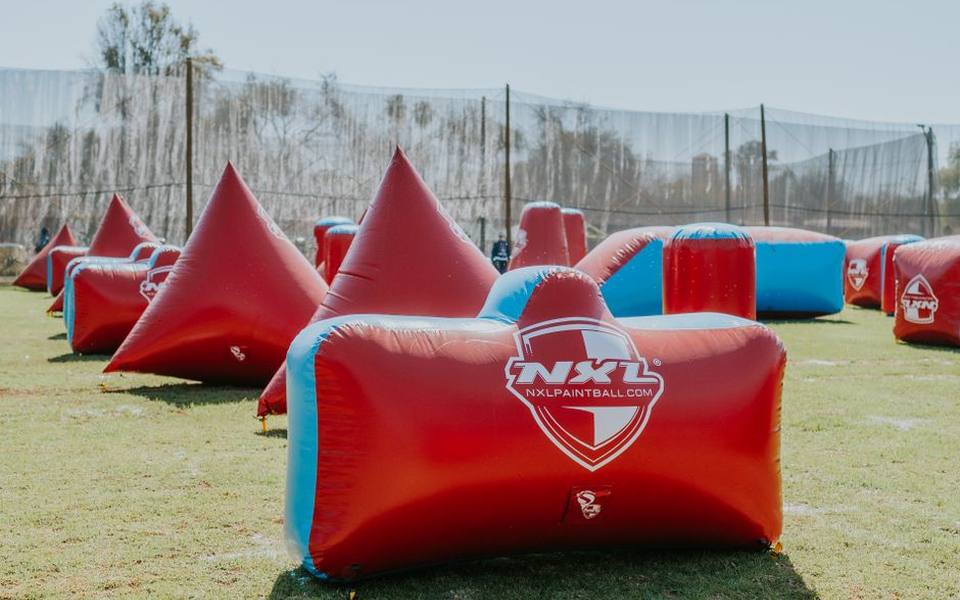
Further south, the landscape shifts toward coastal plains and sandy flatwoods, where paintball fields in Florida deliver year-round outdoor action unmatched by colder northern states. Florida venues frequently incorporate palmetto scrub, sandy trenches, and cypress borders that demand durable boots and high-traction footwear. However, the tropical environment introduces persistent midday heat and high humidity, which can quickly turn full-seal protective goggles into a fogged-up liability if players do not utilize thermal lenses, anti-fog compounds, or miniature battery-powered goggle fans.
Managing weather conditions is a regular part of participating in Southern tactical sports. Sudden afternoon thunderstorms are a staple of subtropical summers, causing outdoor parks to temporarily pause games during lightning warnings before resuming play once squalls pass. Smart players pack waterproof gear covers, spare dry socks, and lightweight ripstop battle dress uniforms that breathe easily under heavy body armor, ensuring high humidity does not cause heat exhaustion or ruin expensive electronics.
Upper Midwest Warehouses and Winter Adjustments
In northern regions like the Upper Midwest, seasonal weather shifts dictate where and how airsoft enthusiasts spend their weekends. During the warmer spring and autumn months, sprawling woodland facilities across the Great Lakes host large regional gatherings. However, when sub-zero temperatures, freezing slush, and heavy snowstorms hit the region, the local playing community transitions inward toward repurposed factory buildings, industrial distribution centers, and tactical training warehouses scattered throughout manufacturing hubs.
Winter airsoft indoors provides a climate-controlled refuge, but outdoor winter play remains an option for dedicated winter warriors. Cold weather significantly impacts airsoft mechanics, stiffening the rubber hop-up buckings that give BBs their backspin and causing polymer rifle bodies to become brittle and prone to cracking on hard impacts. Furthermore, lithium-polymer batteries suffer dramatic voltage drops when exposed to freezing air, drastically reducing trigger response and cycle times compared to their warm-weather performance.
Indoor warehouse arenas around major Midwestern hubs provide multi-story staging, concrete structural covers, and carpeted shooting lanes designed to keep players active straight through December and January. These facilities often feature dedicated rental armories, comfortable player lounges, and climate-controlled staging zones where players can swap magazines, recharge power packs, and socialize between high-intensity rounds without shivering in frozen staging parking lots.
Pacific Northwest Timber Courses and Wet Terrain Tactics
The Pacific Northwest features some of the most visually stunning and physically challenging airsoft terrain in North America. Dense evergreen canopies, moss-covered ravines, and steep forestry tracks create an immersive environment that mirrors real-world wilderness operations. Playing under towering timber requires eyes that can spot subtle silhouette breaks and barrel profiles hidden behind thick fern undergrowth, placing a massive tactical advantage on slow, disciplined movement rather than sprinting across open paths.
Wet weather is a near-constant reality for Pacific Northwest players, demanding specialized gear care and footing awareness. Damp forest loam and wet cedar roots become extremely slick, making high-traction combat boots with firm ankle support mandatory to prevent sprains and slips. Waterproof grease along gearbox seams, silicone spray around wiring harnesses, and protective tape over motor vents help prevent moisture damage to high-end custom electric replicas operating in steady coastal drizzle.
The dense overhead tree canopy also creates unique lighting challenges that affect target acquisition. Midday sunlight filtered through thick cedar branches creates deep shadow pockets right next to blinding light patches, confusing standard clear goggle lenses. Many regional outdoor veterans swap their clear lenses for yellow or amber tints to improve contrast in shaded timber, while mounting compact weapon lights to illuminate dim bunkers, brush piles, and thick brush clusters.
Rental Equipment, Essential Gear, and Group Reservations
For newcomers without personal equipment, commercial rental packages provide an easy, low-friction pathway into the sport. A standard rental kit typically includes an entry-level automatic electric gun (AEG), a fully charged battery pack, one high-capacity magazine, an initial allotment of several hundred plastic BBs, and an ASTM-certified full-face protection system. Rental gear is tuned to operate reliably within the venue's velocity limits, allowing beginners to step directly into public games without worrying about technical setup or chronograph testing.
Quality eye and face protection is the most critical component of any rental package or personal gear bag. Commercial venues strictly enforce full-seal eye protection rated to ANSI Z87.1 high-velocity impact standards at minimum, ensuring BBs cannot squeeze through flexible gaps around the temples or cheeks. For younger players and indoor participants, fields almost universally mandate rigid lower-face mesh or full composite masks to prevent chipped teeth, protect sensitive ear tissue, and ensure total facial safety from ricochets.
Airsoft facilities are increasingly popular choices for group outings, team-building retreats, and celebrations. Many operators provide structured party packages that include private referees, reserved staging tables, dedicated rental lockers, and custom game modes tailored to the skill level of the participants. Booking a private reservation allows casual groups to play at their own comfort level without having to trade fire against highly experienced tournament squads running specialized equipment.
Field Rules, Minimum Engagement Distances, and Etiquette
Airsoft is entirely dependent on the honor system because plastic BBs, unlike paintballs, do not leave bright marks upon impact. Calling your hits is the foundational rule of the entire sport: the moment a BB strikes any part of your body, clothing, or gear, you must immediately shout "Hit!", raise an arm high in the air, and display a bright red dead rag or illuminated safety light. Wandering off the field silently or ignoring clear hits ruins the game for everyone and leads to swift warnings or ejection by field referees.
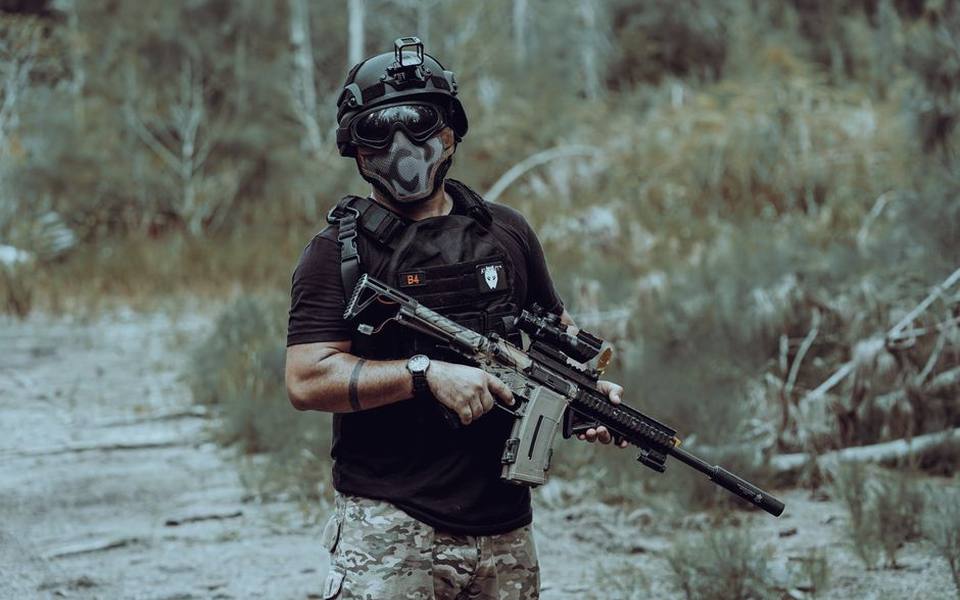
Minimum engagement distances (MEDs) are strictly enforced at outdoor properties to prevent painful high-energy hits at point-blank range. If your rifle shoots above the close-quarters limit, field safety rules prohibit you from firing at an opponent closer than twenty, fifty, or even one hundred feet, depending on your replica's velocity class. In close encounters inside the MED, players must either switch to a lower-powered sidearm or call out a polite verbal surrender when catching an unaware opponent from behind.
Staging zone etiquette is taken just as seriously as on-field sportsmanship to ensure nobody is harmed during down periods between matches. Before entering a safe staging area, players must remove their magazines, clear the firing chamber by firing two semi-automatic shots into a designated clearing barrel, engage the mechanical safety switch, and slip an approved barrel-blocking device over the muzzle. Careless dry-firing in the staging area is the fastest way to get reprimanded by park management.
First-Time Player Preparation and Packing Checklists
Preparing properly the night before your first visit makes a massive difference in how much you enjoy your time at the field. Clothing should balance full skin coverage with freedom of movement: avoid short sleeves and thin athletic shorts, which leave skin vulnerable to stinging BB impacts and thorny brush. A pair of broken-in cargo pants, a breathable long-sleeve combat shirt or lightweight hoodie, and practical utility gloves with reinforced palms will protect you from scrapes, dirt, and knuckle hits throughout the day.
Physical endurance requires consistent hydration and smart nutrition, especially during long outdoor skirmishes. Tactical gear traps heat close to the torso, causing players to sweat significantly more than they realize while jogging between cover. Packing several liters of cold water, electrolyte replacement drinks, and quick protein snacks will keep your focus sharp and legs moving through the final rounds of the afternoon. Sticking to heavy fast food during the lunch break often causes sluggishness when afternoon games resume.
Finally, ensure your administrative tasks are settled before arriving at the parking lot to save valuable staging time. Nearly every commercial venue requires an active liability waiver signed by every participant, or by a legal parent or guardian for players under eighteen. Completing digital waivers online ahead of time allows you to move straight to the check-in register, get your rental gear assigned early, and claim a comfortable staging table before the morning safety briefing begins.
Published 2026-09-21 · reviewed with each rebuild, last October 2026.
Find paintball fields & fun centers near you
The directory lists 36,923 paintball fields & fun centers by state and city — pick your state or use the “Near me” button in the header.
More guides
-
 Service
Where and How to Refill Paintball CO2 and HPA Tanks
-
 Buying
A Guide to Purchasing Your Own Paintball Equipment
-
 Safety
Paintball vs Airsoft: Evaluating Impact, Costs, and Removing Stubborn Stains
-
 Money
MoneyHow Much Does Paintball Cost? Field Fees, Rental Packages, and Ammo Math
-
 Safety
Does Paintball Hurt? Safety, Bruises, Clothing, and Stains
-
 Buying
Where to Sell Used Paintball Guns Safely and Clean Up Gear
-
 Safety
Beginner's Guide to Paintball: Understanding Game Formats and Rules
-
 Money
MoneyPaintball Cost Guide: Equipment, Field Fees, and Play Prices
-
 Owning
How to Remove Paint and Acrylic Stains from Clothing and Fabrics
-
 Buying
Tactical and Military Boots: Brands, Comfort, and Field Selection
-
 Service
Corporate Team Building and Outdoor Adventure Events: The Complete Organizer's Guide
-
 Buying
Laser Tag Arenas, Equipment, and Home Party Rentals Guide
-
 Safety
LiPo Battery Maintenance, Safe Charging, and Balance Chargers for Gear
-
 Service
Indoor and Outdoor Paintball Fields: Venue Selection, Booking, and Rules
-
 Buying
Complete Paintball Equipment Guide: Markers, Air Tanks, Jerseys, and Field Attire
-
 Safety
Whitewater Rafting and River Adventure Parks: Destinations, Trips, and Safety Guide
-
 Buying
Laser Tag Centers, Home Equipment, and Event Planning Complete Guide
-
 Service
Paintball Fields, Scenario Games, Night Ops, and Arena Booking Guide
-
 Safety
Ziplining and Aerial Trekking Parks: Top Courses, Safety Standards, and Booking
-
 Buying
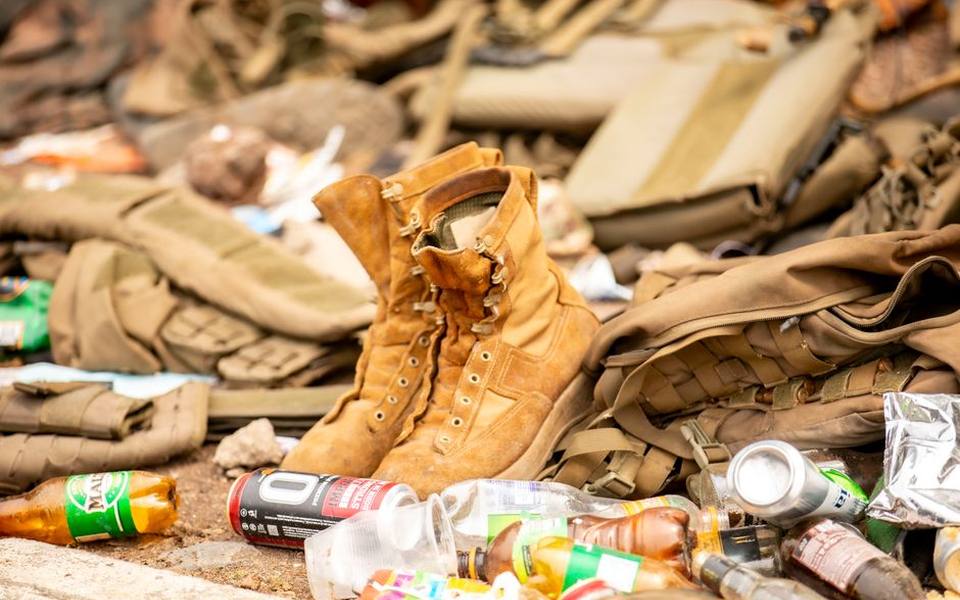
Tactical Combat Boots Buying Guide: Military Specs, Fit, and Durability
-
 Owning
Paintball Marker Maintenance, Air Systems, and Tank Safety Guide
-
 Safety
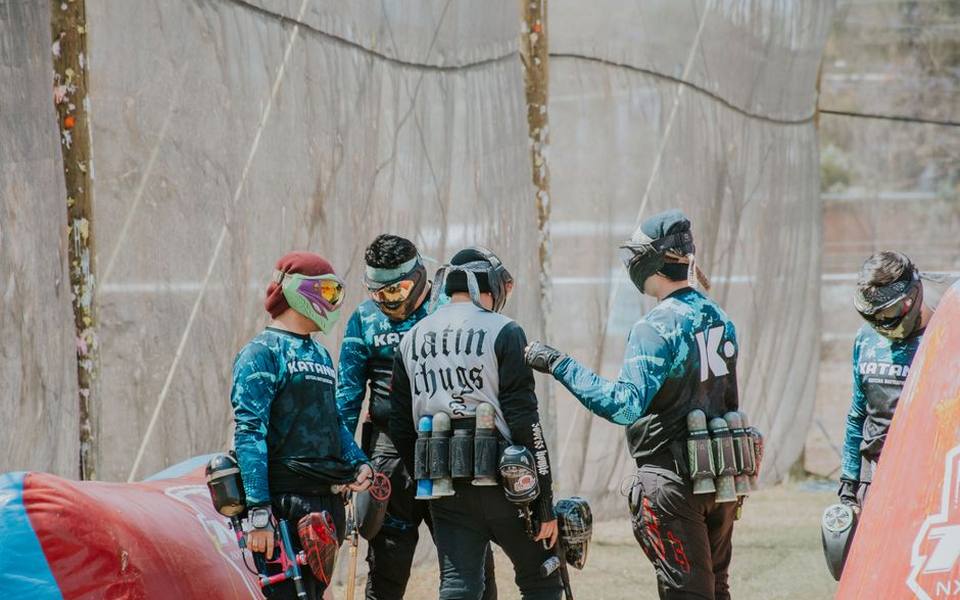
What to Wear for Paintball: Clothing, Protective Gear, and Cleaning Paint Stains
-
 Owning
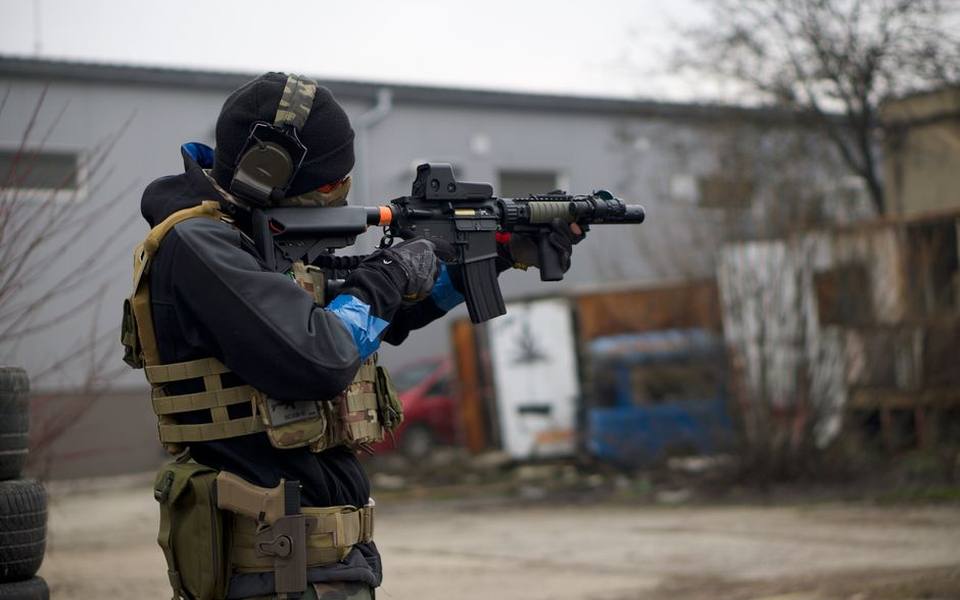
Airsoft Gear and Milsim Accessories: Speedloaders, Tracers, and Camouflage
-
 Safety
Paintball Age Limits, Tactics, and Corporate Event Planning
-
 Safety
Complete Guide to LiPo and RC Battery Chargers: Safety, Storage, and Voltage Care
-
 Owning
Paintball Video Games, Consoles, and Digital Arenas: An Off-Field Player Guide
-
 Service
CO2 Tank Refills and Compressed Air Systems: Options, Locations, and Safety Rules
-
 Owning
Archery Games Guide: Online Simulators to Adult Field Events
-
 Buying
Complete Airsoft Guns and Equipment Guide: Reviews, Rentals, and Legal Safety
-
 Owning
Paintball Gear & Maintenance Guide: Custom Apparel, Tank Fills, and Stain Removal
-
 Service
Ultimate Guide to Indoor Soccer Zones: Leagues, Facilities, and Play Options