Why Tactical Footwear Dictates Field Performance
Footwear is frequently overlooked until a player steps into a root-choked ditch, rolls an ankle on loose shale, or spends four hours running in damp socks. Unlike ordinary athletic sneakers designed for flat hardwood or smooth asphalt, tactical footwear protects the foot and lower leg from sudden lateral twists, sharp brush, and concealed obstacles. A dependable pair of boots gives you the stability to brake hard, change directions, and kneel on rough surfaces without bruising your arches.
Choosing between lightweight modern hybrids and rigid standard-issue styles depends largely on the terrain you play on most frequently. Fast-paced players on manicured grass or artificial turf often prefer flexibility and quick sprint responsiveness over rock-solid ankle locks. Conversely, outdoor scenarios in heavy forest, ravines, or abandoned structural lots require stiff midfoot support, puncture resistance, and aggressive lug patterns to maintain positive contact with the ground.
Weight plays a massive role in overall endurance across a full day of matches. Carrying an extra pound on your feet costs significantly more physical energy over six hours than carrying that same pound in a chest rig or harness. Finding the sweet spot between structural protection, durability, and low swing-weight will keep your footwork sharp from morning safety briefings to late-afternoon final rounds.
The Evolution of Men's Combat Boots for Tactical Sports
Traditional men's combat boots were constructed entirely from thick, oiled cowhide paired with vulcanized rubber outsoles. While these heritage designs offered incredible longevity and kept deep briars from piercing through, they typically required weeks of painful break-in time and felt excessively heavy during sustained sprints. Modern tactical engineering has moved away from rigid monolithic leather toward zoned construction, blending high-denier nylon fabrics with strategically placed split-grain or synthetic leather panels.
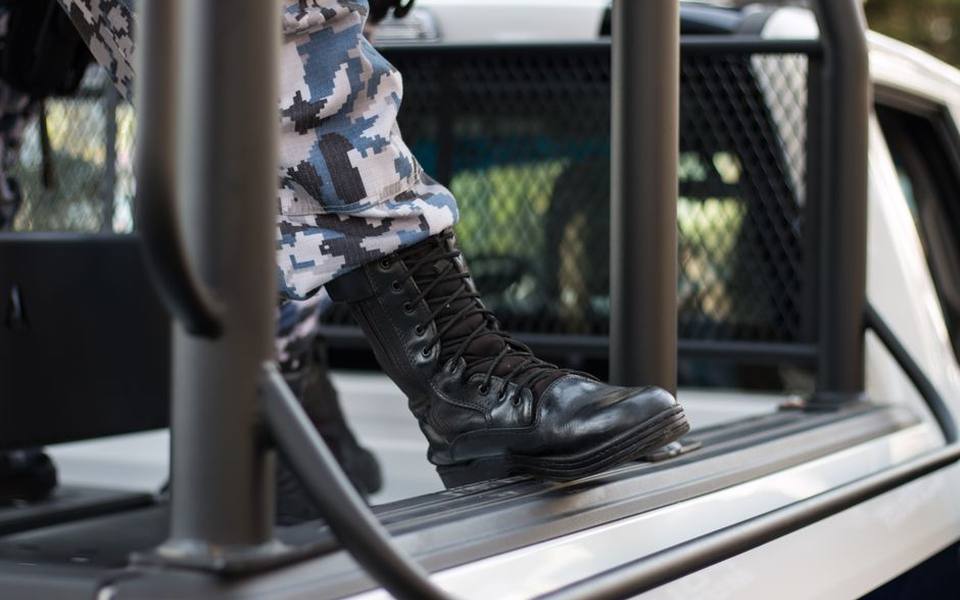
Modern combat footwear now borrows extensive ergonomics from trail running shoes and mountaineering boots. Outsoles feature multi-density polyurethane and EVA midsoles that absorb harsh downward shocks when leaping over barricades or dropping out of elevated bunkers. Flex grooves across the forefoot allow the foot to bend naturally during crouches and crawling maneuvers, preventing the stiff, wooden sensation associated with older military surplus.
Another major shift is in breathability and moisture management. Earlier combat boots sealed moisture inside, which inevitably produced hot spots and friction blisters during summer matches. Today's men's combat boots incorporate open-cell mesh linings and quick-drying hydrophobic outer fabrics that shed external moisture while letting sweat evaporate before it compromises skin integrity.
Athletic Agility: The Under Armour Tactical Approach
When traditional athletic apparel manufacturers entered the tactical footwear market, they prioritized speed and out-of-the-box comfort. Under Armour tactical boots quickly earned a reputation among recreational scenario players and tactical athletes who hated stiff, heavy work footwear. By scaling up the chassis of their running sneakers, UA tactical boots created a hybrid style that feels broken in the very first time you lace them up.
The primary advantage of under armor tactical boots is their lightweight midsole cushioning, frequently utilizing proprietary Micro G foam compounds. This architecture delivers energetic rebound during short sprints between bunkers while dampening foot fatigue during all-day scenario games. For players transitioning directly from standard sneakers, the flexible upper and pliable ankle collars minimize the restrictive feeling common to stiff military footwear.
However, these ultra-lightweight hybrid boots come with natural trade-offs in long-term abrasion resistance. Thin textile panels and lightweight foam midsoles are more susceptible to premature wear when repeatedly scraped against jagged cinder blocks, sheet metal, or dense thorn patches. If you play predominantly on groomed woodsball layouts, speedball turf, or hybrid setups, they offer unmatched mobility, but hard-core wilderness terrain may demand something with more rugged armor.
Sprint Speed and Low Profiles: Nike's Lightweight Military Lines
Originally engineered to meet rigorous training demands, Nike military boots established a whole new category of ultra-lightweight tactical footwear through their Special Field Boot (SFB) lineage. These boots combine the minimalist aesthetic of free-running soles with the eight-inch height required by standard tactical uniforms. Nike army boots prioritize straight-line speed, unhindered ankle articulation, and minimal weight above extreme environmental protection.
The tread on these athletic military models features shallow, directional lugs that shed surface debris quickly and provide exceptional grip on dry dirt, wooden pallets, and packed clay. Because the outsoles flex so readily beneath the metatarsals, players can maintain full sprint velocity and transition into kneeling or prone shooting stances without feeling restrained by their footwear. The upper canvas sections dry out noticeably faster than traditional leather boots if submerged.
The limitation of this athletic silhouette is lateral rollover stability in steep, rocky gullies. The supple fabric collar provides light brush protection, but it will not lock the ankle joint in place the way a stiff mountaineering or heavy duty patrol boot does. For players competing in fast-break scenario tournaments or running matches at an indoor field, the featherweight construction and responsive board feel provide an undeniable physical edge.
Heavy-Duty Heritage: Belleville and Rigid Field Standards
On the opposite end of the spectrum from sneaker hybrids sit Belleville military boots, which trace their manufacturing pedigree through generations of Department of Defense service. Built to meet exacting military specifications, these boots rely on thick roughout cattlehide leather, heavy nylon side panels, and direct-attached Vibram rubber outsoles. They are designed for brutal operational conditions where boot failure is simply not an option.
Belleville boots provide exceptional ankle stability and puncture resistance against jagged branches, hidden rocks, and rusty field debris. The stiff fiberglass or steel shank embedded inside the sole preserves foot arch structure when balancing on narrow boards, fence rails, or uneven rock ledges. When players venture across vast timberland properties featured on Paintball Fields That Also Offer Airsoft, this level of structural defense prevents twisted joints and foot fatigue over seven-hour milsim operations.
The trade-off for this bombproof durability is mass and an extended break-in curve. You cannot simply pull a pair of Bellevilles out of the box on a Saturday morning and sprint all afternoon without risking hot spots. They require several short practice walks to form around your heel and instep. Once molded, however, a single pair can survive years of relentless abuse across harsh, unmaintained outdoor venues.
Tactical Boot Sizing and Ergonomics for Women
Finding properly fitted military boots women black styles historically presented challenges, as manufacturers often simply relabeled small men's footwear as unisex. However, female foot anatomy typically features a narrower heel cup, a higher instep, and a wider forefoot relative to total heel volume. Squeezing into a downsized men's boot frequently leaves excess room around the rear heel, creating relentless heel slippage and blister-inducing friction during tactical maneuvering.
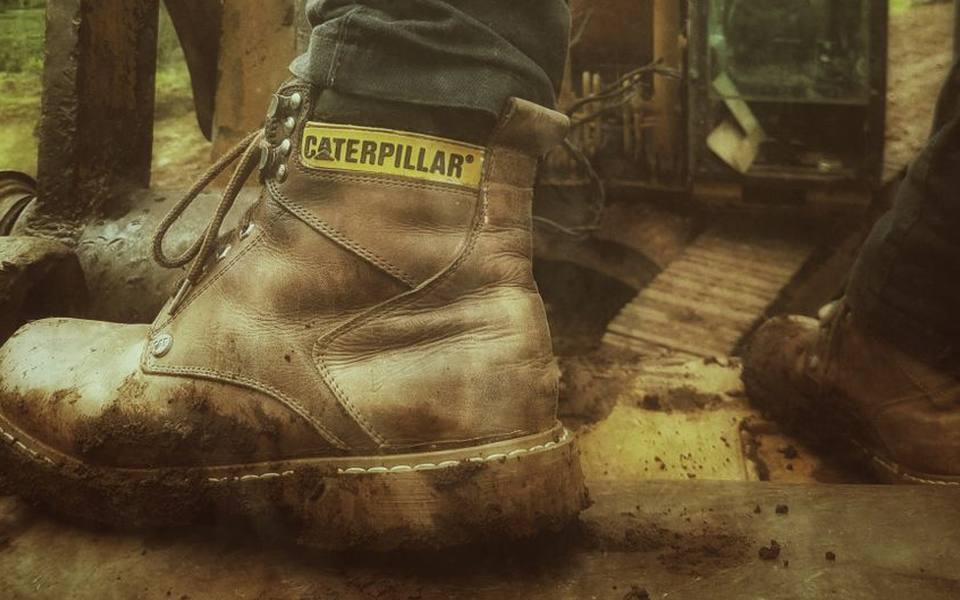
Modern ladies black military boots are now engineered on dedicated female lasts that account for these anatomical variances. A properly contoured heel pocket anchors the calcaneus bone firmly in place, ensuring that when the foot drives forward into a sprint, the boot moves synchronously with the body. Black army boots for women designed with adjusted collar tapers also prevent painful chafing against the lower calf and Achilles tendon, which are positioned differently than in male anatomy.
When purchasing tactical footwear, women should inspect whether the boot is built on a genuine female mold or merely converted using standard shoe-size conversion charts. Proper arch placement is equally critical; if the internal shank sits too far back or forward, it places abnormal strain on the plantar fascia during aggressive crouching behind low bunkers.
Outsole Traction: Matching Tread Patterns to Field Conditions
The best tactical boot in the world is useless if its outsole cannot grip the specific ground under your feet. Lug depth, rubber durometer, and siping patterns must match your primary playing venue. Softer rubber compounds provide sticky, reliable friction across smooth wet wood, painted barricades, and slick concrete, but they abrade quickly on abrasive gravel and tarmac. Harder rubber compounds endure gravel and harsh brush, but they can slip dangerously on smooth wet decking.
Deep, spaced-out perimeter lugs are mandatory for deep mud, clay, and damp organic leaf litter. These widely spaced channels utilize the natural flexing of the sole to eject packed mud with every step, preventing the bottom of your boot from turning into a smooth, traction-free slab. Facilities across our 653 directory listings in top states, such as Paintball Fields in Texas, often present hard-packed caliche soils that turn to thick gumbo following afternoon rains, demanding aggressive self-cleaning outsoles.
If you play mostly in dry, scrubby desert or pine-needle forests, multidirectional shallow micro-lugs deliver more surface contact and quieter movement. Sneaking through dense cover without snapping twigs requires boots with low-profile sole profiles that let you feel ground irregularities before committing your full body weight to a stride.
Waterproofing Versus Rapid Drainage: Choosing Your System
Waterproof membrane liners such as Gore-Tex or proprietary barrier bootie systems excel in cold, slushy, or dew-soaked environments. They keep external moisture from soaking through your socks during early morning woodsball scenarios. However, waterproof membranes are a double-edged sword: once water spills over the eight-inch collar during a deep creek crossing, the membrane prevents that water from escaping, essentially turning your boots into miniature buckets.
In warmer, humid climates, non-waterproof jungle-style boots equipped with brass drainage grommets at the arch instep are often far superior. When you step into a knee-deep swamp or drainage ditch, the water enters freely but pumps out with every subsequent stride. Combined with moisture-wicking synthetic socks, drained boots dry remarkably fast via natural body heat and ambient airflow as you continue running.
Deciding between membranes and drainage vents depends heavily on local seasonal temperatures and typical game lengths. In northern late-fall scenario events, cold wet feet can induce hypothermia and ruin your weekend. In summer southern games, waterproof membranes trap excessive foot sweat, softening the skin until severe friction blisters form before lunchtime.
The Break-In Phase and Blister Prevention Strategies
Rushing straight into an intense full-day tournament with brand-new tactical boots is the fastest way to sideline yourself with painful heel hot spots. Even flexible hybrid tactical sneakers require a brief settling period where the footbed molds to your arches and internal collar foam compresses against your ankle bones. Heavy duty leather combat options naturally demand several weeks of progressive break-in sessions before reaching optimal comfort.
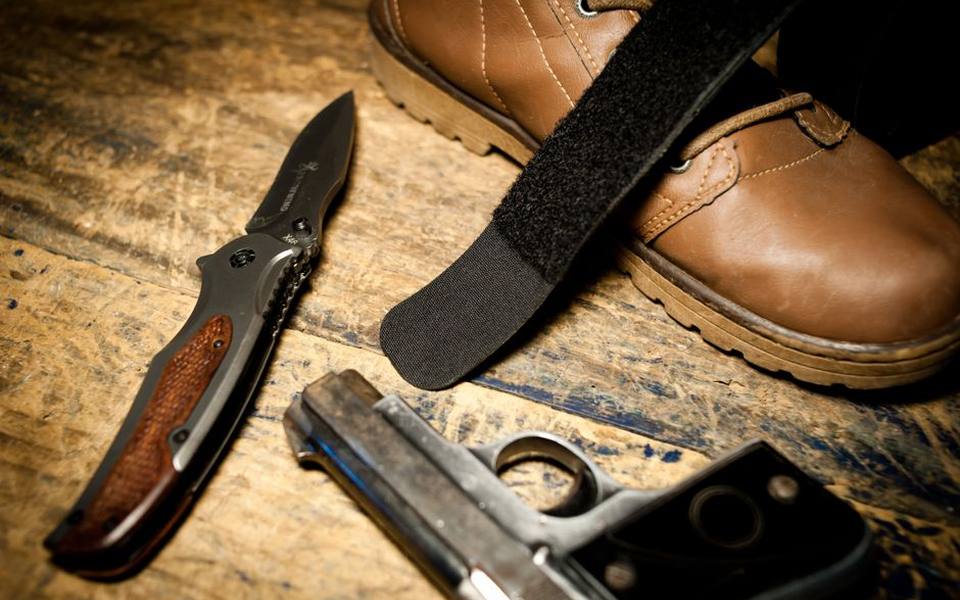
Start by wearing your new boots around the house for an hour or two with the exact sock combinations you intend to play in. Progress to brisk outdoor walks on neighborhood trails before ever subjecting the footwear to full sprints, dynamic crouches, and bunker slides. If you identify tight pressure spots along the wide joints of the foot, adjusting your lacing tension across specific eyelet rows can relieve focal stress points without compromising ankle support.
Sock selection is every bit as critical as the boot itself. Never wear cheap, 100% cotton tube socks inside tactical footwear; cotton absorbs moisture, swells, loses its shape, and acts like sandpaper against damp skin. Opt for dense Merino wool blends or synthetic moisture-wicking athletic socks with reinforced heels and seamless toes to reduce rotational friction inside the footwear.
Cleaning, Maintenance, and Maximizing Footwear Longevity
Tactical footwear is exposed to an aggressive combination of caked mud, fine dust, spilled paint fill, and human sweat. Allowing damp mud to dry and remain on leather or Cordura fabric acts like a desiccating sponge, slowly leaching natural oils out of the material and causing premature cracking along flex zones. After every major field outing, use a medium-stiff nylon brush and lukewarm water to knock dried muck out of the tread lugs and upper stitching seams.
Never place tactical boots directly in front of forced-air heating vents, inside a clothes dryer, or over open campfires to dry them out. Intense direct heat hardens natural leather fibers, shrinks synthetic fabrics, and rapidly delaminates the cement compounds binding the outsole to the EVA midsole. Instead, pull the insoles out, loosen the laces completely, pull the tongue forward, and let the boots dry at ambient room temperature with crumpled newspaper inside.
For leather components, periodic treatments with manufacturer-approved leather conditioners or silicone water-repellent sprays will preserve suppleness and sustain water resistance. Before checking local tactical operations across all states, check your outsoles for localized tread wear, separated heel caps, or frayed lace points so you can address minor repairs before game day.
Published 2026-09-21 · reviewed with each rebuild, last October 2026.
Find paintball fields & fun centers near you
The directory lists 36,923 paintball fields & fun centers by state and city — pick your state or use the “Near me” button in the header.
More guides
-
 Service
Where and How to Refill Paintball CO2 and HPA Tanks
-
 Buying
A Guide to Purchasing Your Own Paintball Equipment
-
 Safety
Paintball vs Airsoft: Evaluating Impact, Costs, and Removing Stubborn Stains
-
 Money
MoneyHow Much Does Paintball Cost? Field Fees, Rental Packages, and Ammo Math
-
 Safety
Does Paintball Hurt? Safety, Bruises, Clothing, and Stains
-
 Buying
Where to Sell Used Paintball Guns Safely and Clean Up Gear
-
 Safety
Beginner's Guide to Paintball: Understanding Game Formats and Rules
-
 Money
MoneyPaintball Cost Guide: Equipment, Field Fees, and Play Prices
-
 Owning
How to Remove Paint and Acrylic Stains from Clothing and Fabrics
-
 Service
Corporate Team Building and Outdoor Adventure Events: The Complete Organizer's Guide
-
 Buying
Laser Tag Arenas, Equipment, and Home Party Rentals Guide
-
 Safety
LiPo Battery Maintenance, Safe Charging, and Balance Chargers for Gear
-
 Service
Indoor and Outdoor Paintball Fields: Venue Selection, Booking, and Rules
-
 Buying
Complete Paintball Equipment Guide: Markers, Air Tanks, Jerseys, and Field Attire
-
 Safety
Whitewater Rafting and River Adventure Parks: Destinations, Trips, and Safety Guide
-
 Safety
Airsoft Fields and Arenas Guide: Indoor vs Outdoor Venues, Rules, and Rentals
-
 Buying
Laser Tag Centers, Home Equipment, and Event Planning Complete Guide
-
 Service
Paintball Fields, Scenario Games, Night Ops, and Arena Booking Guide
-
 Safety
Ziplining and Aerial Trekking Parks: Top Courses, Safety Standards, and Booking
-
 Buying
Tactical Combat Boots Buying Guide: Military Specs, Fit, and Durability
-
 Owning
Paintball Marker Maintenance, Air Systems, and Tank Safety Guide
-
 Safety
What to Wear for Paintball: Clothing, Protective Gear, and Cleaning Paint Stains
-
 Owning
Airsoft Gear and Milsim Accessories: Speedloaders, Tracers, and Camouflage
-
 Safety
Paintball Age Limits, Tactics, and Corporate Event Planning
-
 Safety
Complete Guide to LiPo and RC Battery Chargers: Safety, Storage, and Voltage Care
-
 Owning
Paintball Video Games, Consoles, and Digital Arenas: An Off-Field Player Guide
-
 Service
CO2 Tank Refills and Compressed Air Systems: Options, Locations, and Safety Rules
-
 Owning
Archery Games Guide: Online Simulators to Adult Field Events
-
 Buying
Complete Airsoft Guns and Equipment Guide: Reviews, Rentals, and Legal Safety
-
 Owning
Paintball Gear & Maintenance Guide: Custom Apparel, Tank Fills, and Stain Removal
-
 Service
Ultimate Guide to Indoor Soccer Zones: Leagues, Facilities, and Play Options