Building a Dedicated Military Simulation Loadout
Military simulation, commonly known as milsim, shifts the focus of competitive shooting games from casual trigger time to tactical realism, objective-driven movement, and sustained field operations. Unlike a typical weekend skirmish where players return to a staging bench every twenty minutes to top off hoppers or high-capacity wheels, milsim requires participants to carry everything needed to survive prolonged operational scenarios. The gear philosophy balances weight, durability, and practical utility, bridging modern combat kit ergonomics with specialized recreational shooting gear.
A proper loadout depends entirely on the game format and operational requirements established by the host venue. Players transitioning from traditional woodsball often discover that dedicated tactical rigs, hydration bladders, and utility pouches perform equally well when organizing magazines and survival supplies. Many players get their start at established outdoor centers that host both sports side by side, frequently booking time at regional facilities that feature airsoft games on-site alongside classic paintball operations.
Investing in gear for sustained operations requires looking beyond external aesthetics. High-end plate carriers, battle belts, and chest rigs must distribute load effectively to prevent spinal fatigue over twelve- or twenty-four-hour rotations. High-stress touchpoints such as shoulder straps, buckle retainers, and molle webbing should be double-stitched cordura rather than lightweight nylon to withstand crawling through thick underbrush, climbing obstacles, and managing the weight of secondary gear, hydration, and ammunition supplies.
Choosing between an open chest rig and a full plate carrier generally comes down to climate and personal physical endurance. Chest rigs maximize airflow across the torso and allow for nimble movement during hot summer campaigns, while plate carriers offer superior impact protection against close-range projectile strikes and provide structured mounting space for sidearm holsters, communications systems, and dump pouches without excessive shifting or bounce.
Eye Protection Standards and Facial Safety Protocols
Eye safety represents the single non-negotiable category of safety equipment across all non-lethal shooting sports. Standard consumer sunglasses, shop safety spectacles, or low-cost replica glasses lack the structural integrity to withstand direct impacts from high-velocity plastic projectiles. High-tier events enforce strict ballistic impact ratings, requiring eye protection certified to ANSI Z87.1 or military ballistic standards such as MIL-PRF-32432 to guarantee the lenses will not shatter or dislodge under point-blank fire.
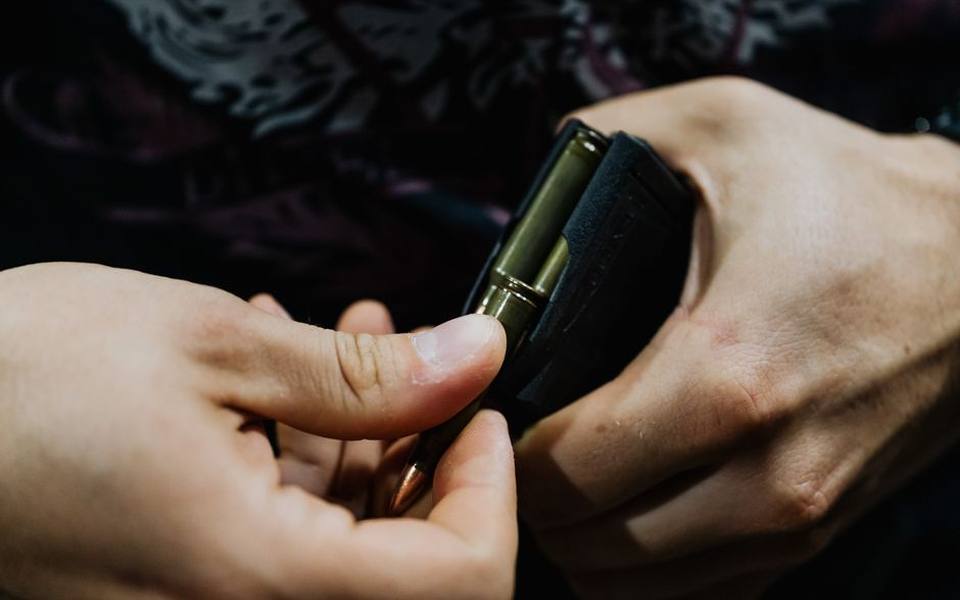
Full-seal protection is typically mandatory at regulated events. This means the frame must feature a continuous rubber, foam, or silicone gasket that sits flush against the contours of the wearer's face, preventing spherical pellets from skipping underneath the frame on oblique angles. Goggles with thermal dual-pane lenses remain the gold standard for humid conditions, as the sealed air pocket between the outer and inner glass minimizes fogging caused by body heat during heavy physical exertion.
Lower face protection protects fragile dental structures and nasal cartilage from irreversible ballistic trauma. Steel wire mesh half-masks paired with low-profile goggles offer the optimal compromise between impact deflection and ventilation, allowing players to communicate clearly over radios without muffling voice commands. Hybrid masks that integrate padded fabric cheeks with a central wire mesh front allow shooters to establish a tight, consistent cheek weld against their rifle stocks for accurate aiming.
Before stepping onto any live tactical field, inspect the sealing foam and elastic headband of your eyewear for signs of dry rot, cracking, or loss of tension. A strap that loosens during rapid tactical movements can create dangerous gaps around the eye orbits. Keep anti-fog sprays on hand and clean ballistic polycarbonate only with microfiber cloths, as abrasive paper towels can scratch optical coatings and degrade lens integrity over time.
Magazine Management and Field Speedloader Systems
In authentic milsim play, the rattling sound of high-capacity winding magazines is unwelcome, and most event organizers ban them entirely in favor of standard mid-capacity or realistic-capacity magazines. Mid-capacity options hold between thirty and one hundred and fifty rounds under continuous spring pressure, preventing the audible shake that gives away concealed positions. However, loading multiple mid-capacity magazines by hand between defensive stands is tedious and impractical without the right support tools.
A reliable airsoft speed loader serves as an indispensable piece of frontline equipment. Traditional pistol-magazine-sized push-rod loaders carry around ninety to one hundred rounds and easily fit inside standard utility pouches, allowing players to top off partially spent magazines during operational pauses. For rapid resupply at a forward base, crank-style loaders shaped like standard rifle magazines have become the preferred option, holding upwards of one thousand rounds and loading a complete magazine in under five seconds.
Operating mechanical crank loaders requires smooth, steady revolutions rather than forced pressure to prevent crushing fragile ammunition inside the feed ramp. Overfilling magazines can compress internal follower springs beyond their design tolerance, causing feeding jams or double-feeding issues once inserted into your rifle receiver. Keeping dust, mud, and sand out of loader feed nozzles is vital, as any particulate transferred from the loader into the magazine will inevitably migrate into the gun hop-up chamber.
Experienced tactical operators carry at least two independent loading mechanisms during prolonged engagements. Stowing a primary high-capacity crank loader in an assault pack alongside a secondary compact rod loader on a primary battle belt guarantees that you can replenish ammunition supplies even if your main field pack is dropped during an unexpected contact drill or hasty tactical retreat.
Low-Light Navigation and Tracer Unit Integration
Night operations introduce an entirely different dimension to military simulation games, demanding specialized equipment to identify targets, track fields of fire, and coordinate squad movements in complete darkness. Airsoft tracer units represent the primary illumination technology used to simulate real-world tracer ammunition. These compact cylindrical devices mount directly to the barrel muzzle threads, housing internal optical infrared or motion sensors that detect incoming rounds and pulse high-output ultraviolet light.
When luminescent phosphor-coated ammunition passes through the activation chamber, the flash excites the compound, turning each round into a bright, glowing streak that remains visible downrange for several seconds. Green luminous projectiles offer the highest visibility and light saturation, while red variants provide a more subdued visual signature favored by teams seeking to minimize detection. These muzzle units are especially popular when playing within an indoor field during low-light CQB evenings.
Modern muzzle units frequently incorporate simulated muzzle flash features that fire forward-facing amber or orange LEDs simultaneously with the internal UV pulse, creating an authentic visual flash that mimics powder combustion. When utilizing these units in tactical night games, keep in mind that every burst fired reveals your exact firing position to opposing forces equipped with night observation devices or adapted human vision, requiring shooters to use brief bursts and relocate immediately.
Maintaining tracer devices requires keeping the internal sensor lenses free of accumulated plastic dust and residue. Periodic cleaning with a dry cotton swab ensures that the photo sensors reliably detect high rates of fire without missing shots. Modern internal lithium batteries provide run times sufficient for several thousand rounds on a single charge, though keeping an external charging bank in your support kit prevents unexpected dropouts.
Electrical Power Systems and Battery Chemistry
The performance, trigger response, and operational reliability of an electric replica rifle depend largely on selecting the proper power source. A solid understanding of airsoft battery types ensures that your internal motor and electronic trigger unit receive stable voltage without burning out internal switch assemblies or swelling power cells under continuous heavy discharge during extended firefights.
Traditional nickel-metal hydride (NiMH) batteries are durable, forgiving of irregular charging habits, and unlikely to catch fire under physical shock, making them suitable choices for entry-level setups. However, they are heavy, bulky, and experience noticeable voltage drop-offs as their capacity depletes, resulting in sluggish semi-automatic trigger response toward the end of an operational cycle.
Lithium-polymer (LiPo) batteries have become the universal standard for modern tactical setups, providing incredible energy density and lightning-fast discharge rates in compact brick, stick, or nunchuck configurations that slip directly into crane stocks or mock buffer tubes. A 7.4-volt LiPo offers performance comparable to a bulkier 9.6-volt NiMH, while an 11.1-volt pack dramatically accelerates cyclic rates and trigger snap, provided the rifle is equipped with a protective MOSFET circuit to prevent electrical arcing.
Handling lithium-based cells requires strict safety habits. Never discharge a lithium pack below its critical cutoff threshold, as over-depleting the cells causes internal chemistry collapse, pouch swelling, and catastrophic failure. Always charge lithium packs inside a fire-resistant safety pouch using a dedicated smart balance charger that monitors individual cell voltages, and immediately retire any battery that exhibits puffing, physical punctures, or unusual heat buildup during operation.
Concealment Strategies and Ghillie Suit Selection
In deep woodland and rural tactical engagements, movement discipline and silhouette disruption dictate whether a scout or sniper survives behind enemy lines. The human eye is naturally drawn to hard geometric lines, symmetrical shapes, and unnatural color contrasts. A properly configured airsoft ghillie suit disrupts the unmistakable outline of the human head and shoulders, blending the operator seamlessly into surrounding terrain features.
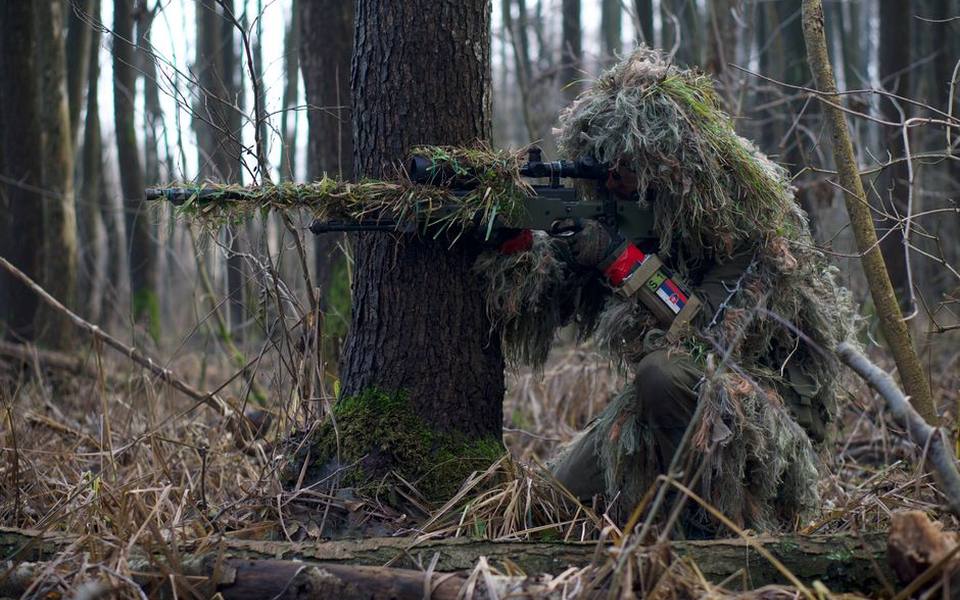
Full-body traditional suits constructed with heavy jute burlap offer unmatched concealment when prone, but they introduce serious operational penalties, including extreme heat retention, snagging on brush, and substantial bulk. Modern tactical snipers increasingly favor lightweight modular sniper capes, often known as viper hoods or concealment capes. These platforms cover only the head, shoulders, and upper back, leaving the chest clear for gear access and maximizing ventilation to prevent heat exhaustion.
Effective camouflage is never a simple off-the-shelf purchase. Factory suits provide only a baseline color mesh; true concealment requires garnishing the suit with fresh, living foliage native to your operational sector. Threading local ferns, grass clumps, leaves, and twigs into the elastic loops of your suit ensures your camouflage matches the exact seasonal foliage, texture, and light reflection of your specific combat environment.
Heat management is the primary danger when operating in dense camouflage. The trapped air within multi-layered burlap and synthetic fibers can cause rapid dehydration and heat exhaustion, especially during prolonged summer missions. Carry adequate hydration through a low-profile hydration reservoir, stay off your feet when stationary, and move deliberately through shadowed lanes rather than crossing exposed, sunlit clearings.
Tactical Communication Terminology and Field Protocol
High-performance gear cannot compensate for poor team coordination. During intense tactical engagements, radio channels quickly become chaotic unless operators adhere to clear, disciplined communication habits. Military tactical terms provide a standardized, universal shorthand that conveys complex spatial information, threat warnings, and squad directions in just a few decisive words under high stress.
Basic directional commands rely on standard clock directions, with twelve o'clock always representing the squad's direction of movement. Brevity codes streamline tactical actions: terms like 'contact' identify spotted hostiles, followed immediately by bearing, distance, and cover description. Phrases like 'bounding' confirm an operator is moving while teammates provide suppressive fire, while 'setting' or 'established' alerts the squad that the moving element has halted and is ready to cover the next advance.
Radio etiquette demands that operators avoid unnecessary chitchat and open-mic transmissions. The basic transmission protocol follows the format of identifying who you are calling, stating your callsign, and delivering the message cleanly and concisely. Clear confirmation terms like 'copy' or 'roger' acknowledge message receipt, while 'say again' requests a repeat of muffled transmissions, replacing informal conversational filler.
Coordinating team movements around doorways and blind corners requires shared tactical understanding. Knowing concepts like 'pieing the corner,' clearing 'fatal funnels,' and establishing 'cross-coverage' ensures squad members move through buildings smoothly without flagging one another or leaving vulnerable flanks exposed to enemy observation.
Specialty Training Equipment and Sidearm Conversion Kits
Many participants in modern military simulation use recreational gear as a direct cross-training bridge for real-world tactical shooting skills. For tactical athletes and sidearm owners seeking weapon manipulation practice, items like a 50 cal glock conversion kit or similar pistol-carbine chassis systems offer an affordable, non-lethal medium to practice dynamic entry, sight alignment, and recoil control without spending high sums on centerfire ammunition.
These specialty conversion systems typically house standard handgun platforms within an ergonomic carbine frame, providing extended top Picatinny rails for holographic optics, flashlight mounting points, and folding shoulder stocks. In law enforcement and civilian training environments, tactical conversion kits chambered in fifty-caliber non-lethal paint or powder mark targets definitively without the excessive energy levels associated with live duty rounds.
When integrating sidearm conversions or chassis kits into standard milsim games, verify compliance with local venue chronographs and field rules. Some specialized conversion chassis or large-bore marking systems fall outside standard recreational muzzle velocity limits, requiring adjustments to internal springs, regulators, or valve systems before they are permitted on competitive playing fields.
Training platforms that mimic the physical weight, trigger break, and holster draw of service sidearms build muscle memory that carries directly over to defensive pistol craft. Practicing magazine exchanges, malfunction clearances, and transition drills from long gun to secondary sidearm inside safe, regulated tactical facilities remains one of the most cost-effective defensive training methods available.
Application in Professional and Law Enforcement Training
The overlap between civilian recreational milsim and professional law enforcement exercises has grown substantially over the past decade. Agencies tasked with police tactical training routinely utilize force-on-force simulation equipment, marking projectiles, and dedicated shoot-houses to place officers in high-stress, decision-making scenarios that paper targets at static ranges simply cannot recreate.
Static firing lines develop marksmanship fundamentals, but dynamic shoot-houses teach situational awareness, target discrimination, and tactical de-escalation under adrenaline-fueled conditions. Facing an active human opponent who moves unpredictably, uses cover, and returns fire exposes tactical flaws in room clearing, weapon manipulation, and team communication that never appear during solo paper drills.
The psychological component of force-on-force exercises forces trainees to process auditory cues, scan for concealed threats, and manage tunnel vision in split seconds. Because non-lethal marking rounds cause noticeable localized stinging on impact, participants experience a healthy physiological stress response that closely mirrors the survival reflexes triggered during genuine critical incidents.
Many public tactical venues and commercial fields host dedicated weekday law enforcement training days or closed scenario exercises. These cross-disciplinary environments highlight the durability requirements of tactical gear: plate carriers, sling systems, and protective goggles that survive rigorous daily agency exercises will effortlessly endure the demands of any civilian weekend military simulation campaign.
Ammunition Logistics and Sourcing for Multi-Day Operations
Sustaining a squad through an extended operation requires a dependable supply of quality ammunition. Knowing where to buy airsoft bbs and understanding which weight classes suit your specific rifle configuration directly impacts your effective combat range, trajectory consistency, and internal hop-up reliability during decisive tactical engagements.
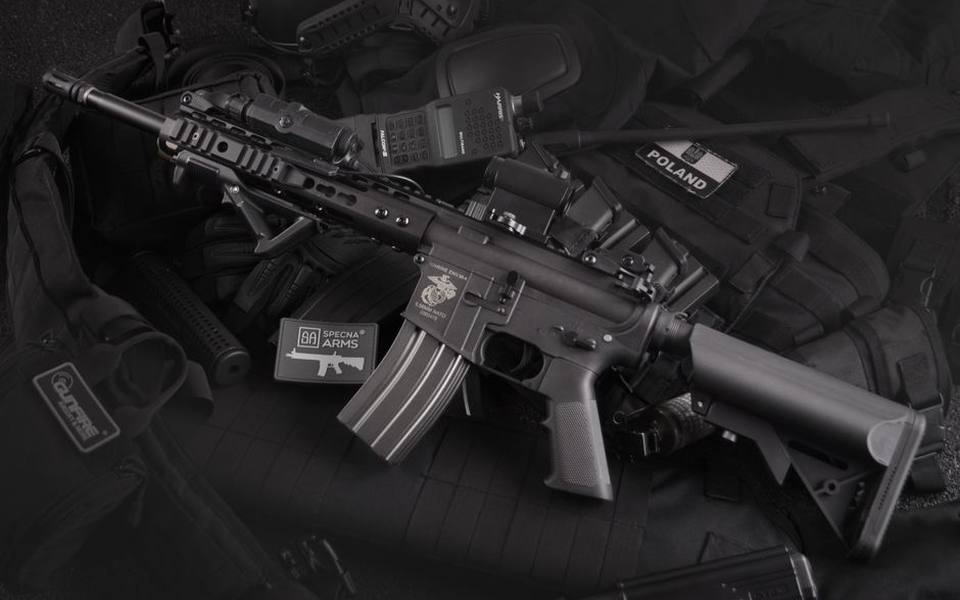
Choosing low-cost, unpolished, or seam-marked ammunition from general discount retailers frequently leads to jammed barrels, shattered hop-up buckings, and catastrophic gearbox lockups. Premium ammunition undergoes precision tumbling to ensure smooth spherical tolerances with zero internal air bubbles. Standard combat weights for outdoor operations generally range from 0.28 grams to 0.32 grams, providing the inertia needed to punch through light foliage and resist crosswind deflection far better than baseline 0.20-gram pellets.
Most organized wilderness events require certified biodegradable projectiles made from polylactic acid compounds that naturally decompose under soil microbes, UV exposure, and rainwater over several months. Carrying standard non-bio plastic pellets to outdoor operations can result in immediate disqualification and ejection from the facility, making it critical to confirm land-use policies before buying bulk quantities.
If you are gearing up for major regional gatherings, such as prominent tactical engagements hosted at large facilities listed under Paintball Fields in Texas, establish your logistics pipeline several weeks in advance. Buying high-grade biodegradable ammunition by the bulk case directly from specialized tactical distributors or verified field pro-shops guarantees batch consistency, saving money while ensuring your magazines feed flawlessly across long tournament weekends.
Published 2026-09-21 · reviewed with each rebuild, last October 2026.
Find paintball fields & fun centers near you
The directory lists 36,923 paintball fields & fun centers by state and city — pick your state or use the “Near me” button in the header.
More guides
-
 Service
Where and How to Refill Paintball CO2 and HPA Tanks
-
 Buying
A Guide to Purchasing Your Own Paintball Equipment
-
 Safety
Paintball vs Airsoft: Evaluating Impact, Costs, and Removing Stubborn Stains
-
 Money
MoneyHow Much Does Paintball Cost? Field Fees, Rental Packages, and Ammo Math
-
 Safety
Does Paintball Hurt? Safety, Bruises, Clothing, and Stains
-
 Buying
Where to Sell Used Paintball Guns Safely and Clean Up Gear
-
 Safety
Beginner's Guide to Paintball: Understanding Game Formats and Rules
-
 Money
MoneyPaintball Cost Guide: Equipment, Field Fees, and Play Prices
-
 Owning
How to Remove Paint and Acrylic Stains from Clothing and Fabrics
-
 Buying
Tactical and Military Boots: Brands, Comfort, and Field Selection
-
 Service
Corporate Team Building and Outdoor Adventure Events: The Complete Organizer's Guide
-
 Buying
Laser Tag Arenas, Equipment, and Home Party Rentals Guide
-
 Safety
LiPo Battery Maintenance, Safe Charging, and Balance Chargers for Gear
-
 Service
Indoor and Outdoor Paintball Fields: Venue Selection, Booking, and Rules
-
 Buying
Complete Paintball Equipment Guide: Markers, Air Tanks, Jerseys, and Field Attire
-
 Safety
Whitewater Rafting and River Adventure Parks: Destinations, Trips, and Safety Guide
-
 Safety
Airsoft Fields and Arenas Guide: Indoor vs Outdoor Venues, Rules, and Rentals
-
 Buying
Laser Tag Centers, Home Equipment, and Event Planning Complete Guide
-
 Service
Paintball Fields, Scenario Games, Night Ops, and Arena Booking Guide
-
 Safety
Ziplining and Aerial Trekking Parks: Top Courses, Safety Standards, and Booking
-
 Buying
Tactical Combat Boots Buying Guide: Military Specs, Fit, and Durability
-
 Owning
Paintball Marker Maintenance, Air Systems, and Tank Safety Guide
-
 Safety
What to Wear for Paintball: Clothing, Protective Gear, and Cleaning Paint Stains
-
 Safety
Paintball Age Limits, Tactics, and Corporate Event Planning
-
 Safety
Complete Guide to LiPo and RC Battery Chargers: Safety, Storage, and Voltage Care
-
 Owning
Paintball Video Games, Consoles, and Digital Arenas: An Off-Field Player Guide
-
 Service
CO2 Tank Refills and Compressed Air Systems: Options, Locations, and Safety Rules
-
 Owning
Archery Games Guide: Online Simulators to Adult Field Events
-
 Buying
Complete Airsoft Guns and Equipment Guide: Reviews, Rentals, and Legal Safety
-
 Owning
Paintball Gear & Maintenance Guide: Custom Apparel, Tank Fills, and Stain Removal
-
 Service
Ultimate Guide to Indoor Soccer Zones: Leagues, Facilities, and Play Options