Understanding the Modern Indoor Soccer Zone
An indoor soccer zone is a dedicated athletic facility designed for small-sided soccer games sheltered from weather extremes. Unlike traditional outdoor pitches, these arenas feature specialized artificial turf or hard-court surfaces surrounded by dasher boards or safety netting. The enclosed perimeter keeps the ball continuously in play, creating a fast-paced environment where quick touches, spatial awareness, and rapid transitions take priority over long sprinting distances. Whether you are stepping onto the pitch for casual pickup or organized league games, the structure fundamentally changes the flow of play.
Most commercial complexes divide their open warehouse space into multiple smaller pitches, often configured for five-a-side, six-a-side, or seven-a-side matches. The playing zones typically measure between 140 to 200 feet in length and 60 to 100 feet in width, depending on building architecture. Operating within an indoor field environment allows athletic centers to offer consistent game schedules throughout freezing winters and scorching summers, eliminating rainouts and unpredictable field conditions that disrupt standard seasonal leagues.
The zone concept also extends to spectator seating, warm-up tunnels, and team bench enclosures positioned right alongside the boards. Plexiglas shields, similar to those used in ice hockey, protect spectators from errant deflections while allowing clear visibility into the action. Because the walls are an active element of gameplay, players learn to bank passes off the dasher boards to bypass defenders, giving the sport a dynamic rhythm distinctly different from traditional grass matches.
Dasher Board Arenas Versus Open Futsal Courts
Indoor soccer generally splits into two primary formats: board-walled arena soccer and touchline-based futsal. Arena soccer utilizes perimeter dasher boards lined with synthetic turf, allowing the ball to stay active after contacting the perimeter. Futsal, by contrast, is contested on flat wooden or polyurethane gym floors without walls, enforcing standard touchlines where out-of-bounds balls result in kick-ins. Understanding the distinction helps players select the right gear, footwear, and competitive environment to match their physical capabilities.
Walled turf zones emphasize endurance and quick physical reaction times because the lack of stoppages keeps the cardiovascular demand high throughout each shift. Players cannot rely on a ball rolling out of bounds to catch their breath. The turf surface requires specific traction to prevent joint torquing, making specialized indoor or turf boots essential. Collisions along the dasher boards are an accepted physical reality, demanding good balance and body control from players battling for possession in the corners.
Open futsal setups cultivate technical foot skills, tight ball control, and passing precision using a smaller, heavier, low-bounce ball. Without perimeter boards to bail out an inaccurate pass, players must maintain tighter possession within compressed spatial boundaries. Many comprehensive sports complexes feature both styles, dedicating one wing to boarded turf zones and another to lined hard courts, allowing multi-sport athletes to cross-train across complementary competitive disciplines during the off-season.
Youth Indoor Soccer Leagues and Player Development
Youth indoor soccer leagues play a crucial developmental role in North American youth sports, keeping young athletes active during the winter freeze or midsummer heatwaves. Coaches frequently use small-sided indoor zones to accelerate skill progression because each child touches the ball significantly more times per minute than on a full-size outdoor pitch. The immediate feedback loop of an enclosed zone forces youth players to make decisions under pressure, sharpen their peripheral vision, and adapt to rapid counterattacks.
Age brackets typically start as early as under-six micro divisions and progress through high school showcase tiers. In early developmental divisions, referees enforce modified non-contact rules around the boards to protect developing joints and ensure safety. Games are typically divided into two twenty-minute or twenty-five-minute running halves, maximizing playing time within tight facility schedules. Many youth academies use indoor leagues as supplementary technical training rather than primary competitive campaigns, emphasizing ball handling over scoreboard outcomes.
Parents evaluating youth indoor programs should assess facility supervision, coach-to-player ratios, and divisional parity. Reputable centers separate competitive club teams from recreational rosters to ensure balanced games and prevent player discouragement. Entering a properly tiered youth division ensures children develop confidence on the ball, build cardiovascular stamina, and learn the unique tactical nuances of short-field positioning before returning to full-length grass fields in the spring.
Community Recreation and YMCA Indoor Programs
For families and casual adult players seeking affordable, low-pressure entry into the sport, community recreation centers and local YMCA branches provide dependable options. Community indoor leagues prioritize participation, fair playing time, and character development over fierce competition. Most YMCA programs utilize multi-purpose gymnasium floors rather than padded turf arenas, hosting modified indoor rules that keep equipment costs minimal while providing a structured, family-friendly league schedule close to home.
These community programs serve as an ideal entry point for beginners who may feel intimidated by the high-speed intensity of private, commercial turf facilities. Registration fees at non-profit recreation centers are typically lower than commercial zone memberships, often including basic team t-shirts and scheduled practice slots. Volunteer coaches guide instructional drills before weekly games, teaching basic fundamentals such as inside-foot passing, spatial spacing, defensive recovery, and basic goalkeeping mechanics in a supportive environment.
Adult community divisions run alongside youth programs, offering coed, over-thirty, and open recreational brackets on weekday evenings and weekend mornings. These recreational divisions enforce strict non-slide-tackle rules to protect participants who need to work the next day. Joining a community league provides steady exercise and neighborhood camaraderie without requiring expensive team travel, high-tier tournament entry fees, or long-term contractual commitments to a private sports syndicate.
Professional Indoor Soccer and Elite Training Arenas
At the top of the competitive pyramid sits professional arena soccer, governed in North America primarily by leagues such as the Major Arena Soccer League. Professional indoor facilities adhere to rigid architectural and safety guidelines, featuring full-sized international dasher boards, tempered seamless glass, commercial-grade infill turf, and integrated digital shot clocks. Professional matches consist of four fifteen-minute quarters, featuring free-flowing tactical substitutions on the fly identical to professional ice hockey rotations.
Elite indoor soccer demands specialized athletic profiles. Professional indoor athletes possess explosive acceleration, physical strength to shield opponents along the dasher boards, and precision shooting capabilities from tight angles. Goalkeeping in the professional indoor circuit is uniquely demanding, requiring acrobatic reaction saves, rapid recovery off the turf, and aggressive distribution to initiate odd-man counterattacks. Penalty boxes, power plays, and sixth-attacker tactical overloads add layers of chess-like strategy absent from outdoor grass matches.
Top-tier training facilities open their professional-grade pitches to elite youth academies and amateur showcase leagues during off-peak hours. Training on a surface certified for professional play allows competitive athletes to experience high-traction turf systems that reduce joint wear while facilitating rapid ball speeds. Observing professional practices or attending arena matches gives aspiring players practical insights into spatial movement, timing board rebounds, and maintaining defensive shape against aggressive offensive overloads.
Winter Leagues in Mountain Regions and Utah Facilities
Geographic climate heavily dictates the density and operational rhythm of indoor sports centers across the country. In cold, mountainous regions such as the Intermountain West, outdoor grass pitches become unplayable under heavy snow from late autumn through mid-spring. Consequently, indoor soccer throughout Utah and neighboring alpine states experiences massive seasonal surges, with multi-field complexes along the Wasatch Front running continuous leagues from dawn until midnight to accommodate local demand.
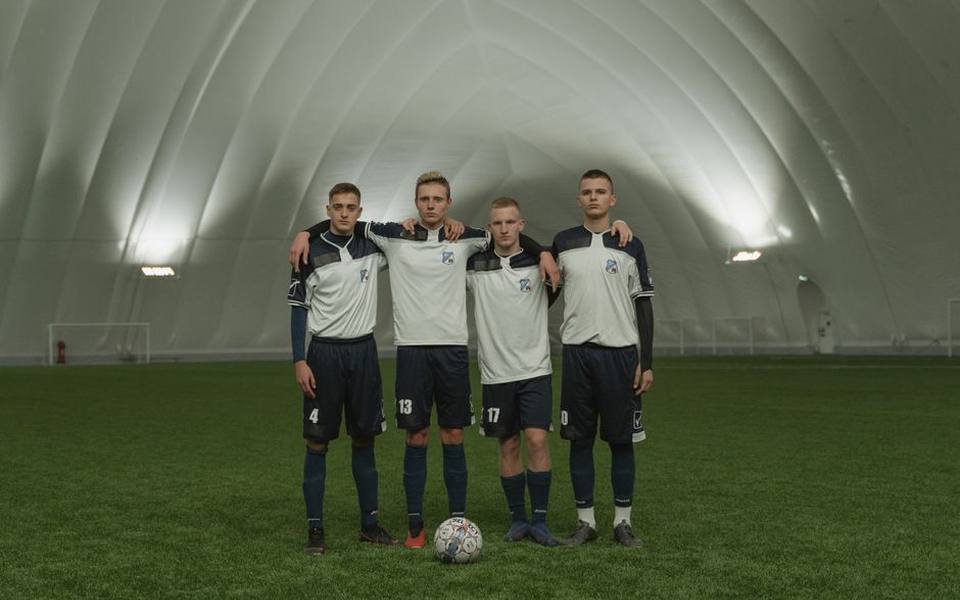
Facilities in cold-weather regions must invest heavily in high-output climate control and air circulation systems to manage condensation during freezing winter nights. Complexes in northern valleys often incorporate full-span steel truss designs, housing multiple full-sized boarded arenas under one roof alongside fitness mezzanine decks. The density of competitive youth clubs in these areas means indoor winter leagues are fiercely contested, serving as mandatory conditioning circuits that sustain tactical sharpness between outdoor fall and spring state cup schedules.
Adult open and corporate divisions also thrive in mountain sports hubs, providing vital physical activity during months when outdoor recreation is largely limited to snow sports. Because winter field slots fill rapidly, teams typically register months in advance to secure desirable prime-time kickoffs. Facility operators often balance these schedules by hosting daytime adult lunch pickup sessions and midnight college leagues, maximizing the daily utility of heated indoor turf acreage.
Year-Round Soccer Culture in Southern Metroplexes
In contrast to northern facilities driven by winter freezes, indoor complexes across the American South operate as critical sanctuaries from oppressive summer heat and violent storm fronts. In major urban centers throughout the Southwest, indoor soccer zone Dallas facilities maintain robust enrollment twelve months a year. When daytime heat indexes routinely climb past triple digits, air-conditioned sports complexes allow youth leagues, elite academies, and adult recreational groups to train safely in climate-controlled comfort.
The sheer volume of players in large southern metropolitan areas supports highly specialized indoor sub-leagues. Facilities across Texas offer dedicated veteran brackets, collegiate elite flights, coed leagues, and weekend corporate challenge brackets. Similar to the extensive footprint of regional action venues like Paintball Fields in Texas, multi-acre suburban sports centers often house three to four indoor fields alongside pro shops, athletic training gyms, and private locker rooms.
Southern indoor centers also showcase significant cultural diversity in playing styles, merging traditional American collegiate speed with technical short-passing influences from Latin American futsal. The resulting game play is exceptionally fast, technical, and community-oriented. Many facilities feature second-floor sports bars and viewing lounges overlooking the pitches, transforming standard weekly recreational league matches into vibrant social gatherings where families and teammates socialize long after the final whistle blows.
Footwear, Protective Gear, and Safety Guidelines
Selecting the correct footwear is the single most important safety decision an indoor soccer player makes. Traditional outdoor cleats with hard molded plastic or metal studs are strictly prohibited in almost all indoor zones because they damage artificial turf carpets and pose severe injury risks to ankles and knees. On short-pile carpet turf, flat indoor court shoes with non-marking gum rubber outsoles or specialized turf shoes with dozens of tiny rubber nubs provide the necessary balance of traction and release.
Protective gear requirements for indoor play mirror outdoor regulations with a few indoor-specific considerations. Shin guards are mandatory across all sanctioned youth and adult divisions, and they must be fully covered by athletic socks. Because dasher boards and concrete perimeter foundations present hard impact surfaces, players should choose form-fitting compression layers with light hip or knee padding if they frequently contest balls along the perimeter walls. Goalkeepers routinely wear reinforced pants to withstand repeated dives on abrasive turf fibers.
Board awareness is a critical safety skill that requires conscious adjustment for outdoor players transitioning inside. Pushing or checking opponents into the dasher boards is considered dangerous play and results in immediate penalties or blue-card time-outs across reputable facilities. Players should learn to cushion their momentum using hands and forearms rather than leading with shoulders when approaching the perimeter at full speed, reducing the incidence of wrist fractures and head impacts.
Private Rentals, Pickups, and Multi-Sport Events
Beyond structured weekly league play, indoor soccer zones generate substantial operational activity through hourly field rentals, lunchtime pickup sessions, and private community gatherings. Pickup soccer runs operate on a drop-in basis, where facility staff organize rotating teams based on arrival order, providing a flexible option for shift workers and casual athletes who cannot commit to an eight-week league schedule. Field rental rates depend on the time of day, with off-peak morning and late-night slots offering significant discounts.
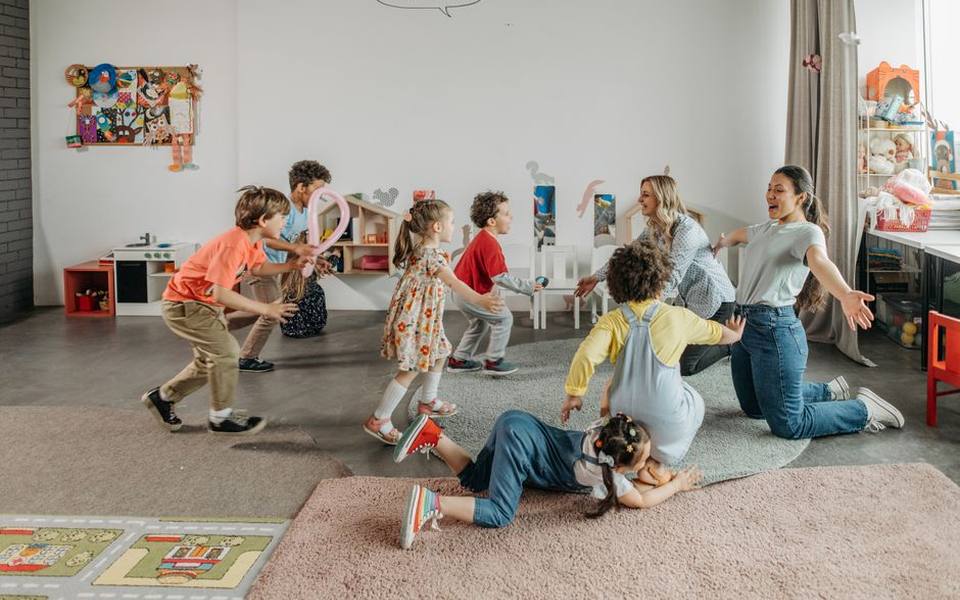
Sports complexes also frequently package their turf fields for private team celebrations, corporate team-building events, and youth birthday parties. Much like entertainment centers that offer structured party packages, indoor soccer centers provide dedicated party rooms, referee hosts, and organized mini-tournaments for groups. Some facilities diversify their square footage further by hosting lacrosse, dodgeball, or fitness boot camps on the turf during daytime lulls.
Large-format action sports venues increasingly adopt cross-disciplinary layouts, pairing indoor soccer pitches with batting cages or even dedicated tactical arenas. Athletes who enjoy high-intensity team coordination often cross over between sports, with some centers coordinating schedules alongside operators who host airsoft games on-site or laser tag within the same commercial sports park. This multi-use facility model creates a vibrant athletic hub capable of sustaining family entertainment across diverse seasonal interests.
Evaluating Facility Maintenance and Playing Surfaces
Before registering your team or enrolling your child in a season-long program, inspect the overall physical condition of the facility. High-traffic indoor sports complexes endure immense wear and tear, and poorly maintained turf can increase the likelihood of joint strain and turf burn injuries. Walk the perimeter of the field to ensure the turf seams are tightly bonded without visible gaps, lifting edges, or uneven patches where players could catch their toes during rapid acceleration.
Dasher board safety requires equal scrutiny. The boards should be sturdy, vertical, and free from cracked acrylic glass panels, sharp aluminum edges, or misaligned access doors that could swing open under player impact. Protective safety netting suspended above the glass must be taut and free of holes to prevent wayward shots from striking spectators or damaging overhead lighting fixtures. A clean, well-maintained arena indicates an ownership team committed to player welfare.
Finally, assess the facility's air circulation, lighting clarity, and cleanliness across the bench areas and team restrooms. High-intensity indoor athletics generate significant humidity and odors; modern ventilation systems should keep the playing zone cool, dry, and comfortable. Reliable management practices, clear league rule enforcement, and attentive on-site staff ensure that your investment in indoor soccer yields a rewarding, safe, and physically challenging athletic experience season after season.
Published 2026-09-21 · reviewed with each rebuild, last October 2026.
Find paintball fields & fun centers near you
The directory lists 36,923 paintball fields & fun centers by state and city — pick your state or use the “Near me” button in the header.
More guides
-
 Service
Where and How to Refill Paintball CO2 and HPA Tanks
-
 Buying
A Guide to Purchasing Your Own Paintball Equipment
-
 Safety
Paintball vs Airsoft: Evaluating Impact, Costs, and Removing Stubborn Stains
-
 Money
MoneyHow Much Does Paintball Cost? Field Fees, Rental Packages, and Ammo Math
-
 Safety
Does Paintball Hurt? Safety, Bruises, Clothing, and Stains
-
 Buying
Where to Sell Used Paintball Guns Safely and Clean Up Gear
-
 Safety
Beginner's Guide to Paintball: Understanding Game Formats and Rules
-
 Money
MoneyPaintball Cost Guide: Equipment, Field Fees, and Play Prices
-
 Owning
How to Remove Paint and Acrylic Stains from Clothing and Fabrics
-
 Buying
Tactical and Military Boots: Brands, Comfort, and Field Selection
-
 Service
Corporate Team Building and Outdoor Adventure Events: The Complete Organizer's Guide
-
 Buying
Laser Tag Arenas, Equipment, and Home Party Rentals Guide
-
 Safety
LiPo Battery Maintenance, Safe Charging, and Balance Chargers for Gear
-
 Service
Indoor and Outdoor Paintball Fields: Venue Selection, Booking, and Rules
-
 Buying
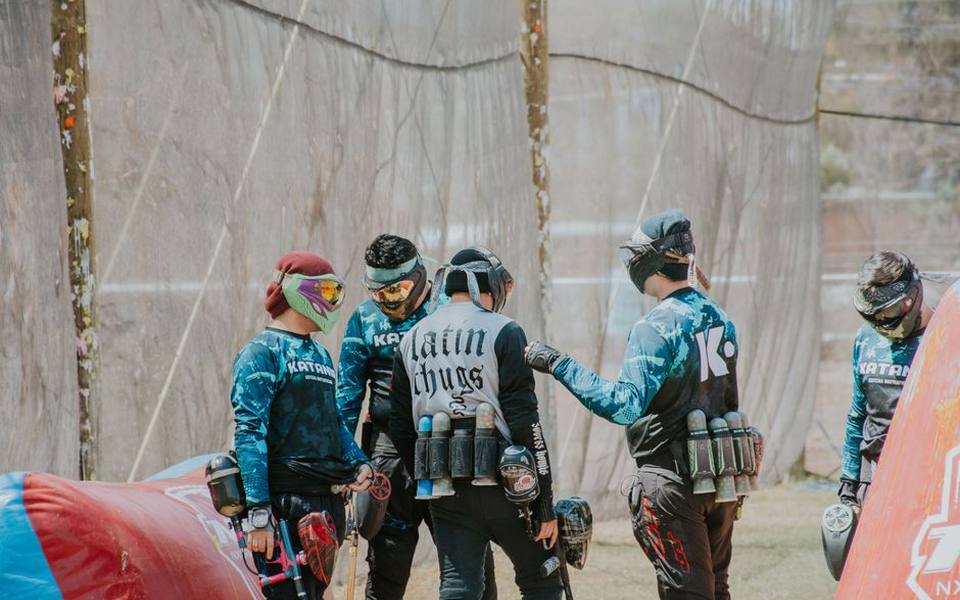
Complete Paintball Equipment Guide: Markers, Air Tanks, Jerseys, and Field Attire
-
 Safety
Whitewater Rafting and River Adventure Parks: Destinations, Trips, and Safety Guide
-
 Safety
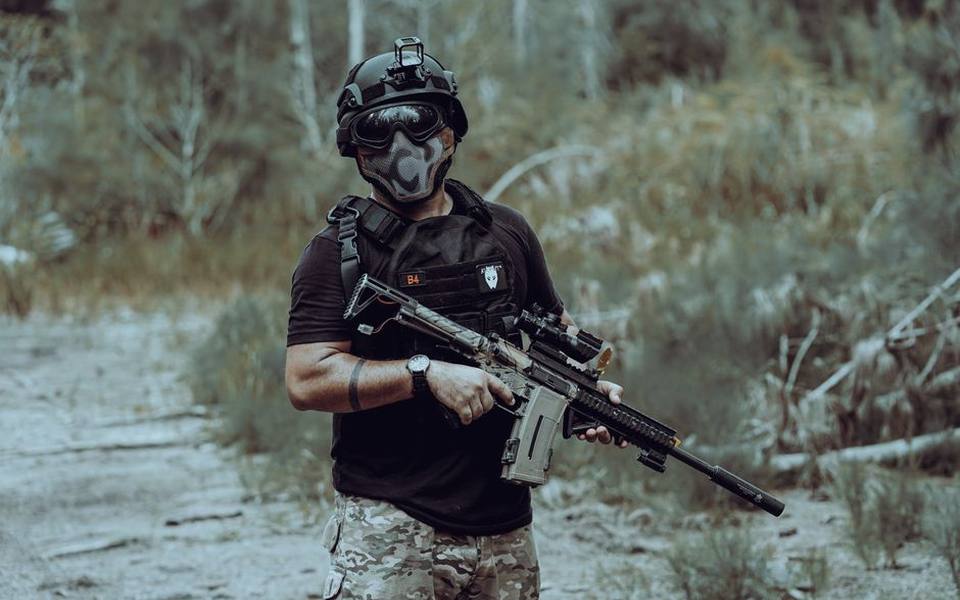
Airsoft Fields and Arenas Guide: Indoor vs Outdoor Venues, Rules, and Rentals
-
 Buying
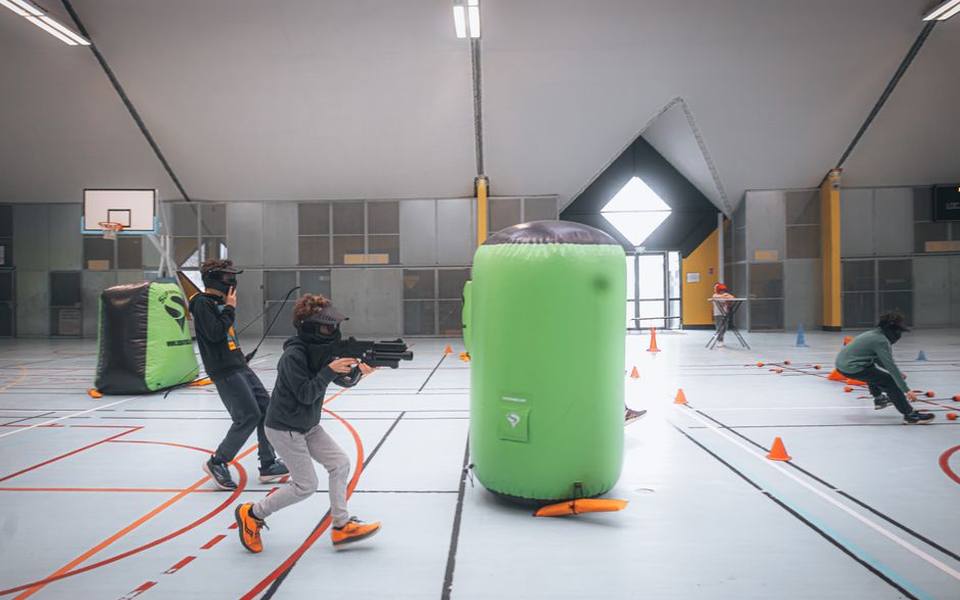
Laser Tag Centers, Home Equipment, and Event Planning Complete Guide
-
 Service
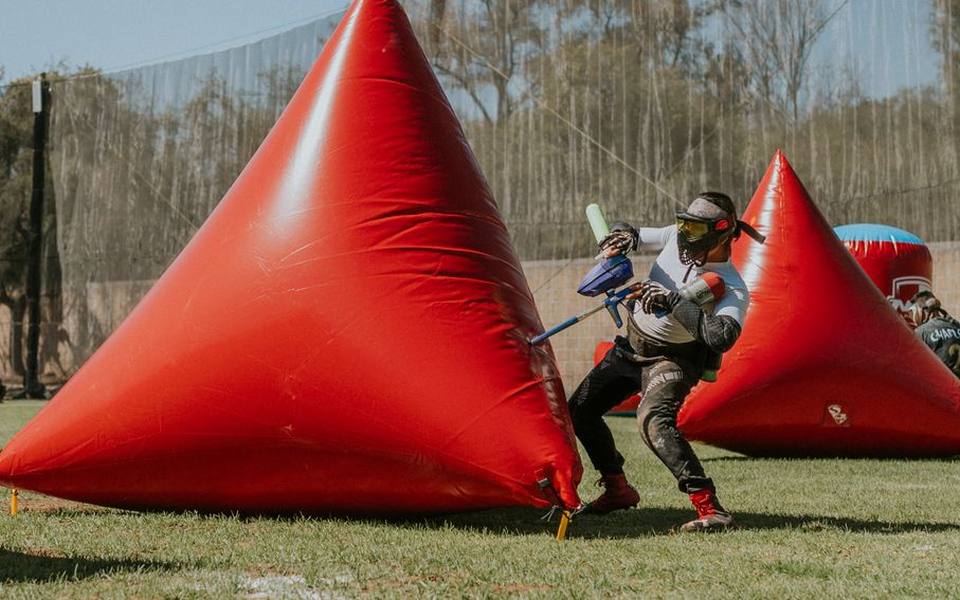
Paintball Fields, Scenario Games, Night Ops, and Arena Booking Guide
-
 Safety
Ziplining and Aerial Trekking Parks: Top Courses, Safety Standards, and Booking
-
 Buying
Tactical Combat Boots Buying Guide: Military Specs, Fit, and Durability
-
 Owning
Paintball Marker Maintenance, Air Systems, and Tank Safety Guide
-
 Safety
What to Wear for Paintball: Clothing, Protective Gear, and Cleaning Paint Stains
-
 Owning
Airsoft Gear and Milsim Accessories: Speedloaders, Tracers, and Camouflage
-
 Safety
Paintball Age Limits, Tactics, and Corporate Event Planning
-
 Safety
Complete Guide to LiPo and RC Battery Chargers: Safety, Storage, and Voltage Care
-
 Owning
Paintball Video Games, Consoles, and Digital Arenas: An Off-Field Player Guide
-
 Service
CO2 Tank Refills and Compressed Air Systems: Options, Locations, and Safety Rules
-
 Owning
Archery Games Guide: Online Simulators to Adult Field Events
-
 Buying
Complete Airsoft Guns and Equipment Guide: Reviews, Rentals, and Legal Safety
-
 Owning
Paintball Gear & Maintenance Guide: Custom Apparel, Tank Fills, and Stain Removal