Getting Started with Modern Airsoft Equipment
Jumping into airsoft often starts with a choice between buying gear immediately or trying out what is available at a local staging area. Airsoft replicas look, weigh, and handle remarkably like real firearms, but they operate on distinct mechanical principles that rely on compressed gas, battery power, or manual springs. Before spending hard-earned money on a dedicated setup, prospective players need to understand how these platforms perform under real match conditions, how velocity affects gameplay, and which safety standards protect everyone on the field.
A common misstep for first-time players is ordering an inexpensive model online based purely on visual appeal. Low-tier replicas often feature brittle plastic gearboxes, inconsistent hop-up units, and non-standard parts that make simple repairs impossible. Testing the waters first through venue rentals gives players hands-on exposure to weight balances, trigger response, and overall durability. It also shows you what kind of roles you naturally prefer, whether that involves clearing corners or maintaining medium-range containment across open terrain.
Local rules, legal classifications, and match formats vary significantly depending on where you play. While federal guidelines govern the initial sale and shipment of replicas, local ordinances dictate where you can carry and discharge them. Understanding these distinctions early prevents costly equipment blunders and keeps interactions with law enforcement and field officials completely routine and stress-free.
What to Expect from Airsoft Rental Guns
For newcomers and casual group outings, reserving airsoft rental guns is the most practical way to spend a day playing without a massive upfront investment. Rental packages typically supply a standard automatic electric gun, one or two high-capacity magazines, an eye protection mask, and a fully charged battery. Facilities maintain these loaner fleets to withstand heavy handling, dirt exposure, and continuous firing throughout weekend sessions, making them dependable even if they lack high-end custom tuning.
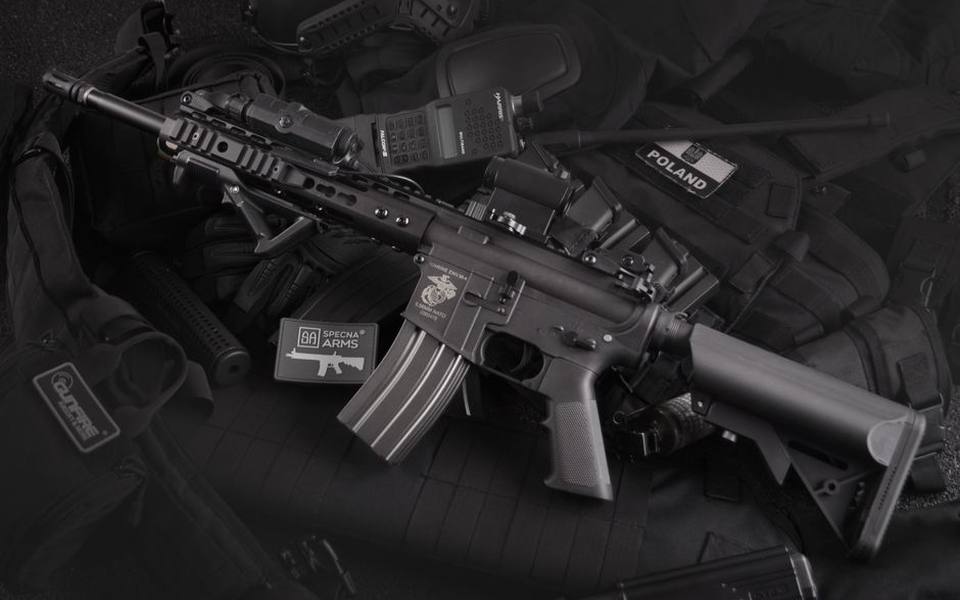
Rental platforms are generally based on popular assault rifle profiles that feature durable nylon polymer bodies. While these models might show surface scuffs from past matches, good field operators service the gearboxes and clean the inner barrels between game days. The rental staff will also set the replica to a balanced muzzle velocity, typically around three hundred and fifty to four hundred feet per second with standard match pellets, ensuring the equipment meets local safety regulations immediately.
When checking out a rental package, inspect the fire selector switch, test the magazine release catch, and verify that the barrel plug or barrel sleeve is firmly attached. If the trigger feels unresponsive or BBs drop off sharply after twenty feet, ask the staging ref for a replacement before the match briefing begins. Checking out airsoft games on-site allows you to evaluate different handling weights and ergonomics before committing your budget to a personal primary replica.
How to Evaluate Airsoft Guns Reviews and Performance Metrics
Deciphering airsoft guns reviews requires looking beyond polished promotional videos and focusing on internal component specs. Many sponsored evaluations praise external metal finishes while glossing over fragile zinc-alloy gears or weak motor magnets. A thorough review should scrutinize the gearbox shell design, whether the cylinder head seals reliably, and whether the internal wiring includes a modern electronic trigger unit or basic copper contacts prone to arching wear over time.
Consistency is far more critical than raw muzzle velocity when reading chronograph data in an equipment review. A rifle that shoots at three hundred and eighty feet per second with a variance of only two feet per second between shots will deliver far tighter groupings than a high-velocity build fluctuating wildly by twenty feet per second. Quality reviews evaluate shot-to-shot compression consistency, hop-up bucking hardness, and how well the chamber retains adjustment during rapid semi-automatic firing.
Durability under real field conditions should carry more weight than benchtop accuracy tests. Look for player feedback covering hundreds of cycles across multiple weather conditions, as temperature changes often reveal flaws in air seals and battery performance. Platforms with readily available modular parts and standard version-two or version-three gearbox compatibility usually receive the best long-term ratings because replacement parts and upgrade components are widely available at affordable prices.
Choosing Between Electric, Gas, and High-Pressure Air Systems
Selecting your main platform comes down to how much maintenance you want to perform and what type of shooting experience you prefer. Automatic Electric Guns, commonly known as AEGs, represent the backbone of the sport because they are reliable, affordable to run, and simple to recharge between rounds. Driven by an electric motor and spring-loaded piston, AEGs perform consistently in freezing cold or sweltering heat, making them the default recommendation for primary rifles.
Gas blowback systems offer unmatched realism through mechanical cycling, bolt lock back on empty magazines, and simulated recoil impulse. However, gas rifles and pistols require frequent lubrication of rubber O-rings and cleaning of slide rails to avoid cycling jams. Gas magazines also hold significantly fewer rounds, cost substantially more per unit, and suffer from pressure drops during rapid fire or cold weather due to liquid propellant expansion characteristics.
High-Pressure Air systems use an external pressurized tank connected via a flexible line to an internal solenoid engine. HPA delivers instantaneous trigger response, fully customizable velocity settings, and whisper-quiet operation, but it requires wearing an air tank in a backpack and paying for regular compressor fills. For most beginners and intermediate players, a well-built AEG balances cost, ease of use, and competitive performance without additional tethered tanks.
Federal Regulations and Airsoft Guns Without Orange Tip Muzzle Devices
Under federal law in the United States, specifically Title 15 of the Code of Federal Regulations, all airsoft replicas must be manufactured, imported, and sold with a blaze orange plug or permanent orange tip affixed to the muzzle. This marking allows customs officers, shipping couriers, and retailers to distinguish toy replicas from operational firearms during transit. Once an individual owns the replica, federal law does not explicitly prohibit removing the orange tip on private property, which leads many players to ask about airsoft guns without orange tip attachments.
Despite federal sales allowances, state and municipal laws introduce strict additional layers that every owner must respect. Certain jurisdictions, such as regional codes in New York or state mandates for recreational facilities in California, enforce explicit marking rules that require fluorescent rings, barrel markings, or colored tape even after purchase. Displaying an unmarked replica anywhere outside a private home or sanctioned game field can lead to criminal charges, confiscation, or tragic encounters with local law enforcement officers who must treat any unmarked muzzle as an active firearm threat.
Most private fields permit players to install black flash hiders, mock suppressors, or tracer units once they are inside the secure perimeter of the venue, provided the replica stays inside a closed gun bag during transit. If you choose to replace the factory orange muzzle for realistic match photography or tracer compatibility, always verify the specific rulebook of your destination facility beforehand. When traveling between venues or storing gear in your vehicle, keeping an orange protective cover or barrel sock over the muzzle remains a vital safety habit.
Field Velocity Limits and Chronograph Standards
Every reputable airsoft field enforces mandatory chronograph testing before admitting any replica into regular gameplay. Staff members measure projectile speed using standardized match pellets, calculating the kinetic energy output in joules to prevent unnecessary skin lacerations and equipment damage. Because lighter BBs travel faster while heavier BBs carry momentum deeper downrange, modern limits are increasingly calibrated to total kinetic energy rather than raw feet per second alone.
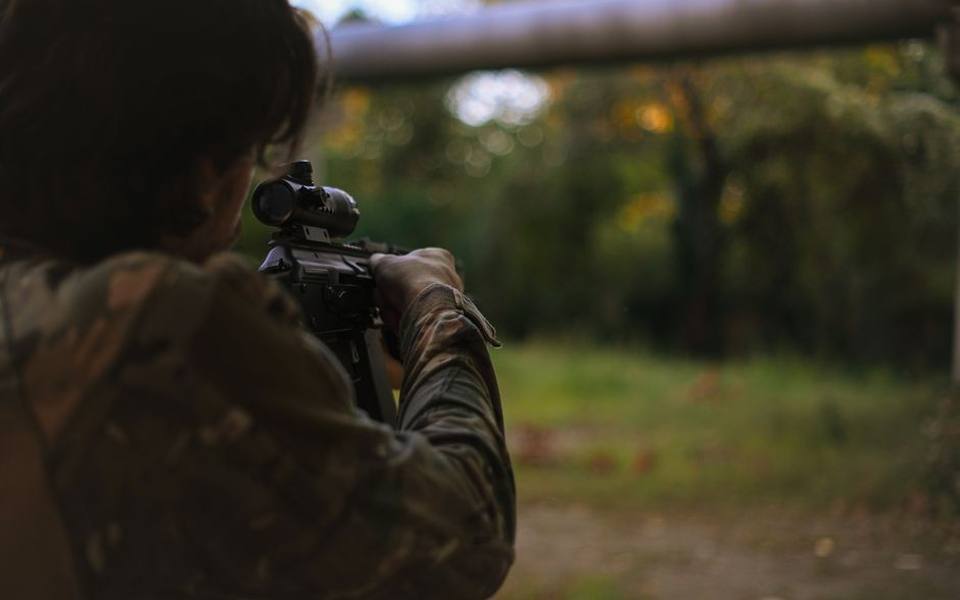
Indoor arenas typically cap velocities at approximately one joule, which translates to roughly three hundred and twenty to three hundred and fifty feet per second using a twenty-gram BB. Outdoor venues with expansive fields and longer engagement spaces allow higher ceilings, often permitting standard riflemen up to one point five joules. Specialty platforms like bolt-action sniper rifles often receive higher allowances, but they are restricted by mandatory minimum engagement distances that prohibit firing at opponents within close proximity.
Failing a morning chronograph inspection means your replica stays in the staging paddock until adjustments are made. Replicas equipped with quick-change spring guides make lowering your velocity relatively painless by letting you swap in a softer internal spring in minutes. Bringing multiple spring ratings or an adjustable regulator for gas and air platforms ensures you can adapt smoothly to whatever facility limits are posted for the day.
Protective Face Gear and Eye Safety Requirements
Eye protection is the single piece of equipment where compromise is impossible. Impact ratings matter far more than comfort or aesthetics, as standard sunglasses or hardware goggles lack the structural integrity to stop direct BB impacts. Fields mandate full-seal eyewear certified to ANSI Z87.1 or military ballistic fragmentation ratings, meaning no gaps exist around the temples, cheeks, or forehead where a stray pellet could enter.
Dental protection is equally vital when moving through close-quarters environments. While some experienced adult players run low-profile balaclavas, steel mesh lower face masks provide structural barriers that deflect direct hits away from vulnerable teeth and gums without trapping humid breath. High-impact collisions with bunker corners or tripping on uneven terrain can also push loose eye gear out of alignment, making a secure retention strap essential.
Anti-fogging capabilities determine how comfortably you will play throughout a long afternoon match. Thermal dual-pane lenses, micro-fan systems, and dedicated anti-fog sprays prevent warm moisture from blinding your vision during intense tactical rushes. Removing your mask while active inside the game arena to clear fog is strictly prohibited everywhere and will result in an immediate expulsion from the property.
Selecting Quality BBs, Batteries, and Propellants
The ammunition you choose has a major influence on internal component lifespan and downrange trajectory. Cheap, low-grade BBs often contain internal air pockets, rough mold seams, and inconsistent diameters that can jam inside tight-bore barrels or shatter against hop-up nubs. Using polished, seamless pellets weighing at least twenty-five hundredths of a gram stabilizes your flight path in light wind and prevents costly internal gearbox jams.
Many modern outdoor locations now mandate certified biodegradable BBs made from polylactic acid compounds. These pellets decompose naturally over several months when exposed to soil microbes and outdoor weather cycles, preventing massive plastic buildup across playing zones. High-quality bio BBs perform identically to traditional plastic ammunition during match play, provided you store them in sealed containers away from heat and direct ambient moisture.
Powering electric platforms requires pairing the proper battery chemistry with your gun's internal switch design. Lithium-polymer batteries deliver outstanding trigger response and high discharge rates, but they require smart balancing chargers and careful voltage monitoring to avoid cell degradation. For gas-operated replicas, choosing between regular green gas, lubricated propane, and disposable carbon dioxide cartridges depends on environmental temperatures and manufacturer valve specifications.
Safe Storage and Transportation Protocols
Transporting airsoft equipment safely requires the exact same discipline you would apply to conventional sports equipment and firearms. Because high-end replicas look indistinguishable from real weapons at a distance, carrying an unbagged replica in the passenger cabin of a vehicle or in public view invites dangerous misunderstandings. Replicas must always travel enclosed inside dedicated padded gun cases, durable range bags, or original factory boxes.
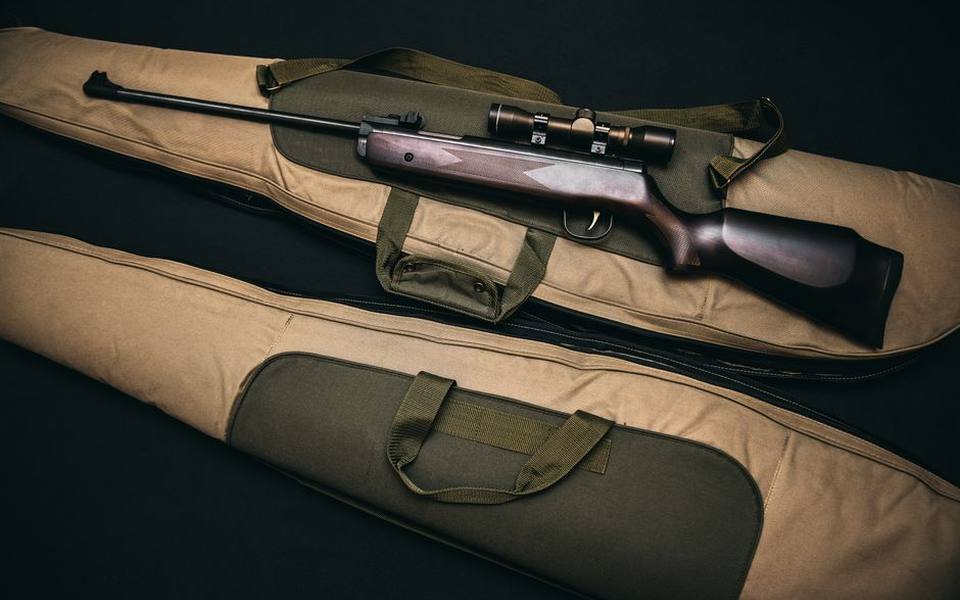
Before zipping up your transport bag, clear the firing chamber, remove the magazine, and disconnect any battery or gas source. Affixing a brightly colored barrel condom or muzzle blocker over the tip provides an immediate visual cue that the platform is safe and prevents residual pellets from escaping if a trigger gets bumped accidentally during handling. Storing magazines empty also preserves the internal spring tension, ensuring dependable feeding during your next game.
At home, store your replicas out of sight in a temperature-controlled environment away from children and unauthorized individuals. Extreme heat in vehicle trunks or uninsulated garages can warp plastic receiver shells, ruin hop-up buckings, and degrade lithium battery packs. Keeping your gear locked in a closet or gear locker maintains equipment value and reinforces safety habits across your household.
Finding the Right Playing Venues and Community Formats
Choosing where to play shapes the equipment choices you make over time. Players interested in fast-paced, close-quarters maneuvering often seek out an indoor field where matches feature short engagement distances, flat floors, and climate-controlled arenas. These environments favor short-barreled carbines, lightweight pistol builds, and illuminated tracer units that illuminate BB trajectories in low-light corridors.
Outdoor woodland parks and expansive military simulation environments offer wide-open natural terrain where camouflage, long-range accuracy, and stamina play decisive roles. Broad tactical spaces allow snipers, designated marksmen, and support gunners with heavy drum magazines to control defensive sightlines. Across regional fields in Texas and neighboring states, outdoor gameplay frequently integrates complex objective missions, vehicle convoys, and multi-hour scenario play.
If you are organizing a birthday match or corporate team-building outing, several commercial venues offer specialized party packages that bundle rental replicas, protective gear, dedicated field marshals, and private arena access. Utilizing coordinated venue packages removes the stress of gear logistics, guarantees that every participant uses balanced equipment, and ensures an enjoyable, professionally supervised introduction to the sport.
Published 2026-09-21 · reviewed with each rebuild, last October 2026.
Find paintball fields & fun centers near you
The directory lists 36,923 paintball fields & fun centers by state and city — pick your state or use the “Near me” button in the header.
More guides
-
 Service
Where and How to Refill Paintball CO2 and HPA Tanks
-
 Buying
A Guide to Purchasing Your Own Paintball Equipment
-
 Safety
Paintball vs Airsoft: Evaluating Impact, Costs, and Removing Stubborn Stains
-
 Money
MoneyHow Much Does Paintball Cost? Field Fees, Rental Packages, and Ammo Math
-
 Safety
Does Paintball Hurt? Safety, Bruises, Clothing, and Stains
-
 Buying
Where to Sell Used Paintball Guns Safely and Clean Up Gear
-
 Safety
Beginner's Guide to Paintball: Understanding Game Formats and Rules
-
 Money
MoneyPaintball Cost Guide: Equipment, Field Fees, and Play Prices
-
 Owning
How to Remove Paint and Acrylic Stains from Clothing and Fabrics
-
 Buying
Tactical and Military Boots: Brands, Comfort, and Field Selection
-
 Service
Corporate Team Building and Outdoor Adventure Events: The Complete Organizer's Guide
-
 Buying
Laser Tag Arenas, Equipment, and Home Party Rentals Guide
-
 Safety
LiPo Battery Maintenance, Safe Charging, and Balance Chargers for Gear
-
 Service
Indoor and Outdoor Paintball Fields: Venue Selection, Booking, and Rules
-
 Buying
Complete Paintball Equipment Guide: Markers, Air Tanks, Jerseys, and Field Attire
-
 Safety
Whitewater Rafting and River Adventure Parks: Destinations, Trips, and Safety Guide
-
 Safety
Airsoft Fields and Arenas Guide: Indoor vs Outdoor Venues, Rules, and Rentals
-
 Buying
Laser Tag Centers, Home Equipment, and Event Planning Complete Guide
-
 Service
Paintball Fields, Scenario Games, Night Ops, and Arena Booking Guide
-
 Safety
Ziplining and Aerial Trekking Parks: Top Courses, Safety Standards, and Booking
-
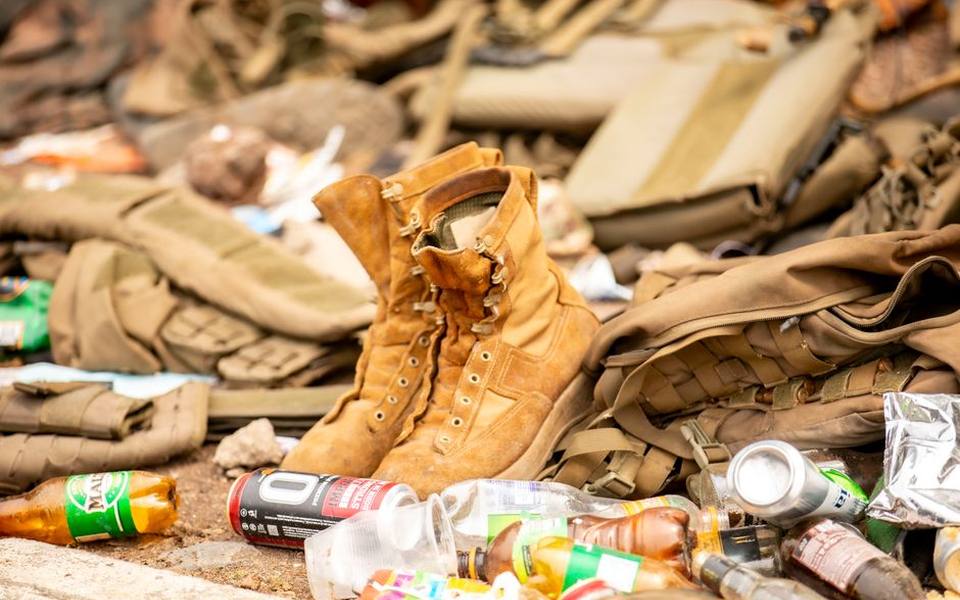 Buying
Tactical Combat Boots Buying Guide: Military Specs, Fit, and Durability
-
 Owning
Paintball Marker Maintenance, Air Systems, and Tank Safety Guide
-
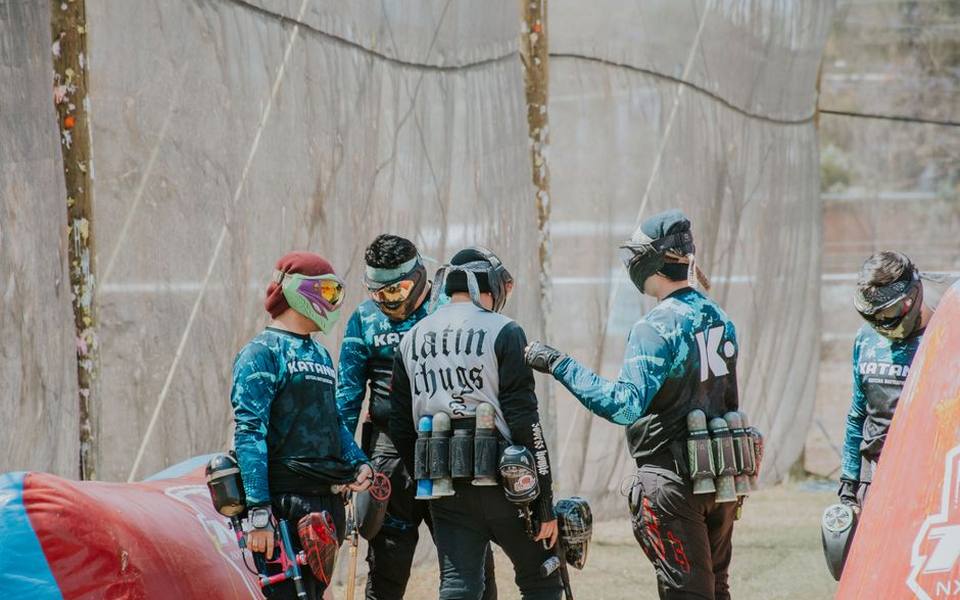 Safety
What to Wear for Paintball: Clothing, Protective Gear, and Cleaning Paint Stains
-
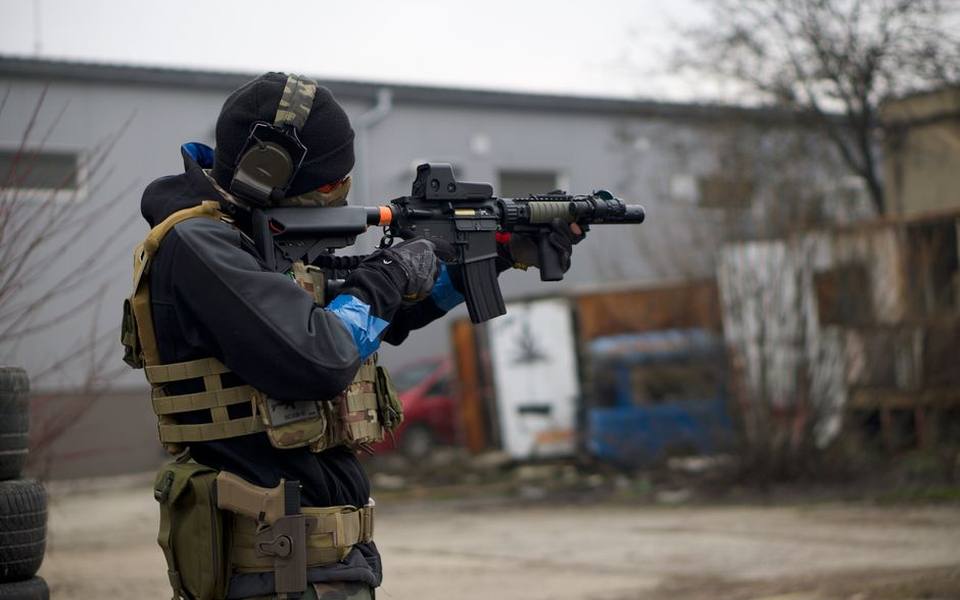 Owning
Airsoft Gear and Milsim Accessories: Speedloaders, Tracers, and Camouflage
-
 Safety
Paintball Age Limits, Tactics, and Corporate Event Planning
-
 Safety
Complete Guide to LiPo and RC Battery Chargers: Safety, Storage, and Voltage Care
-
 Owning
Paintball Video Games, Consoles, and Digital Arenas: An Off-Field Player Guide
-
 Service
CO2 Tank Refills and Compressed Air Systems: Options, Locations, and Safety Rules
-
 Owning
Archery Games Guide: Online Simulators to Adult Field Events
-
 Owning
Paintball Gear & Maintenance Guide: Custom Apparel, Tank Fills, and Stain Removal
-
 Service
Ultimate Guide to Indoor Soccer Zones: Leagues, Facilities, and Play Options