The Evolution of Modern Tactical Footwear
Choosing modern military combat shoes comes down to balancing structural ankle support against foot speed, weight, and climate readiness. Traditional service boots were once heavy all-leather constructions meant to survive years of trench wear, but contemporary field footwear leans heavily on athletic engineering. Today, operators, outdoor enthusiasts, and scenario players look for tactical combat shoes that feel more like running sneakers while still offering the abrasion resistance, puncture defense, and torsional stability demanded by unforgiving outdoor terrain.
The shift toward hybrid construction combines full-grain or roughout leather in high-wear zones with lightweight synthetic panels such as Cordura nylon. This blend cuts down pack weight and significantly reduces foot fatigue during long days on uneven ground. While a thick, stiff chassis helps when carrying sixty-pound rucksacks across rocky ridges, lighter tactical models provide immediate responsiveness when darting between cover positions, sprinting over soft loam, or maneuvering around tight obstacles.
Understanding your primary operational environment is the first step before looking at tread patterns or closure mechanisms. Arid brush, wet riverbeds, compacted clay, and hard indoor flooring each stress your footwear in entirely distinct ways. Knowing whether you need moisture drainage, waterproof barriers, or maximum ankle flexion will narrow the massive range of military-style options down to the handful designed specifically for your local conditions.
Military Specifications and Uniform Compliance
When browsing regulation military footwear, you will frequently encounter references to AR 670-1 or AFI 36-2903 compliance, which dictate the standards for operational camouflage pattern uniforms. True ocp boots typically require an eight-inch shaft height measured from the footbed, roughout cowhide or flesh-out cattle hide leather, and a plain toe without decorative stitch caps. The color standard is coyote brown, which blends effectively across diverse arid and temperate environments without presenting the glaring visual signature of polished black leather.

Athletic footwear brands have reshaped this category by producing lightweight trainers that satisfy military regulations while ditching the rigid feel of legacy boots. Models engineered along the lines of nike ocp boots utilize injected foam midsoles, flexible forefoot grooves, and thin canvas uppers to shave ounces. While these ultra-light uniform boots are celebrated for high-speed maneuvering and fast break-in times, they typically sacrifice a degree of long-term durability on jagged rock faces compared to heavier, thick-shanked alternatives.
Soling technology within uniform-compliant gear also follows strict rules regarding rubber composition and tread design. Outsoles must be made of durable rubber that resists slip hazards and oil degradation, with lugs generally not extending over the outer edges or wrapping excessively around the upper toe. If your tactical activities demand strict compliance with service dress codes, verifying the exact height and leather finish is essential before making a purchase.
Surplus Footwear Strengths and Trade-Offs
Genuine milsurp boots offer an undeniable appeal for budget-conscious buyers seeking battle-tested reliability without retail markups. Military surplus channels are filled with unissued or lightly used footwear from various decades, ranging from all-leather speed-lace boots to desert storm-era desert boots with vulcanized direct-molded soles. These surplus pairs were manufactured under strict defense contracts that prioritized indestructible hardware and heavy welt construction above plush walking comfort.
The greatest advantage of surplus boots lies in their structural honesty. Heavy-gauge leather, brass eyelets, and steel shanks mean that an authentic surplus boot can absorb brutal abuse in heavy brambles and gravel without tearing. However, that toughness comes with noticeable penalties in weight, heat retention, and stiffness. A traditional surplus boot demands a dedicated break-in period that can take several weeks of gradual wear, during which blister prevention and proper sock selection become critical.
When shopping the surplus market, inspecting the rubber sole compound is vital. Older stock that has sat inside dry warehouse crates for years can suffer from hydrolysis, a chemical breakdown where polyurethane midsoles crumble into dust within hours of field use. Look for pairs with solid rubber outsoles and supple, conditioned leather rather than dried, cracked hides that have lost their natural oils.
Safety Toes and Occupational Protection
Certain tactical roles and field operations require integrated protection against crushing hazards, leading many to search for steel toe military footwear. Steel caps provide proven defense against falling equipment, heavy munitions cases, and vehicle maintenance accidents. For personnel stationed on flight lines or working logistics in motor pools, a rated protective toe is an absolute safety requirement that cannot be substituted with standard soft-toe gear.
However, metallic protective caps introduce distinct compromises when deployed in fluid field operations. Steel conductively transfers extreme temperatures, causing toes to become numbingly cold in freezing winter slush or uncomfortably hot under blazing desert suns. Furthermore, the added weight at the front of each foot alters your natural gait, making dead sprints and creeping stalks noticeably more taxing over an extended operational timeline.
Composite toe caps constructed from carbon fiber, Kevlar, or fiberglass have largely bridged this gap for modern tactical users. Non-metallic safety toes deliver certified impact resistance without conducting thermal extremes or triggering sensitive security metal detectors. Unless your workplace specifically mandates steel, a composite alternative generally provides superior comfort and agility during dynamic physical movement.
Jungle Footwear and Rapid Drainage Systems
In swampy woodlands, wet creek crossings, and humid summer climates, keeping water out entirely is an impossible task. This reality gave birth to specialized drainage boots, famously exemplified by historic belleville jungle boots. Instead of relying on a waterproof membrane that traps water once submerged over the collar, jungle patterns utilize breathable canvas or nylon quarters paired with screened instep drain vents that push water out with every downward step.
The outsole design on dedicated jungle and wet-climate boots often features aggressive Panama or self-cleaning multi-directional lug patterns. The wide spacing between lugs prevents thick, clay-heavy mud from packing tightly into the sole, allowing the tread to bite into slippery riverbanks and slick mud trails. Smooth, tightly grouped hiking treads quickly turn into slick sleds in these environments, making mud-shedding geometry essential for maintaining balance.
Drying speed is the primary survival metric for tropical footgear. Hydrophobic linings and unlined leather uppers ensure that once you exit the water and walk on dry soil, the heat generated by your foot works in tandem with air circulation to dry out the interior. Waterproof booties like Gore-Tex excel in freezing rain and shallow puddles, but in relentless humidity or deep wading scenarios, ventilated drainage designs remain superior.
Athletic Hybrids and Assault Platforms
The tactical footwear market has experienced a massive influx of athletic cross-pollination, spearheaded by models like adidas assault boots and similar athletic strike platforms. These boots are engineered specifically for direct-action raids, urban breaching, and high-intensity skirmishes where silence, lightning-fast acceleration, and ankle mobility outweigh thirty-mile load-carriage support. They frequently look and feel identical to mid-cut trail runners or wrestling shoes.
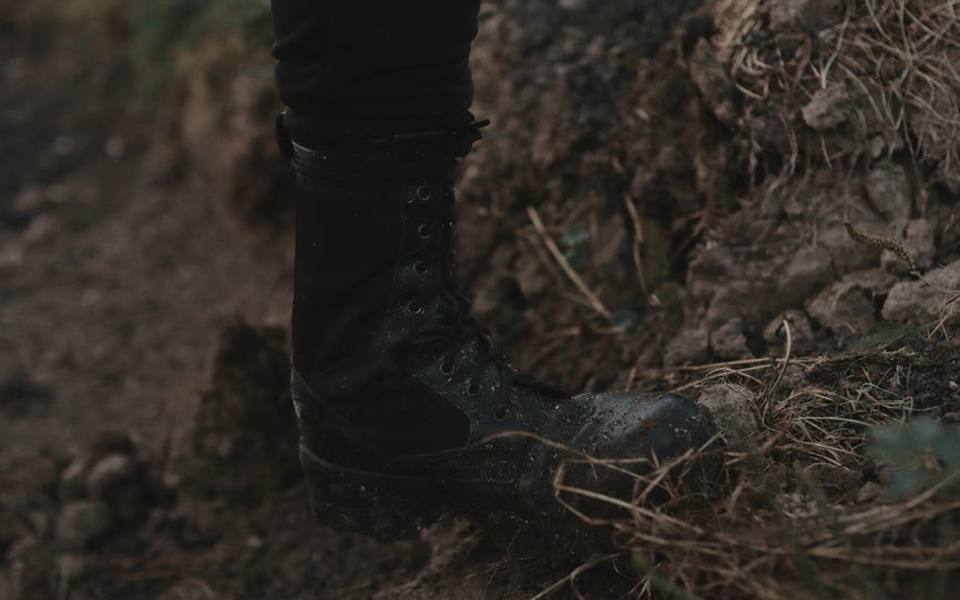
Modern assault boots emphasize low stack heights and flexible midsoles that allow the wearer to feel the ground beneath them. This tactile feedback provides incredible stability when climbing structures, traversing chain-link barriers, or creeping silently across loose gravel. Many athletic designs also incorporate medial arch wraps made from abrasion-resistant rubber to protect the boot from extreme frictional heat during fast-rope descents.
The trade-off for this athletic handling is reduced longevity and minimal lateral support under heavy rucksacks. The soft, grippy rubber compounds that stick like glue to wet concrete and painted steel will wear down significantly faster on abrasive asphalt than denser utility outsoles. If your field activities emphasize speed, close-quarters maneuvers, and minimal gear weight, an assault-style hybrid provides unmatched agility right out of the box.
Specialized Mobility and Modern Low-Drop Builds
Dedicated close-quarters combat designs have pushed boot profiles even further away from rigid field boots toward specialized low-drop footbeds. Gear lines such as viktos boots and contemporary special forces boots focus heavily on zero-heel-drop geometry, wider forefoot toe boxes, and reinforced sidewall outsoles. These features encourage natural foot splay and a balanced athletic stance, minimizing ankle rolls during rapid lateral changes of direction.
These purpose-built platforms often eliminate bulky hardware in favor of low-profile webbing loops, integrated lace garages, and stretch tongue gussets that prevent debris ingress. The result is a boot that does not snag on loose vegetation, weapon slings, or vehicle pedals. Padding is strategically concentrated around the Achilles tendon and malleolar bones, leaving the rest of the upper slim and breathable.
While elite operators favor these minimalist profiles for direct action and maritime boarding, prospective buyers should assess their own ankle strength and biomechanics. Moving abruptly from a traditional tall boot with a pronounced heel drop to a flat, minimalist tactical shoe can strain calf muscles and plantar fascia if introduced too rapidly. A gradual transition allows your stabilizing muscles to adjust to the unassisted ground contact.
Sizing, Width Profiles, and Women-Specific Geometry
Achieving a proper locked-in fit is more critical in tactical boots than in standard casual shoes, as loose heels guarantee debilitating friction blisters within an hour of hard movement. Many buyers struggle because military lasts tend to run slightly narrow or exceptionally long compared to consumer athletic sizing. High-performance models in the tactical research boot category often offer dedicated wide (EE) and extra-wide (EEEE) sizing to accommodate foot swelling that inevitably occurs under heavy exertion.
Fit challenges are particularly pronounced for female operators and players, who were historically forced to size down in unisex or male-cut footwear. A dedicated under armour womens tactical boot or similar female-specific design addresses this issue by accounting for distinct anatomical differences: narrower heels, higher arches, and a different foot-to-calf transition angle. Wearing a men's boot sized down usually leaves the heel cup too wide, causing excessive slippage and lost stability.
When trying on boots, always test them late in the afternoon when your feet have naturally expanded, wearing the exact cushioned merino wool or synthetic socks you plan to use in the field. Ensure there is approximately a finger's width of space between your longest toe and the front of the toe box. When walking down an incline or kicking a step, your toes should never slam into the front of the boot.
Choosing Footwear for Weekend Scenarios and Tactical Sports
Field enthusiasts heading out for competitive tactical matches need boots that handle unpredictable natural obstacles. If you participate in tactical simulations or airsoft games on-site, your footwear must grip wet timber, slippery synthetic obstacles, and deep gravel pits. Wet grass and loose mulch quickly expose the limits of flat-soled utility shoes, making deep, multidirectional tread lugs an absolute necessity.
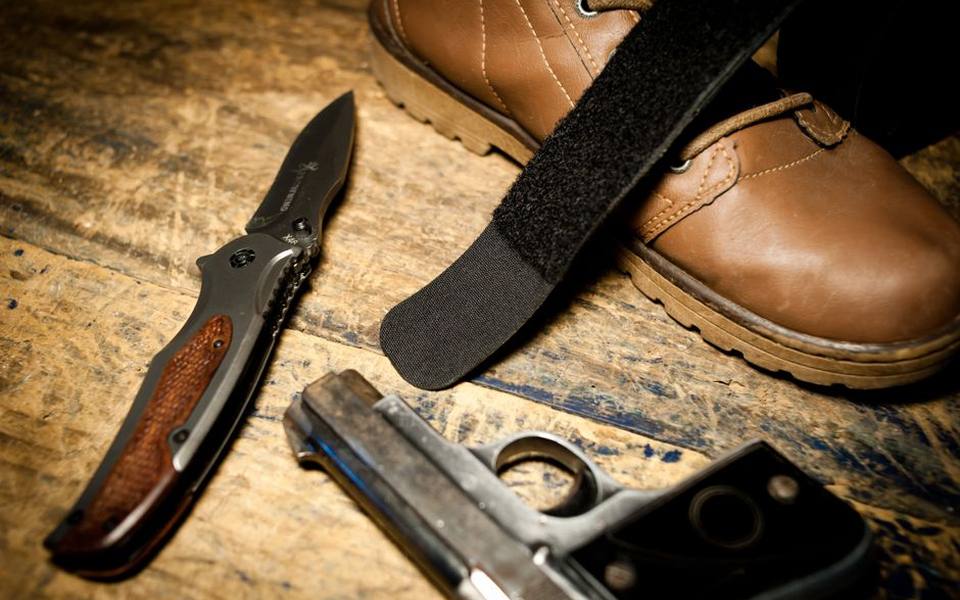
Venue layout plays a significant role in boot selection across different parts of the country. Competitors heading to massive outdoor facilities like those found at Paintball Fields in Texas or Paintball Fields in California benefit from breathable, dust-resistant boots that withstand blistering heat, thorny brush, and hard-packed caliche soil. In contrast, those playing primarily inside an indoor field will prefer non-marking, flexible assault shoes that grip smooth concrete or high-traction turf without weighing them down.
Durability in these fast-paced environments also depends on abrasion protection around the inner toe and arch. Crawling beneath bunkers, low-crawling through drainage pipes, and kneeling behind timber barriers will chew through thin mesh uppers in a matter of weeks. Choosing footwear with reinforced rubber toe caps and wrap-around leather overlays ensures your boots survive aggressive tactical use without premature blowouts.
Maintenance, Cleaning, and Sole Longevity
Routine maintenance directly dictates how many seasons your tactical footwear will endure. After a demanding weekend in the field, never leave muddy boots to dry directly against heating vents or near open campfires. Excessive heat bakes the natural moisture out of roughout leather, causing it to crack, while simultaneously weakening the adhesives that hold the midsole and outsole together.
For roughout leather and suede tactical boots, allow caked mud to dry completely before brushing it away using a stiff nylon bristle brush. Avoid greasy polishes or shoe oils on roughout material, as these treatments ruin the breathability of the hide and alter its uniform-compliant matte finish. If boots feature an integrated waterproof membrane, occasionally rinsing the interior with warm water helps flush away salt crystals from perspiration that clog the microscopic pores.
Pay attention to outsole wear patterns over time. Once the perimeter lugs wear flat, your lateral traction on wet slopes drops dramatically, drastically increasing your risk of an ankle sprain. While traditional welted military boots can be re-soled by a competent cobbler, modern cement-construction athletic tactical boots are generally replaced once the tread wears smooth or the internal cushioning packs out.
Published 2026-09-21 · reviewed with each rebuild, last October 2026.
Find paintball fields & fun centers near you
The directory lists 36,923 paintball fields & fun centers by state and city — pick your state or use the “Near me” button in the header.
More guides
-
 Service
Where and How to Refill Paintball CO2 and HPA Tanks
-
 Buying
A Guide to Purchasing Your Own Paintball Equipment
-
 Safety
Paintball vs Airsoft: Evaluating Impact, Costs, and Removing Stubborn Stains
-
 Money
MoneyHow Much Does Paintball Cost? Field Fees, Rental Packages, and Ammo Math
-
 Safety
Does Paintball Hurt? Safety, Bruises, Clothing, and Stains
-
 Buying
Where to Sell Used Paintball Guns Safely and Clean Up Gear
-
 Safety
Beginner's Guide to Paintball: Understanding Game Formats and Rules
-
 Money
MoneyPaintball Cost Guide: Equipment, Field Fees, and Play Prices
-
 Owning
How to Remove Paint and Acrylic Stains from Clothing and Fabrics
-
 Buying
Tactical and Military Boots: Brands, Comfort, and Field Selection
-
 Service
Corporate Team Building and Outdoor Adventure Events: The Complete Organizer's Guide
-
 Buying
Laser Tag Arenas, Equipment, and Home Party Rentals Guide
-
 Safety
LiPo Battery Maintenance, Safe Charging, and Balance Chargers for Gear
-
 Service
Indoor and Outdoor Paintball Fields: Venue Selection, Booking, and Rules
-
 Buying
Complete Paintball Equipment Guide: Markers, Air Tanks, Jerseys, and Field Attire
-
 Safety
Whitewater Rafting and River Adventure Parks: Destinations, Trips, and Safety Guide
-
 Safety
Airsoft Fields and Arenas Guide: Indoor vs Outdoor Venues, Rules, and Rentals
-
 Buying
Laser Tag Centers, Home Equipment, and Event Planning Complete Guide
-
 Service
Paintball Fields, Scenario Games, Night Ops, and Arena Booking Guide
-
 Safety
Ziplining and Aerial Trekking Parks: Top Courses, Safety Standards, and Booking
-
 Owning
Paintball Marker Maintenance, Air Systems, and Tank Safety Guide
-
 Safety
What to Wear for Paintball: Clothing, Protective Gear, and Cleaning Paint Stains
-
 Owning
Airsoft Gear and Milsim Accessories: Speedloaders, Tracers, and Camouflage
-
 Safety
Paintball Age Limits, Tactics, and Corporate Event Planning
-
 Safety
Complete Guide to LiPo and RC Battery Chargers: Safety, Storage, and Voltage Care
-
 Owning
Paintball Video Games, Consoles, and Digital Arenas: An Off-Field Player Guide
-
 Service
CO2 Tank Refills and Compressed Air Systems: Options, Locations, and Safety Rules
-
 Owning
Archery Games Guide: Online Simulators to Adult Field Events
-
 Buying
Complete Airsoft Guns and Equipment Guide: Reviews, Rentals, and Legal Safety
-
 Owning
Paintball Gear & Maintenance Guide: Custom Apparel, Tank Fills, and Stain Removal
-
 Service
Ultimate Guide to Indoor Soccer Zones: Leagues, Facilities, and Play Options