Dressing for Your First Day on the Field
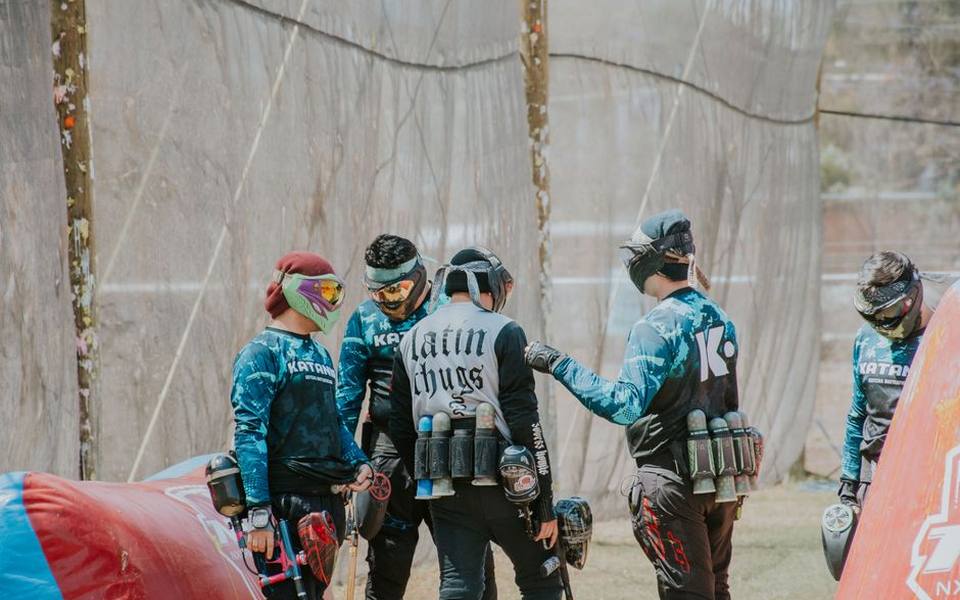
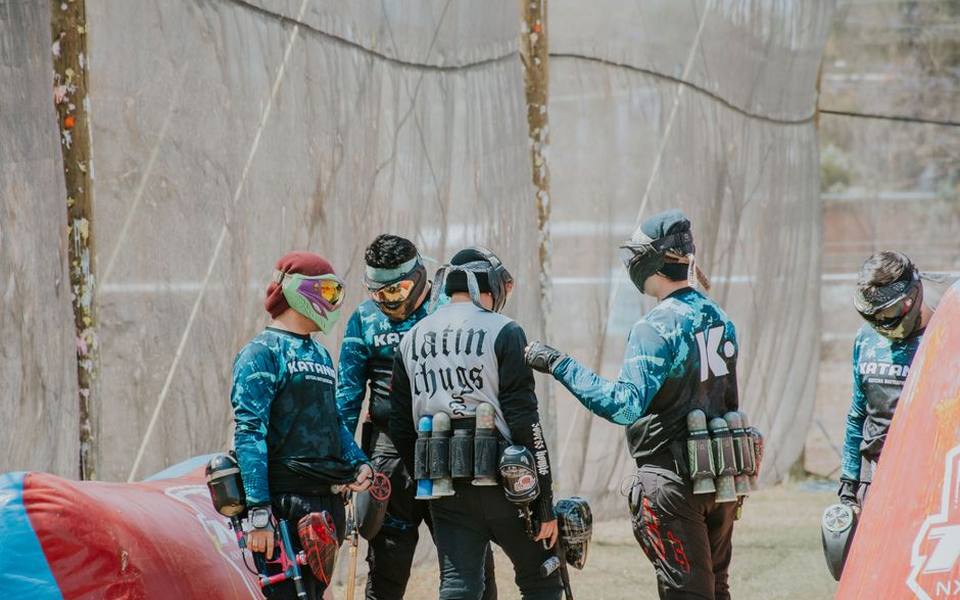
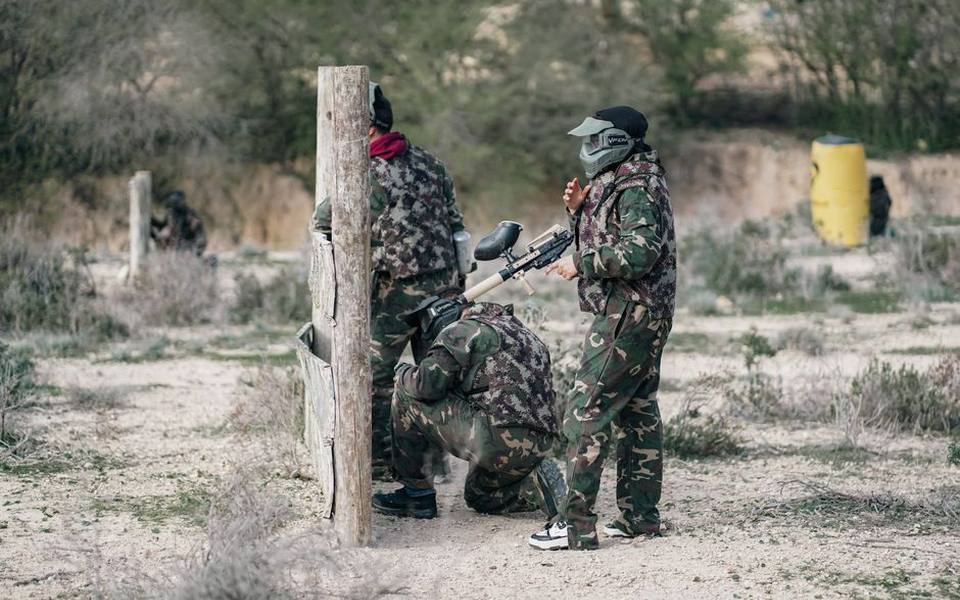
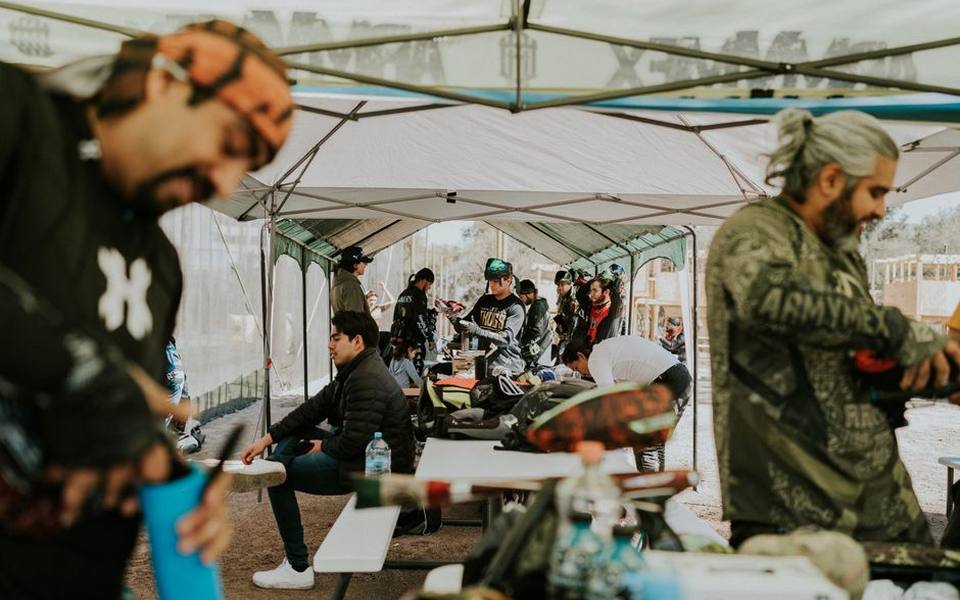
When preparing for a day of paintball, your primary goal is covering all exposed skin with durable, loose-fitting layers that soften impact without restricting your movement. A standard setup typically starts with a long-sleeved shirt or lightweight hooded sweatshirt paired with sturdy cargo pants, dark jeans, or athletic joggers. Loose fabric serves as natural suspension: when a gelatin capsule strikes loose cloth, the fabric absorbs a substantial portion of the kinetic energy before the shell breaks against your body, noticeably reducing stinging sensations.
Fabric selection makes a dramatic difference over several hours of running and diving. Heavy cottons and synthetic ripstop blends hold up well against brush, gravel, and rough wooden barricades found at outdoor facilities. You should avoid bright neon colors unless you are playing tournament speedball on manicured turf, as dark earth tones like olive drab, charcoal, brown, and woodland camouflage allow you to blend into natural terrain and avoid standing out across the clearing.
Footwear completes your base ensemble and is arguably as critical as your clothing. Running sneakers with smooth soles often lead to slips on wet grass, mud, or loose gravel. Instead, lace up trail runners, hiking boots with firm ankle support, or molded athletic cleats if the park permits them. Sturdy shoes keep you upright during fast sprints between bunkers and protect your feet from hidden roots, rocks, and uneven ground.
Head and Face Protection: Mask Technology and Anti-Fog Systems
No single piece of safety equipment matters more than a certified, full-coverage paintball goggle system. Paintball markers propel gelatin capsules at speeds typically ranging from two hundred to three hundred feet per second, which can cause severe ocular injury without proper shielding. Rental facilities provide standard protective masks, but personal comfort and field visibility depend heavily on the specific construction of the lens and faceplate.
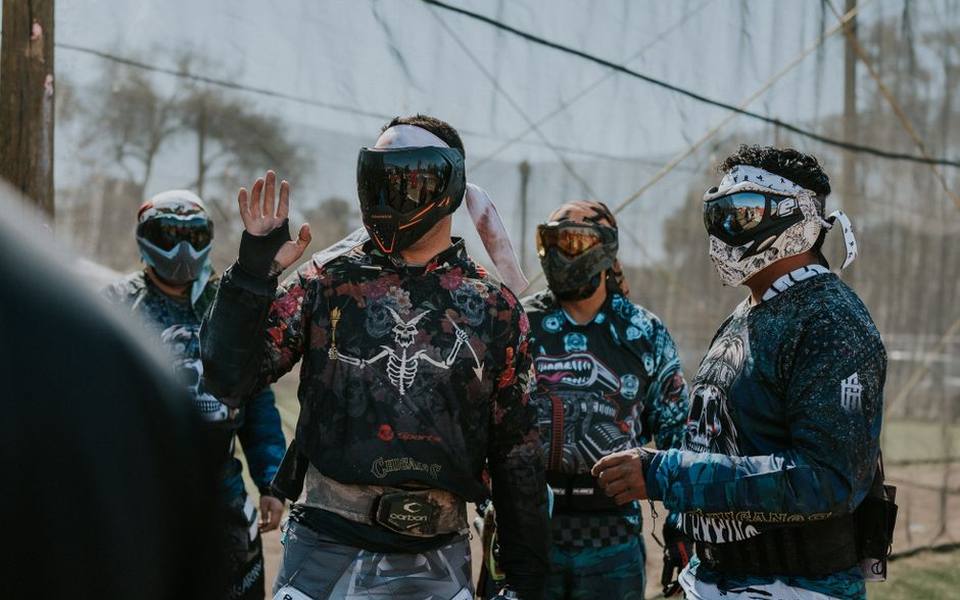
Vision issues on the field usually stem from condensation, making anti-fog paintball masks a critical investment for both casual and frequent players. Traditional single-pane lenses fog up rapidly when your body temperature rises and warm breath rises toward the cooler outer plastic. Modern dual-pane thermal lenses solve this problem by sandwiching an insulating pocket of air between an inner and outer pane, acting like a double-glazed window that neutralizes temperature differentials.
Proper mask ventilation also expels warm exhaled moisture before it accumulates against the inner frame. Premium face shields feature strategically angled venting across the mouth and jawline to encourage continuous airflow while redirecting incoming paint splatter away from your face. When testing masks at local facilities or before checking out Paintball Fields in Texas, ensure the interior closed-cell foam creates a firm seal around your cheeks and temple without pinching your nose shut.
Dedicated High-End Mask Systems and Fit
Players looking to upgrade past standard rental goggles often look toward advanced designs engineered for tournament play. High-tier systems, such as the Dye i5 mask line, feature wide-angle spherical lenses that offer an expansive field of view without optical distortion at the edges. Having unhindered peripheral vision lets you spot opponents tucking into corner bunkers without forcing you to swivel your entire neck out from behind cover.
Another key feature found on modern tournament platforms is an integrated micro-ratchet adjustment system on the rear strap. Instead of traditional elastic bands that loosen over hours of sweat and heavy running, a dial-tightening harness allows players to lock the goggles securely against their skull with a single twist. This prevents the frame from sliding down the bridge of your nose when you sprint or drop into a low crouch.
High-performance masks also incorporate acoustic venting designed to improve directional hearing and communication. Thinner, perforated ear shields protect against direct ball strikes while allowing teammates' calls to pass through clearly. The moisture-wicking foam lining inside these frames can usually be popped out and replaced once it wears down, extending the operational life of the goggle frame over many seasons of active play.
Torso Layering and Paintball Chest Protectors
Direct impacts to the ribcage, chest, and spine can leave tender welts, leading many first-time participants and younger players to consider torso padding. A dedicated paintball chest protector typically uses segmented EVA foam wrapped in flexible neoprene or moisture-wicking synthetic fabric. These lightweight vests absorb the punch of direct hits while allowing your arms to swing freely when bringing your marker up to eye level.
Many recreational facilities offer padded chest guards as part of their rental packages, which is especially popular for family outings and birthday events. If you are coordinating games for mixed-age groups through party packages, requesting chest protectors ensures that younger participants feel confident stepping into the action without worrying about close-range stingers.
Advanced players who dislike the bulk of an exterior chest vest often opt for padded compression tops worn directly beneath their jerseys. These compression shirts position targeted foam pads across the collarbone, sternum, and biceps while remaining virtually invisible under an outer layer. If you decide not to wear dedicated armor, wearing a snug thermal undershirt beneath a loose hoodie or heavy button-down work shirt provides adequate recreational protection.
Essential Impact Pads for Knees, Elbows, and Extremities
Paintball tactics require dropping behind low bunkers, crawling through brush, and sliding across packed earth. Specialized pads for paintball keep you from bruising joints against rocks, roots, or hard turf seams. Unlike bulky plastic skateboarding pads, paintball-specific armor uses low-profile high-density foam encased in abrasion-resistant Kevlar or ballistic nylon, designed to slip smoothly underneath your playing pants and jersey.
High-quality knee pads for paintball are arguably the most valuable protective accessory beyond your mask. Dropping suddenly to one knee behind a low bunker can severely impact your patella if you hit a concealed rock or hard-packed dirt. Paintball knee sleeves feature articulated padding that wraps around the entire joint cap, alongside silicone gripper bands at the thigh to stop the sleeves from sliding down during continuous sprints.
Upper-body protection should also cover the forearms, neck, and hands. Forearm pads cushion your elbows during dives, while a slim neoprene neck protector shields the sensitive throat area from painful close-range paint breaks. Sturdy tactical or paintball gloves featuring armored rubber finger spines protect your knuckles from direct hits, which tend to be some of the most uncomfortable impacts during close-quarter bunker trades.
How Paintball Fill Compares to Real Paint and Acrylics
One of the most common worries among beginners is whether the paint used on the field will permanently ruin their clothes. In reality, modern paintballs contain no actual paint at all. The outer shell is molded from animal-grade gelatin—similar to pharmaceutical vitamin capsules—while the vibrant interior liquid consists of non-toxic food dyes suspended in polyethylene glycol (PEG) or vegetable oil, engineered specifically to wash away with water.
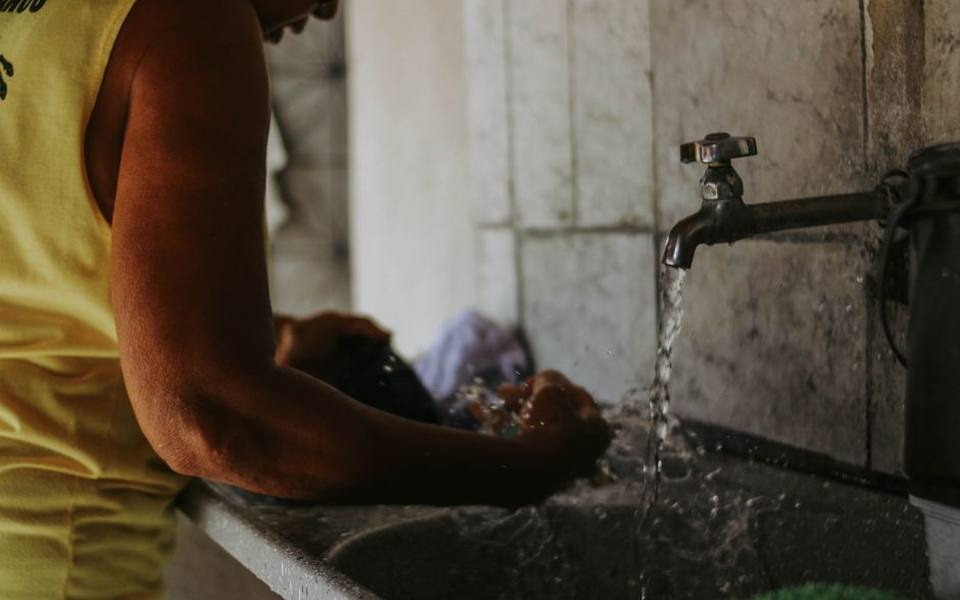
People frequently ask whether acrylic paint will stain clothes and worry that field ammunition behaves the same way. Acrylic craft or household paint contains polymer plastic emulsions that bind permanently to natural and synthetic fibers once dry, creating tough, indelible marks. Paintball fill, by contrast, is completely water-soluble and does not chemically bind to clothing, meaning everyday cottons and synthetics release the bright yellow, pink, or orange pigments easily when washed.
Problems only arise when paint sits on clothing for days in hot trunks or damp gear bags, which can cause the food dye to seep deeply into porous cotton threads. Furthermore, playing at outdoor multi-activity parks that also host airsoft games on-site means dealing with field dirt, tree sap, and grease from rental equipment, which often leave tougher marks on apparel than the actual paintball fill itself.
Step-by-Step Guide to Removing Paintball Splatters from Clothing
Knowing how to remove paint on shirt fabrics after a weekend session takes the stress out of wearing your favorite athletic gear. Begin by shaking off or brushing away dried chunks of gelatin shell before the clothing goes into the water. If you rinse the garment immediately while the gelatin is still hard, you prevent broken shell shards from softening into sticky residue that clings to neighboring garments.
When wondering what removes paint from clothes most efficiently, simple household liquid laundry detergent and standard dish soap are your best solutions. Apply a dime-sized drop of dish soap directly to vivid dye marks and massage the fabric gently under warm running water. The surfactants in dish soap quickly dissolve the polyethylene glycol carrier and release the trapped food color from the fabric weave without damaging the garment fibers.
After spot-treating heavily hit areas, wash the garments in your home washing machine using a normal or heavy-duty cycle with warm water. Avoid using chlorinated bleach, as it can degrade synthetic fabrics and weaken reinforced seams. Before tossing the load into the dryer, inspect the fabric under good lighting; if faint pigment remains, wash it once more, as the high heat of a clothes dryer can bake lingering dyes permanently into cotton fibers.
Dealing with Difficult Stains: Acrylics and Oil-Based Paint Splatters
Occasionally, players pick up real paint stains on their gear from recently coated park barricades, bunker maintenance projects, or industrial playing props. When dealing with dried acrylic craft or fence paint on a shirt, you need isopropyl alcohol (rubbing alcohol) rather than plain water. Saturate the stained spot with high-proof alcohol, wait several minutes for the acrylic binder to soften, and vigorously scrub the area with a stiff-bristled toothbrush to lift the plastic film.
Handling true oil paint removal from clothes requires an entirely different chemical approach because oil-based formulas resist water and standard soap. If you brush against oily machinery or commercial oil-based markings around a staging area, dab the spot with a small amount of mineral spirits, citrus-based degreaser, or turpentine applied to a clean rag. Blot from the backside of the fabric outward to push the oil out rather than spreading it deeper into the fibers.
Always test strong solvents on an inconspicuous hem first to ensure they will not melt synthetic polyester or dissolve waterproof membrane coatings. Once the oil solvent has broken down the stain, treat the residue with concentrated dish soap to strip away remaining oils before running the garment through a standard warm washing cycle.
Weather Adjustments and Venue Considerations
Adapting your wardrobe to the local playing environment prevents overheating in summer and shivering during winter matches. When visiting warm-climate destinations like Paintball Fields in California, heavy hoodies can quickly induce heat exhaustion. On hot days, switch to moisture-wicking long-sleeve jerseys, breathable athletic base layers, and lightweight ripstop pants that promote continuous airflow while still keeping skin covered.
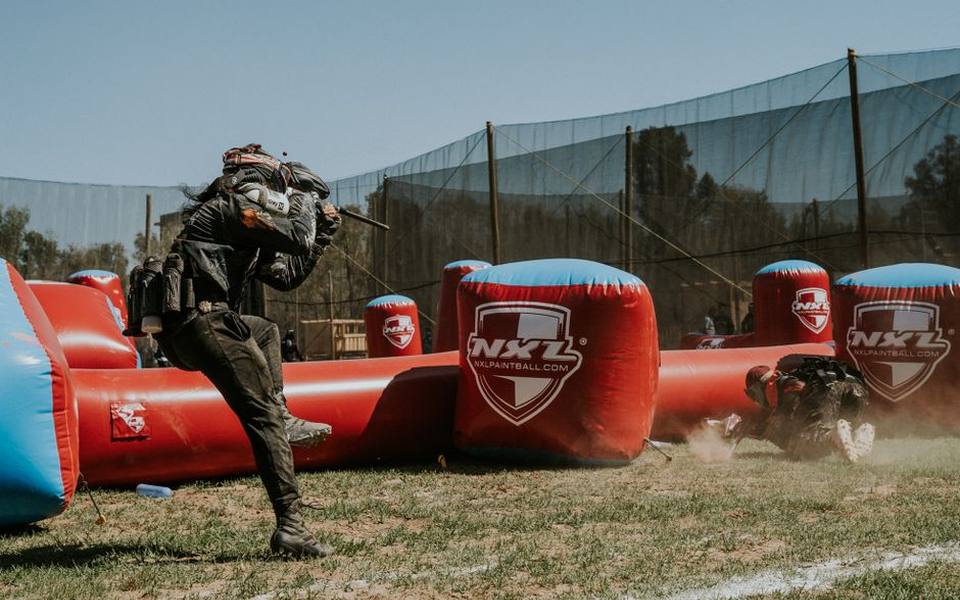
Playing at an indoor field introduces different apparel requirements. Indoor facilities typically feature polished concrete or artificial sports turf, which can cause intense rug burns during dives. You will not face briars or thick mud indoors, so you can prioritize flexible slide shorts, padded compression pants, and clean athletic sneakers with rubber grip rather than heavy, lugged outdoor boots.
Cold-weather paintball requires careful moderation of your layers. Freezing temperatures make gelatin shells brittle and cold air makes impacts sting slightly more. Dressing in multiple thin, breathable layers allows you to peel off a thermal shirt or fleece vest once your heart rate climbs during active rounds, ensuring you stay comfortable without sweating through your base clothing.
Packing Your Gear Bag and Post-Game Habits
Developing a clean transition routine at the end of the day preserves your equipment and keeps your car interior spotless. Always pack a clean change of civilian clothes, fresh socks, and everyday shoes in your vehicle before leaving home. Once the games wrap up, peel off your sweat-soaked, paint-splattered outer layers in the staging area and swap into fresh clothes for a relaxed drive home.
Store your soiled playing clothing in a dedicated heavy-duty trash bag or ventilated laundry hamper inside your trunk. Trapping damp, paint-covered garments inside an airtight duffel bag for multiple days promotes mildew and allows dyes to settle deeply into fabrics. Emptying the bag directly into the washing machine as soon as you get home guarantees an effortless, stain-free clean.
Take equal care when cleaning your mask and protective pads at home. Wipe goggle lenses using only clean microfiber cloths and lukewarm water; household glass cleaners contain ammonia and alcohol that will strip anti-fog coatings and cause polycarbonate lenses to crack. Air-dry your knee pads, gloves, and chest protectors out of direct sunlight to maintain the elasticity of the straps and prevent foam degradation.
Published 2026-09-21 · reviewed with each rebuild, last October 2026.
Find paintball fields & fun centers near you
The directory lists 36,923 paintball fields & fun centers by state and city — pick your state or use the “Near me” button in the header.
More guides
-
 Service
Where and How to Refill Paintball CO2 and HPA Tanks
-
 Buying
A Guide to Purchasing Your Own Paintball Equipment
-
 Safety
Paintball vs Airsoft: Evaluating Impact, Costs, and Removing Stubborn Stains
-
 Money
MoneyHow Much Does Paintball Cost? Field Fees, Rental Packages, and Ammo Math
-
 Safety
Does Paintball Hurt? Safety, Bruises, Clothing, and Stains
-
 Buying
Where to Sell Used Paintball Guns Safely and Clean Up Gear
-
 Safety
Beginner's Guide to Paintball: Understanding Game Formats and Rules
-
 Money
MoneyPaintball Cost Guide: Equipment, Field Fees, and Play Prices
-
 Owning
How to Remove Paint and Acrylic Stains from Clothing and Fabrics
-
 Buying
Tactical and Military Boots: Brands, Comfort, and Field Selection
-
 Service
Corporate Team Building and Outdoor Adventure Events: The Complete Organizer's Guide
-
 Buying
Laser Tag Arenas, Equipment, and Home Party Rentals Guide
-
 Safety
LiPo Battery Maintenance, Safe Charging, and Balance Chargers for Gear
-
 Service
Indoor and Outdoor Paintball Fields: Venue Selection, Booking, and Rules
-
 Buying
Complete Paintball Equipment Guide: Markers, Air Tanks, Jerseys, and Field Attire
-
 Safety
Whitewater Rafting and River Adventure Parks: Destinations, Trips, and Safety Guide
-
 Safety
Airsoft Fields and Arenas Guide: Indoor vs Outdoor Venues, Rules, and Rentals
-
 Buying
Laser Tag Centers, Home Equipment, and Event Planning Complete Guide
-
 Service
Paintball Fields, Scenario Games, Night Ops, and Arena Booking Guide
-
 Safety
Ziplining and Aerial Trekking Parks: Top Courses, Safety Standards, and Booking
-
 Buying
Tactical Combat Boots Buying Guide: Military Specs, Fit, and Durability
-
 Owning
Paintball Marker Maintenance, Air Systems, and Tank Safety Guide
-
 Owning
Airsoft Gear and Milsim Accessories: Speedloaders, Tracers, and Camouflage
-
 Safety
Paintball Age Limits, Tactics, and Corporate Event Planning
-
 Safety
Complete Guide to LiPo and RC Battery Chargers: Safety, Storage, and Voltage Care
-
 Owning
Paintball Video Games, Consoles, and Digital Arenas: An Off-Field Player Guide
-
 Service
CO2 Tank Refills and Compressed Air Systems: Options, Locations, and Safety Rules
-
 Owning
Archery Games Guide: Online Simulators to Adult Field Events
-
 Buying
Complete Airsoft Guns and Equipment Guide: Reviews, Rentals, and Legal Safety
-
 Owning
Paintball Gear & Maintenance Guide: Custom Apparel, Tank Fills, and Stain Removal
-
 Service
Ultimate Guide to Indoor Soccer Zones: Leagues, Facilities, and Play Options