The immediate first steps when paint hits your clothing
The fastest way to save a garment when pigment strikes the fabric is to act before the binder cures. Acrylic artist paint, household latex, and recreational marker fills behave differently once they bond with textile fibers. When you notice a fresh splatter, resist the urge to vigorously wipe the surface with a dry rag. Wiping drives liquid emulsion deeper into the weave of cotton and synthetic threads, transforming an easy surface rinse into an embedded mark that clings to the core of the yarn.
Instead, lift away excess liquid immediately using a dull edge such as a plastic putty knife, spoon, or stiff cardboard edge. Scoop outward from the perimeter of the stain toward the center so the puddle does not expand into clean areas. If you are outdoors or visiting an indoor field during an open recreation session, simply blotting the mark with a damp paper towel can prevent the top layer from crusting over until you reach a sink.
Keep the affected fabric moist if you cannot wash it immediately. Acrylics and latex paints are water-borne emulsions that rely on acrylic polymer binders. As the water evaporates, those polymers knit together into a flexible, water-resistant plastic film. Wrapping a damp washcloth around the spot and sealing the garment inside a grocery bag buys valuable hours by delaying the chemical cure until you can access running water and proper detergents.
Tackling fresh wet acrylic and latex stains
Fresh water-based paint releases far easier than dried residue because the polymer matrix has not yet cross-linked. Take the garment straight to a laundry basin or deep sink and flush the reverse side of the fabric with cold water. Running water directly against the back of the stain pushes the loose pigment back out the way it entered, rather than washing it through clean interior fibers. Avoid warm or hot water entirely at this stage, as heat accelerates the drying time of acrylic resins.
Once excess pigment is rinsed out, apply a generous measure of liquid dish soap directly to the damp spot. Dish soaps engineered to cut grease contain surfactants that break the surface tension of water-based paint binders. Gently massage the soap into the fibers with your fingertips or a soft-bristled toothbrush, working in small circular patterns. You will see colored suds lift away from the cloth as the soap molecules isolate the pigment particles.
Rinse the soapy froth thoroughly under running cold water, check the fabric under clear light, and repeat the process if color remains. For basic cotton t-shirts and fleece layers, two rounds of cold rinsing and dish soap treatment typically eliminate the bulk of fresh paint. Never press the fabric hard enough to stretch the knit, as distorted fibers will trap residual pigment permanently in tiny microscopic pockets.
How to break down dried acrylic on standard fabrics
Dealing with dried acrylic paint requires a different chemical approach because water alone can no longer dissolve the cured plastic layer. Cured acrylics dissolve when exposed to specific alcohol-based solvents that interrupt polymer bonds without destroying natural cotton or durable polyester weaves. Standard isopropyl rubbing alcohol, preferably rated at ninety-one percent concentration or higher, serves as the most effective and affordable agent for this job.
Lay the stained garment flat on a hard work surface with an old white cotton towel placed directly underneath the stain. The towel underneath will absorb the softened paint as it releases from your garment, keeping the backside of your clothing clean. Pour rubbing alcohol generously over the hardened paint until the fibers are completely saturated. Let the alcohol sit on the spot for roughly five minutes so it can penetrate the hardened shell of the acrylic crust.
Take a soft toothbrush or clean rag and scrub the saturated spot firmly. The dried paint will quickly turn from a hard crust into a gummy, rubbery sludge as the alcohol dissolves the binder. Blot the loosened sludge away with paper towels, applying fresh alcohol as needed until the fabric weave shows through clearly. Work deliberately from the edges inward so you do not smear the re-liquefied acrylic over adjacent clean fibers.
Lifting stubborn pigment from jeans and heavy canvas
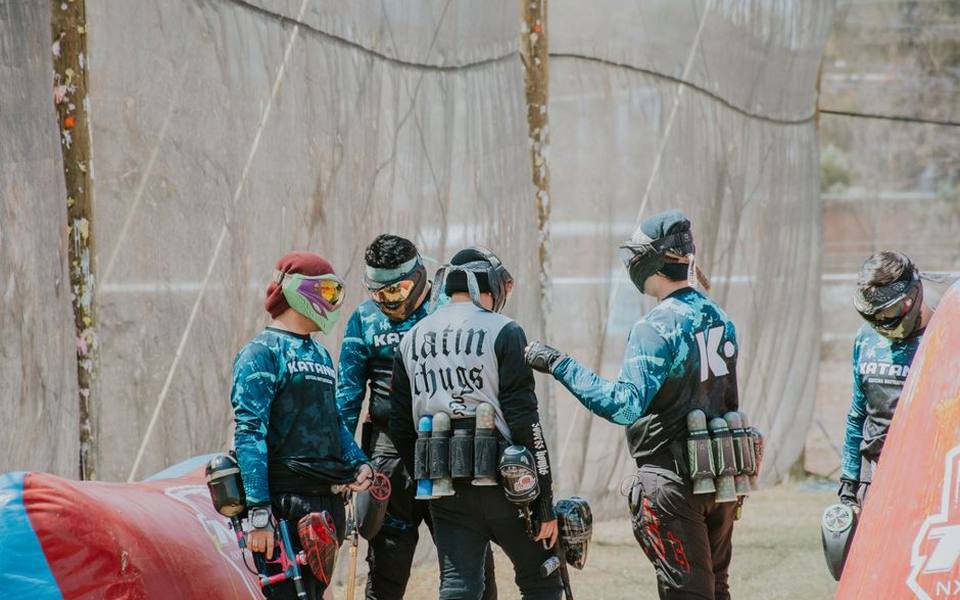
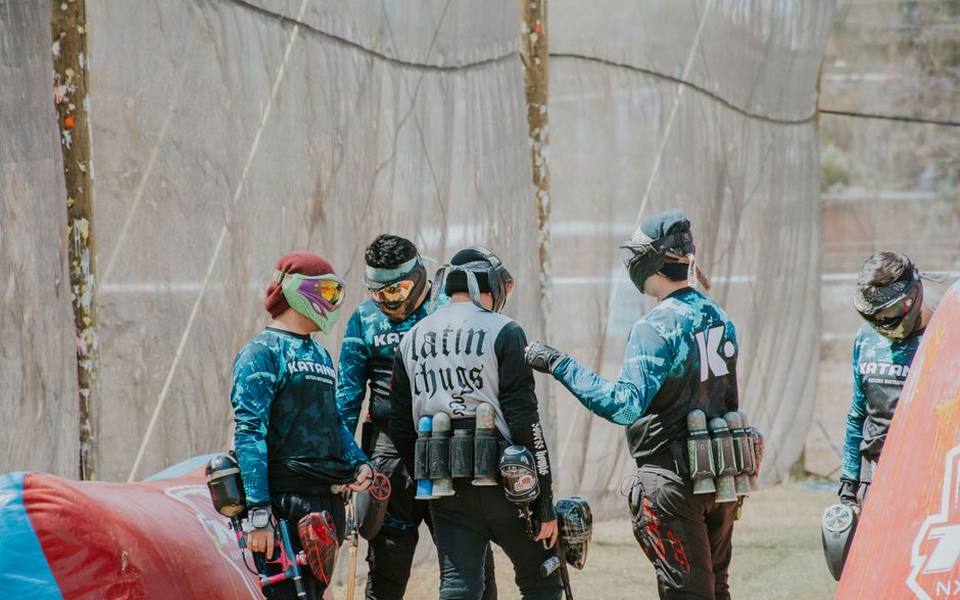
Denim jeans, work pants, and heavy tactical canvas can withstand significantly firmer scrubbing than lightweight everyday shirts. When paint hardens deep in the diagonal twill of denim, solvent penetration takes longer because the yarn is thick and tightly woven. Players sliding across outdoor terrain at paintball fields in Texas frequently encounter stubborn pigment deposits mixed with dirt on their heavy pants, requiring a patient multi-stage clean.
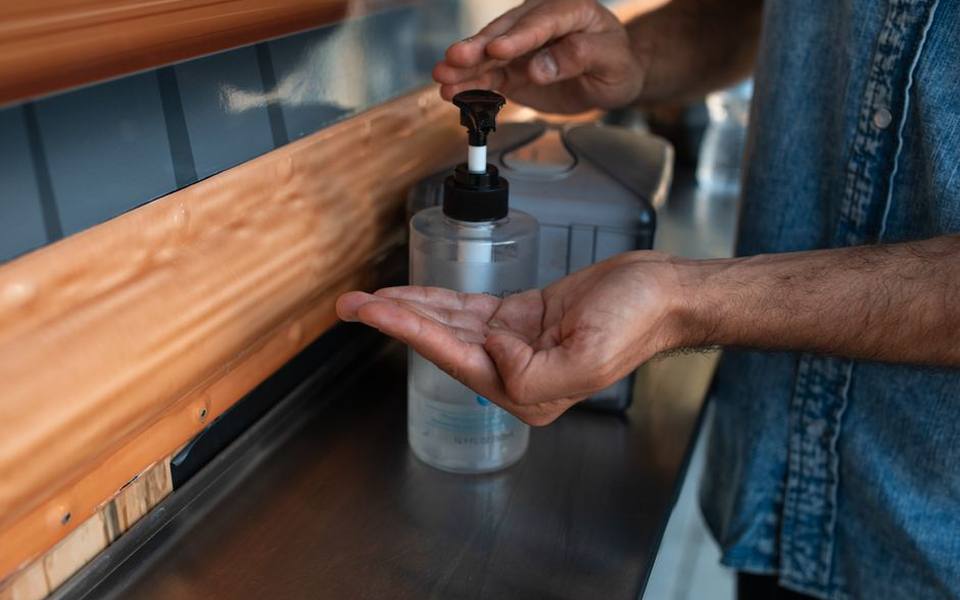
Begin by scraping the surface of the dried paint using the edge of a butter knife or stiff coin to flake off the top crust. Removing that physical crust allows liquid solvents to reach down into the core fibers where the stain is anchored. Apply isopropyl alcohol or an alcohol-based clear hand sanitizer directly onto the twill. Hand sanitizer works exceptionally well on vertical areas because its gel consistency clings to the fabric instead of immediately running off onto the floor.
Use a medium-stiff utility brush to scrub along the grain of the denim twill rather than across it. Scrubbing with the grain prevents excessive fuzzing of the cotton threads while dislodging pigment held between warp and weft yarns. If the denim is dark, test the alcohol on an inside cuff seam first to verify that the dye will not bleed, although quality indigo denim typically holds up well against short exposures to rubbing alcohol.
Rinse the scrubbed section thoroughly with cold water to inspect your progress. If a faint shadow of color remains visible on the canvas, apply a dollop of heavy-duty liquid laundry detergent and let it sit for twenty minutes before laundering. The enzymes in modern liquid detergents continue breaking down organic dye components that settled beneath the acrylic binder.
Understanding paintball splatter compared to art acrylics
A common point of confusion among players and parents is whether paintball hits are permanent paint or water-soluble dye. Unlike hardware store latex or acrylic tube paints, standard commercial paintballs contain no acrylic polymers. The liquid fill inside a paintball is generally formulated from polyethylene glycol (PEG), vegetable oils, and food-grade or cosmetic dyes, sealed inside a brittle gelatin shell.
Because paintball fill lacks the plastic resins found in craft paint, fresh splatters typically wash out of field uniforms with standard laundry cycles. However, problems arise when paintballs sit on clothing for several days in a hot trunk or gear bag. The oils can oxidize into the fabric weave, and intense fluorescent or yellow food dyes can temporarily tint white cotton or light-colored jerseys if left unwashed.
When groups book party packages for birthdays or team gatherings, rental clothing often receives dozens of direct impacts over several hours. To clear heavy saturation from field jerseys, pre-soak the entire load in a tub of warm water blended with half a cup of oxygenated bleach powder for two hours. Oxygenated bleach oxidizes the food dyes safely without degrading synthetic jersey lettering or camouflage patterns.
Household solvents and cleaning agents that release paint
When rubbing alcohol alone struggles to lift older, thick latex or acrylic deposits, several alternative household solvents can assist. Pure acetone, often found in standard nail polish remover, breaks down cured acrylic resins faster than alcohol. However, acetone must never touch acetate, triacetate, or modacrylic fibers, as it will instantly melt those synthetic materials into a solid plastic blob.
White distilled vinegar mixed with common table salt provides an acidic, natural alternative that helps loosen semi-dried water-based paints. Combine equal parts white vinegar and warm water with a tablespoon of salt, sponge the solution over the paint spot, and let it soften the surface for fifteen minutes. While not as aggressive as isopropyl alcohol on fully cured acrylic, this mixture is safe for delicate vintage cottons where chemical solvents might risk color fading.
Glass cleaners containing ammonia also perform surprisingly well on stubborn paint specks. Ammonia acts as a mild solvent against dried acrylic emulsions without causing fiber degradation on standard nylon or cotton clothing. Spray the glass cleaner directly onto the dried spot, scrub lightly with a rag until the dried color begins transferring, and flush immediately with cold water to remove any chemical residue.
Handling delicate knits, synthetics, and technical sportswear
Technical moisture-wicking shirts, nylon windbreakers, and stretchy compression gear require gentle care when removing paint stains. These garments rely on engineered synthetic fibers like elastane, spandex, and micro-polyester, which can degrade or lose elasticity if subjected to harsh chemical solvents or vigorous wire-brush scrubbing. Using acetone or aggressive industrial thinners on athletic sportswear will permanently ruin the garment's stretch and finish.
For technical gear, stick strictly to isopropyl alcohol diluted fifty-fifty with water, or use clear liquid dishwashing soap. Lay the garment flat and gently pat the stain with an alcohol-moistened microfiber cloth. Blotting repeatedly allows the solvent to slowly dissolve the acrylic binder while drawing the dissolved pigment upward into the cleaning cloth, without abrading the smooth micro-weave of the jersey.
Once the paint loosens, flush the material thoroughly under cold running water. Avoid twisting or wringing out technical stretch garments while paint residue is still present, as twisting forces liquid pigment into the hollow interior cores of moisture-wicking yarns. Press the fabric flat between two dry towels to remove excess moisture before laundering in a regular synthetic cycle.
The washing machine cycle and why dryer heat ruins everything
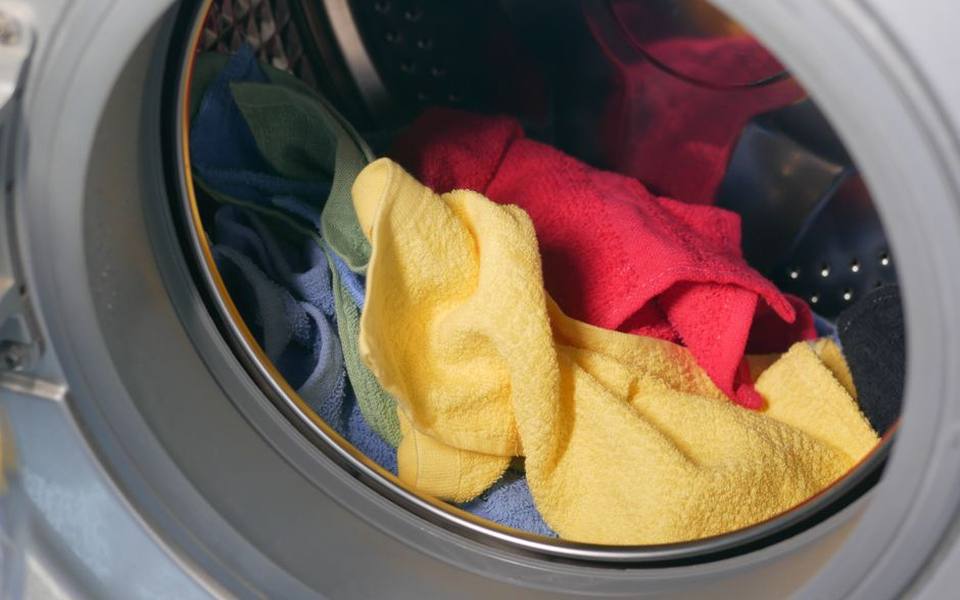
After you have treated the stain with solvents and lifted the visible pigment, running the garment through the washing machine completes the cleanup. Wash the item using your standard heavy-duty laundry detergent, setting the water temperature to cold or lukewarm. Cold water prevents any microscopic paint remnants still lingering in the fibers from cooking into the cloth during the agitation cycle.
The single most critical rule of removing paint from clothing happens after the washing machine chimes: never place the garment into a heated tumble dryer until you inspect the spot under bright natural light. The intense heat of a home clothes dryer functions identically to an industrial curing oven. Dryer heat bakes lingering acrylic polymers into the textile structure, permanently cross-linking the stain and making future removal nearly impossible.
Inspect the wet garment carefully around seams, pockets, and high-wear friction zones where pigment hides. If you detect any discoloration or stiffness in the fabric weave, allow the garment to air dry on a hanger at room temperature. Air drying preserves your ability to re-treat the stubborn area with another round of solvent and scrubbing, whereas one tumble drying cycle locks it in permanently.
Mechanical scraping and softening hardened, multi-layered residue
Garments that have accumulated multiple layers of paint from home renovation projects or studio art sessions often feature thick, raised ridges of hardened material. Attempting to wash away a thick block of acrylic with liquid solvent alone is inefficient because the solvent only reaches the exterior millimeter of the crust, leaving the underlying paint intact.
To address thick paint buildups, use mechanical softening first. Hold a warm, damp cloth against the dried deposit for several minutes to hydrate the outer edge, or briefly use a handheld clothes steamer from a few inches away to soften the plastic binder. Once the paint shows slight pliability, scrape the high spots with the dull back edge of a butter knife or an old plastic gift card.
Be extremely conservative when applying pressure near seams or thin knit fabrics. Aggressive scraping can sever warp threads, resulting in small holes or fabric fraying once the garment is washed. Work slowly, removing one paper-thin layer of paint at a time, followed by alcohol saturation to dissolve the final layer that directly touches the textile surface.
Building a field-ready stain kit for active weekends
Whether you spend weekends working on outdoor creative projects, painting interiors, or visiting outdoor arenas listed on the national paintball field directory, carrying basic cleaning supplies in your vehicle saves gear from permanent ruin. A compact stain kit takes up very little trunk space and gives you the ability to treat pigment within minutes of impact.
Pack a small travel-sized spray bottle filled with rubbing alcohol, a small squeeze bottle of concentrated liquid dish soap, a clean toothbrush, and a roll of heavy paper towels in a sealable storage bag. Having these simple tools handy means you can isolate a fresh spill in a parking lot or staging area before driving home in the heat.
When clothing gets heavily soiled during weekend activities, store the garments inside a breathable mesh bag or loosely folded inside a plastic tote rather than baking in direct sun behind your windshield. Heat inside an enclosed vehicle can dry fresh paint splatters in less than an hour. Simple proactive measures keep your outdoor gear, jeans, and favorite everyday clothes wearable for seasons to come.
Published 2026-09-21 · reviewed with each rebuild, last October 2026.
Find paintball fields & fun centers near you
The directory lists 36,923 paintball fields & fun centers by state and city — pick your state or use the “Near me” button in the header.
More guides
-
 Service
Where and How to Refill Paintball CO2 and HPA Tanks
-
 Buying
A Guide to Purchasing Your Own Paintball Equipment
-
 Safety
Paintball vs Airsoft: Evaluating Impact, Costs, and Removing Stubborn Stains
-
 Money
MoneyHow Much Does Paintball Cost? Field Fees, Rental Packages, and Ammo Math
-
 Safety
Does Paintball Hurt? Safety, Bruises, Clothing, and Stains
-
 Buying
Where to Sell Used Paintball Guns Safely and Clean Up Gear
-
 Safety
Beginner's Guide to Paintball: Understanding Game Formats and Rules
-
 Money
MoneyPaintball Cost Guide: Equipment, Field Fees, and Play Prices
-
 Buying
Tactical and Military Boots: Brands, Comfort, and Field Selection
-
 Service
Corporate Team Building and Outdoor Adventure Events: The Complete Organizer's Guide
-
 Buying
Laser Tag Arenas, Equipment, and Home Party Rentals Guide
-
 Safety
LiPo Battery Maintenance, Safe Charging, and Balance Chargers for Gear
-
 Service
Indoor and Outdoor Paintball Fields: Venue Selection, Booking, and Rules
-
 Buying
Complete Paintball Equipment Guide: Markers, Air Tanks, Jerseys, and Field Attire
-
 Safety
Whitewater Rafting and River Adventure Parks: Destinations, Trips, and Safety Guide
-
 Safety
Airsoft Fields and Arenas Guide: Indoor vs Outdoor Venues, Rules, and Rentals
-
 Buying
Laser Tag Centers, Home Equipment, and Event Planning Complete Guide
-
 Service
Paintball Fields, Scenario Games, Night Ops, and Arena Booking Guide
-
 Safety
Ziplining and Aerial Trekking Parks: Top Courses, Safety Standards, and Booking
-
 Buying
Tactical Combat Boots Buying Guide: Military Specs, Fit, and Durability
-
 Owning
Paintball Marker Maintenance, Air Systems, and Tank Safety Guide
-
 Safety
What to Wear for Paintball: Clothing, Protective Gear, and Cleaning Paint Stains
-
 Owning
Airsoft Gear and Milsim Accessories: Speedloaders, Tracers, and Camouflage
-
 Safety
Paintball Age Limits, Tactics, and Corporate Event Planning
-
 Safety
Complete Guide to LiPo and RC Battery Chargers: Safety, Storage, and Voltage Care
-
 Owning
Paintball Video Games, Consoles, and Digital Arenas: An Off-Field Player Guide
-
 Service
CO2 Tank Refills and Compressed Air Systems: Options, Locations, and Safety Rules
-
 Owning
Archery Games Guide: Online Simulators to Adult Field Events
-
 Buying
Complete Airsoft Guns and Equipment Guide: Reviews, Rentals, and Legal Safety
-
 Owning
Paintball Gear & Maintenance Guide: Custom Apparel, Tank Fills, and Stain Removal
-
 Service
Ultimate Guide to Indoor Soccer Zones: Leagues, Facilities, and Play Options