Selecting and Caring for Custom Paintball Jerseys
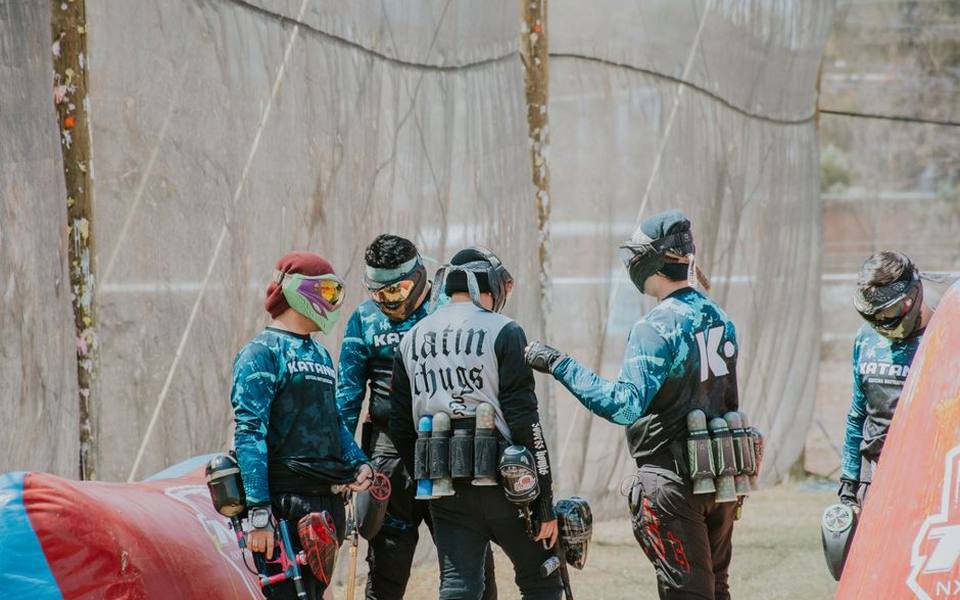
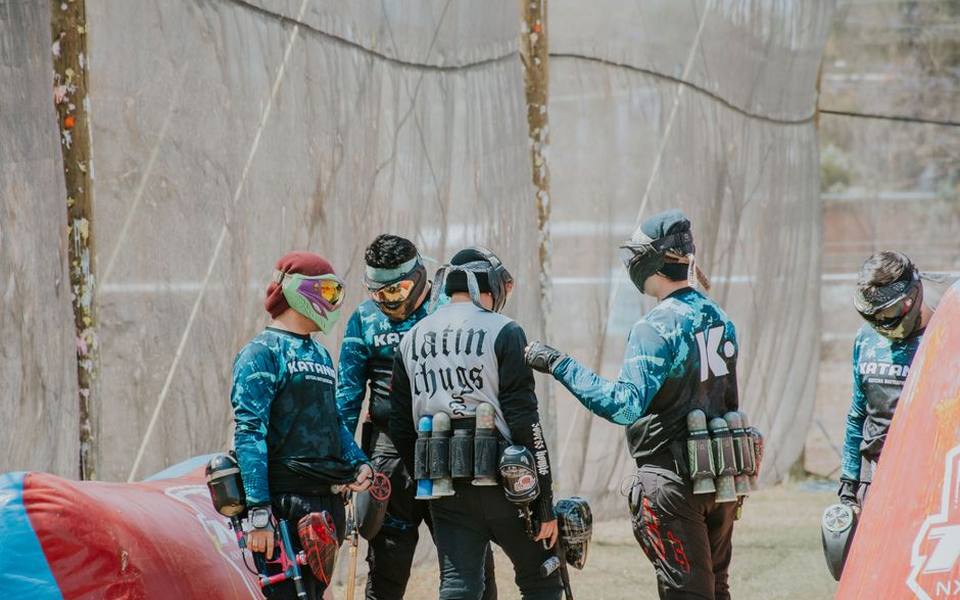
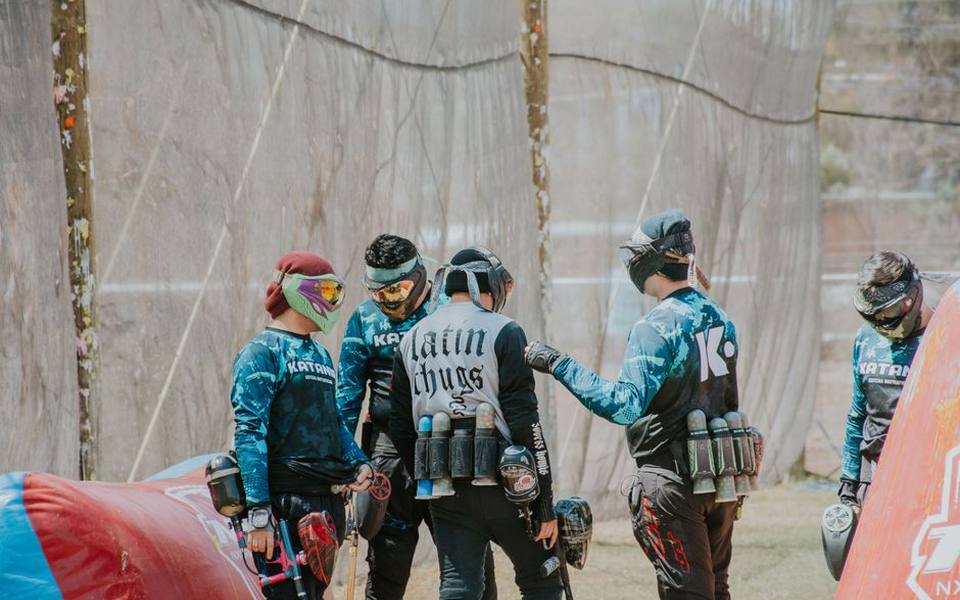
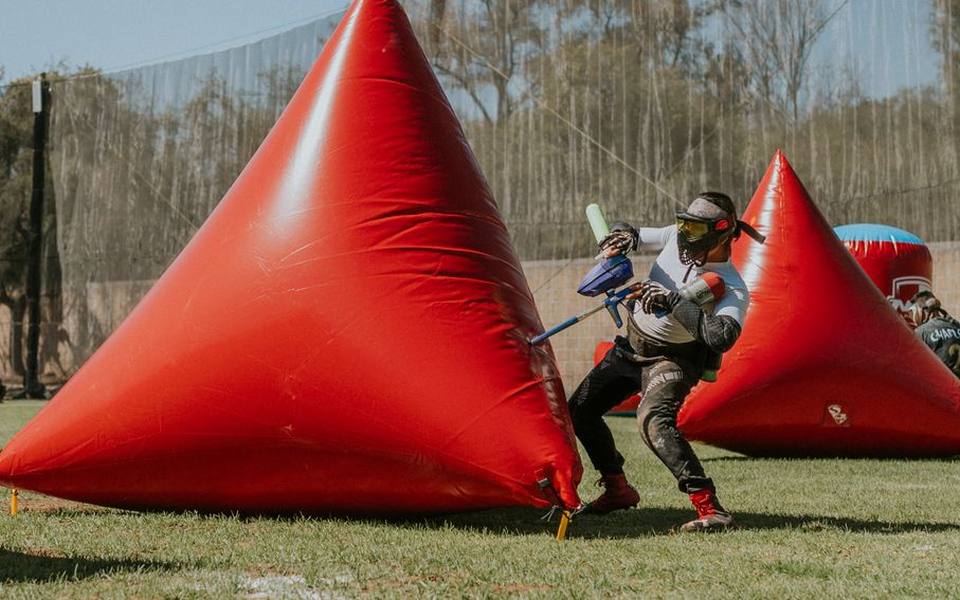
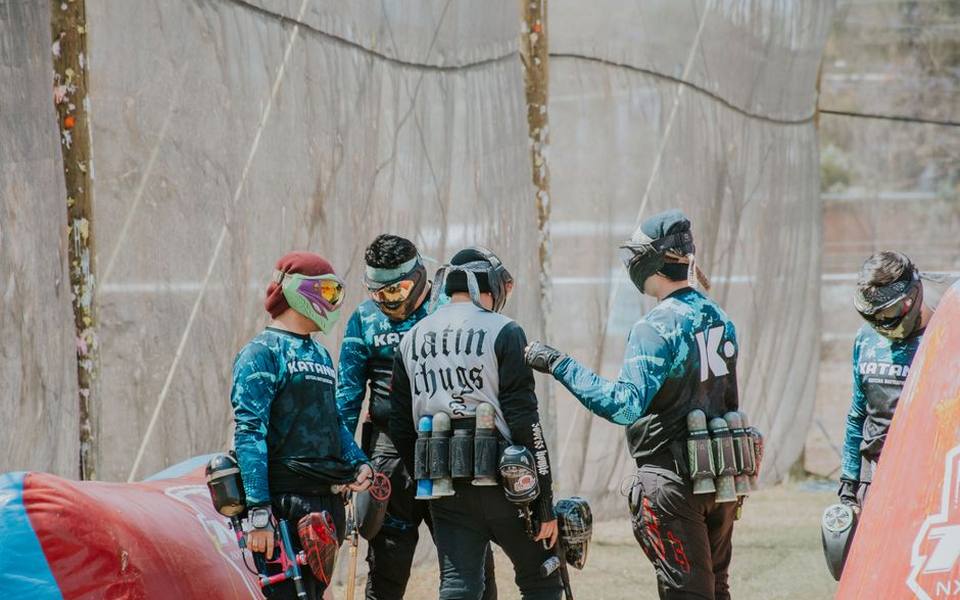
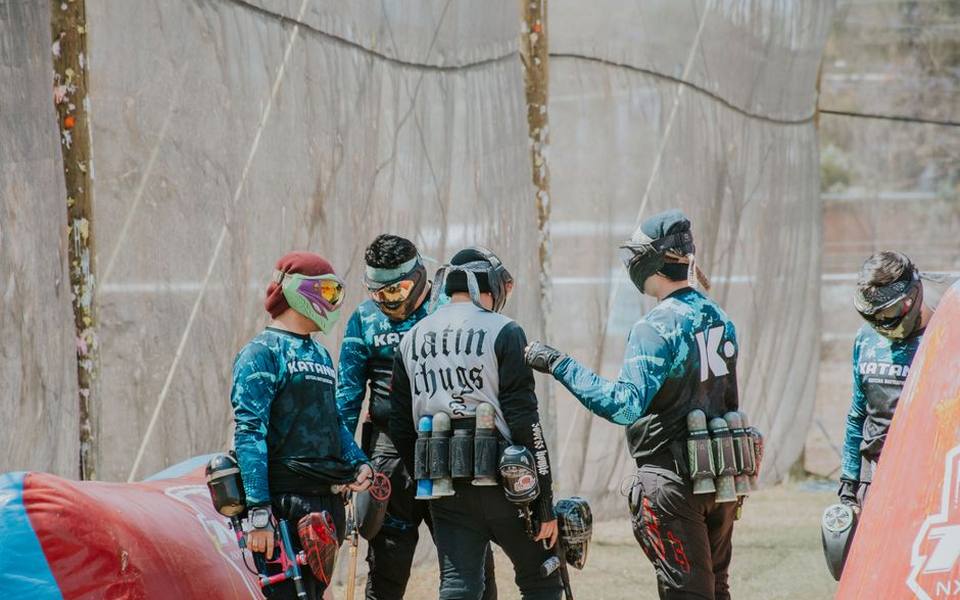
Specialized team tops serve a much greater functional role on the field than standard cotton athletic wear. Modern custom jerseys utilize high-tensile polyester fabrics built with dye-sublimation printing, ensuring vibrant team colors and sponsor logos do not flake, peel, or wash away after intense weekends in the brush. In addition to visual identity, these tops incorporate reinforced forearm zones made of abrasion-resistant nylon, built-in thumb loops to prevent sleeves from riding up during dives, and mesh side inserts that maximize air circulation under heavy loadout vests.
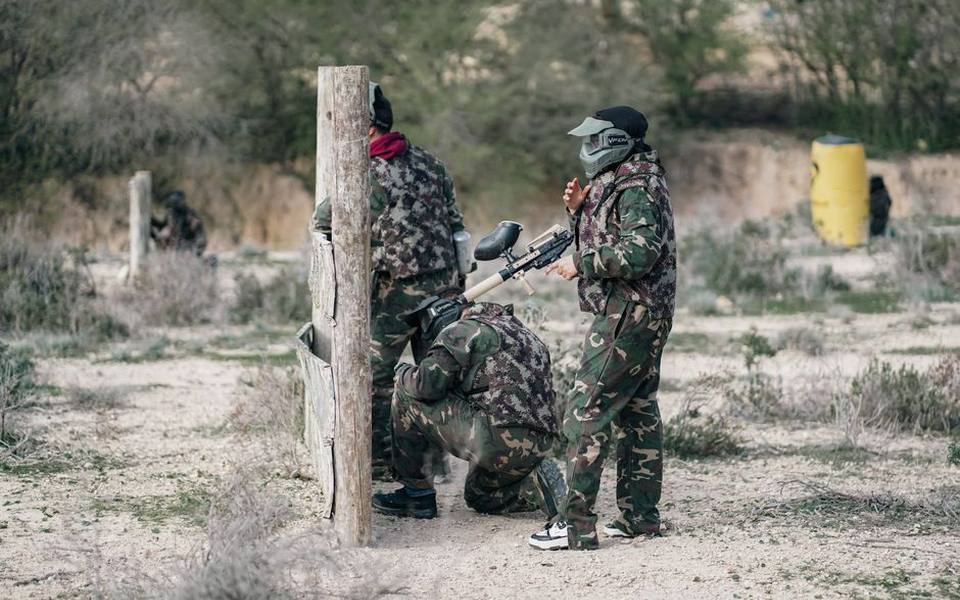
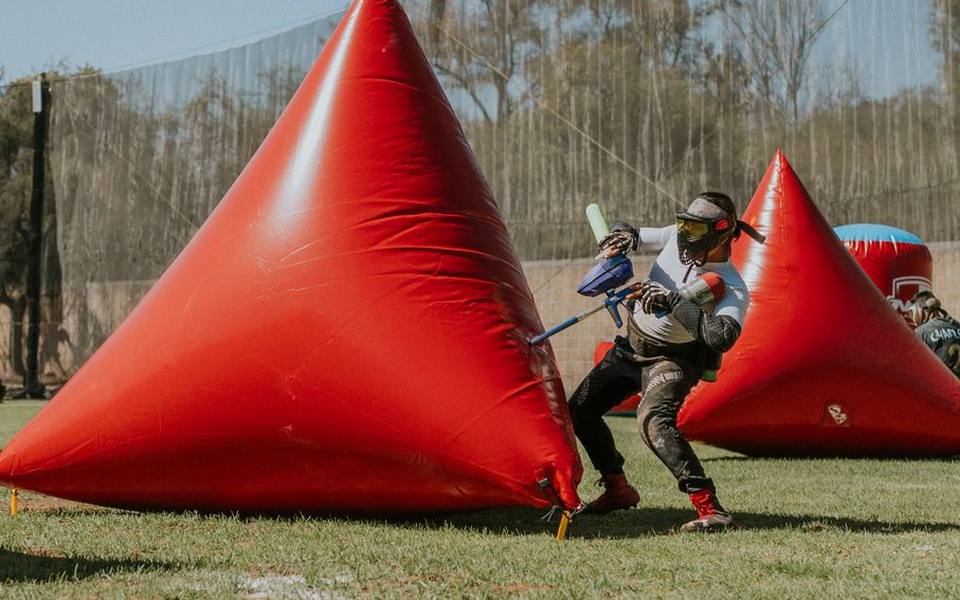
Choosing the right build depends on whether your team plays tournament speedball on manicured turf or woodsball across uneven forest trails. Tournament apparel tends to feature lightweight, moisture-wicking synthetic fabrics with minimal foam padding around the chest and collarbones, giving players unrestricted speed and rapid trigger mobility. Conversely, tactical scenarios often benefit from heavier ripstop blends across the shoulders and arms, which withstand thorny brush, tree bark, and sharp bunker edges far better over repeated outings.
Maintaining technical apparel requires gentle laundering practices to preserve both moisture-wicking coatings and foam-core protective inserts. Always fasten any open hook-and-loop straps before placing items into the wash to prevent snags on delicate micro-mesh surfaces. Use cold water with a gentle, non-bleach laundry detergent, and skip liquid fabric softeners entirely because they leave waxy coatings that clog technical fabric pores. Air drying on a heavy plastic hanger is always preferred over machine drying, as high dryer heat degrades elastic cuffs and warps synthetic padding.
Footwear Selection: Tactical Hiking Boots for Field Mobility
Navigating outdoor timberlands, gravel mounds, and slippery grass banks requires footwear that blends agile movement with firm ankle stability. Tactical hiking footwear has emerged as a favorite among recreational and scenario players because it borrows low-weight athletic construction while incorporating rugged outsole lugs. A good pair uses multidirectional lug patterns that shed mud quickly rather than packing it between tread blocks, preventing unexpected slips when accelerating out of defensive bunkers or breaking across wet sidelines.

Ankle support remains a major consideration when playing on natural terrain filled with hidden roots, rabbit holes, and slick mud. Mid-cut and high-cut tactical trail designs wrap around the ankle joint with cushioned collars, helping prevent sudden rollover sprains without locking your leg into an overly rigid, cast-like angle. Synthetic breathable uppers reinforced with polyurethane overlays allow your feet to shed heat during warm afternoon matches, while water-resistant inner membranes keep morning dew from soaking into your socks during early games.
When preparing for multi-hour woodland sessions, breaking in your footwear well before arriving at the field is essential for foot health. Take your boots on several brisk walks around the neighborhood to soften the midsole cushioning and identify any friction points against your heels. Pairing your boots with merino wool or dense synthetic blend socks reduces blisters dramatically by managing sweat much better than standard cotton athletic socks can manage throughout an exhausting day of running.
Safety Toe and Combat Boots for Rugged Playing Conditions
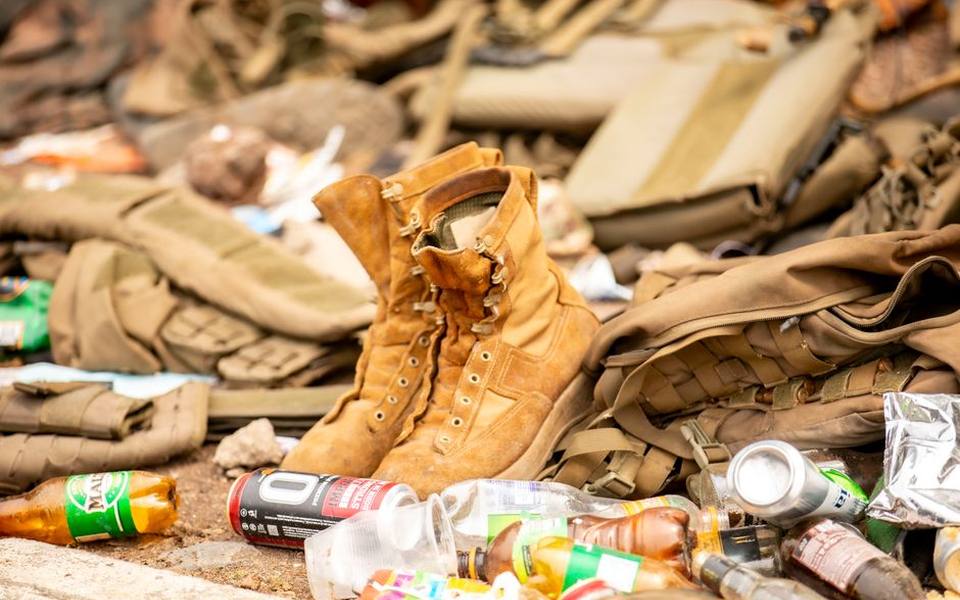
Some players prefer the uncompromising structure of combat footwear when battling through abandoned buildings, rocky canyons, or brush-heavy scenario venues. Steel toe military boots provide maximum protection against crushed toes caused by falling debris, heavy barricades, or jagged rocks. However, the extra mass of steel caps can noticeably slow down sprinting speed during fast-paced matches, making them better suited for defensive woodsball defenders or heavy gunners who prioritize personal safety over rapid sprinting.
Modern tactical footwear also offers safety toe military boots built with composite caps made from carbon fiber, fiberglass, or hardened Kevlar. These composite alternatives meet standard workplace impact benchmarks while remaining significantly lighter than steel, and they do not transfer cold temperatures into your toes during freezing late-autumn tournaments. If you already own protective footwear for your day job in construction or warehousing, you can certainly repurpose those boots for weekend field sessions provided the tread provides sufficient outdoor traction.
Regardless of whether you choose steel or composite protection, look for boots featuring oil-resistant, high-traction rubber outsoles with deep perimeter lugs for braking control. Padded insoles with shock-absorbing gel inserts help cushion repeated jumps off tactical staging platforms, flatbed trailers, and elevated trench banks. Make sure to clean packed dirt and dried field clay out of the tread immediately after every match day to prevent rubber compounds from drying out and cracking prematurely.
Managing High-Pressure Air Fills and Scuba Cascades
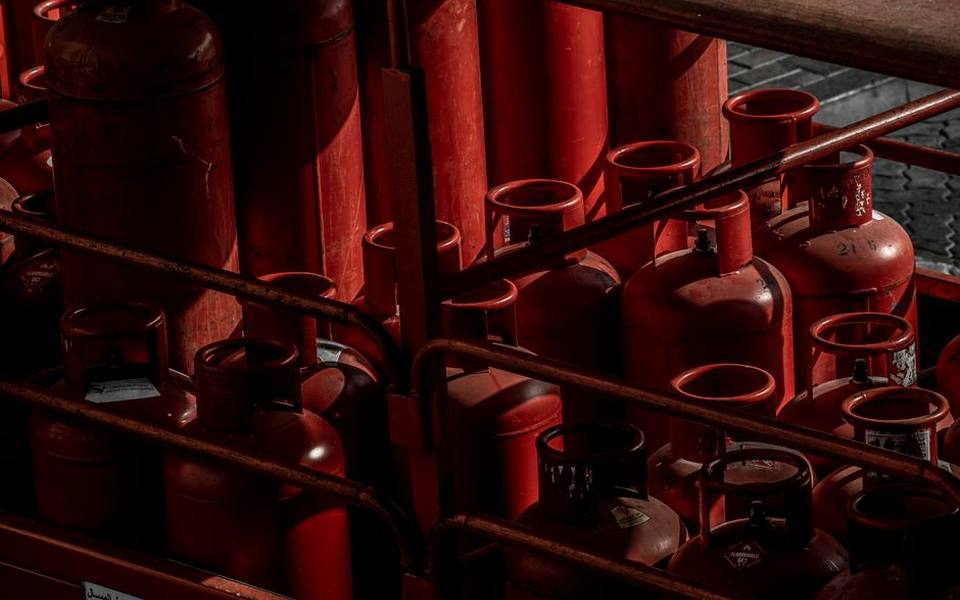
Operating modern pneumatic markers requires reliable access to clean high-pressure air, commonly referred to as HPA. While smaller carbon fiber and aluminum bottles attach directly to markers, many private groups and remote woodsball fields maintain a primary bulk reservoir using a large scuba tank fill setup. Standard scuba cylinders hold compressed breathing air at ratings typically ranging from three thousand to four thousand five hundred pounds per square inch, allowing players to refill individual bottles multiple times using a dedicated yoke fill adapter.
Getting a scuba cylinder recharged requires visiting a certified local dive center, specialized commercial air supplier, or full-service commercial paintball park. Dive technicians will inspect the visual inspection sticker and hydro-test date stamped into the neck of the cylinder before hooking it up to their commercial compressor. High-pressure air systems must be maintained meticulously; moisture or fine oil vapor entering an air bottle can contaminate your marker internals, damage delicate regulator shims, and cause inconsistent muzzle velocity out on the firing range.
If you use scuba tanks off-grid, operating a cascade system consisting of two or three bulk tanks linked together is far more efficient than drawing from a single reservoir. By filling your empty marker tank from the lowest-pressure bulk cylinder first and topping it off from your freshest, highest-pressure cylinder, you extract considerably more total usable fills per outing. Always open fill station valves slowly to prevent heat buildup caused by rapid gas compression, which can otherwise trigger safety burst discs or damage internal tank seals.
Removing Paintball Fill Stains from Playing Pants and Gear
Paintball fills are engineered specifically to wash away without permanent stains, utilizing water-soluble bases like polyethylene glycol mixed with food-grade dyes and cosmetic waxes. However, if bright yellow or neon orange splatters are left to bake in hot trunks or direct sunlight for days, the coloring agents can anchor deeply into woven fabrics. Understanding how to get paint off pants starts with scraping off any thick crust with a plastic putty knife or dull card before applying water.
Begin by pre-rinsing the stained garments under a strong stream of cold tap water, working from the inside of the fabric outward to force the pigment out rather than driving it deeper into the weaves. Avoid using hot water at this preliminary stage, as heat can bind protein and dye residues into synthetic microfibers. Once the surface residue is clear, rub a small amount of liquid dish soap or heavy-duty laundry detergent directly into the remaining discoloration, allowing it to rest for twenty minutes.
Wash the treated pants in your washing machine using cold water and a standard heavy-soil wash cycle alongside other rugged play gear. Inspect the fabric carefully before transferring it into the dryer; if any hint of dye remains visible on knee panels or pockets, repeat the spot treatment with an enzyme-based stain spray and wash the garment once more. Tossing stained clothing into a high-heat tumble dryer before stains are fully lifted will bake the dye permanently into the fibers.
Handling Washable Water-Based and Children's Craft Paints
Family staging areas and party outings frequently expose everyday clothing to tempera colors and art station messes. Learning how to remove water based paint from clothing is straightforward because these formulations are developed around soluble emulsifiers. The process begins by acting quickly before the moisture evaporates, blotting fresh splatters gently with a damp paper towel to lift the wet mass without smearing it across clean garment sections.

When dealing with dried school projects, parents often need to know how to get childrens paint out of clothes without ruining bright school wear. Soak the affected garment in a basin filled with cool water and a few tablespoons of gentle liquid dish soap for roughly thirty minutes to soften hardened tempera blocks. Gently massage the fibers with your fingers or a soft-bristled toothbrush to release the paint particles from between the cotton yarns before running standard laundry.
For particularly stubborn craft pigments dried into cotton or fleece hoodies, mixing equal parts liquid hand soap and rubbing alcohol provides an effective spot solution. Dab this mixture onto the spots using a cotton swab, working gently from the perimeter toward the center to avoid halo rings. Once the pigment dissolves into the solution, rinse thoroughly under running water and complete a normal machine wash cycle, keeping the item out of the dryer until clean.
Tackling Hardened Latex Paint on Household and Field Fabrics
Latex house paints and exterior coatings present a much tougher chemical challenge than washable hobby paints because they dry into continuous plasticized rubber films. Figuring out how to get dried latex paint out of clothes requires breaking down the vinyl or acrylic polymers that hold the dried film against the textile yarn. If you brush against fresh repairs or bunker touch-ups around an indoor field, standard water alone will no longer dissolve the dried latex layer.
The most reliable solvent for tackling dried latex on common garments is standard isopropyl alcohol with a concentration of seventy percent or higher. Place the stained section over a stack of dry paper towels, then saturate the back of the fabric with rubbing alcohol. The alcohol begins softening the latex binder within minutes, converting the tough rubbery skin into a gummy, workable consistency that you can gently scrape away with a plastic edge or thumbnail.
After scraping away the bulk of the softened latex, scrub the remaining residue with an old toothbrush dipped in warm water and liquid dish soap. Rinse the garment thoroughly under warm water to carry away microscopic latex crumbs, then wash the article in your washing machine on its warmest recommended setting. If faint discoloration persists on cotton canvas or denim, applying denatured alcohol or a commercial latex remover to the spot will safely finish the job.
Removing Dimensional and Puffy Craft Paints from Garments
Dimensional paints, often called puffy paints, are formulated with specialized acrylic resins designed to expand into flexible, thick rubbery designs on fabric. Knowing how to get puffy paint out of clothes becomes necessary when craft projects go awry or stray marks land on everyday apparel. Because puffy formulas form a thick mechanical bond around textile strands, surface rubbing alone will rarely dislodge the plastic mass without damaging underlying threads.
The most effective approach involves using gentle heat or solvent breakdown to weaken the adhesive grip of the acrylic polymer. In many instances, applying rubbing alcohol to the back of the fabric and letting it penetrate for ten minutes softens the rubber base enough that you can peel the puffy layer off in intact chunks. A wooden craft stick or blunt butter knife helps lift the perimeter edges without tearing or fraying cotton fibers.
For heat-set dimensional paint that resists alcohol treatments, placing a clean cotton cloth over the spot and applying brief warmth with an iron set to low steam can sometimes re-soften the pliable backing. Once the paint warms, immediately lift the raised edges before the material cools and resets. After peeling away the dimensional layer, wash the garment with heavy-duty detergent to eliminate any residual adhesive that might attract lint over time.
Group Entertainment Options and Laser Tag Cost Expectations
When organizing birthdays, school trips, or casual team-building outings, organizers frequently weigh paintball against lower-impact alternatives like laser tag or tactical arcade games. Asking how much does laser tag cost depends largely on whether you purchase individual public games, hourly wristbands, or bundled private room rentals. A single ten-to-fifteen-minute mission typically costs between eight and fifteen dollars per player, while unlimited passes or group packages generally run higher depending on the facility format.
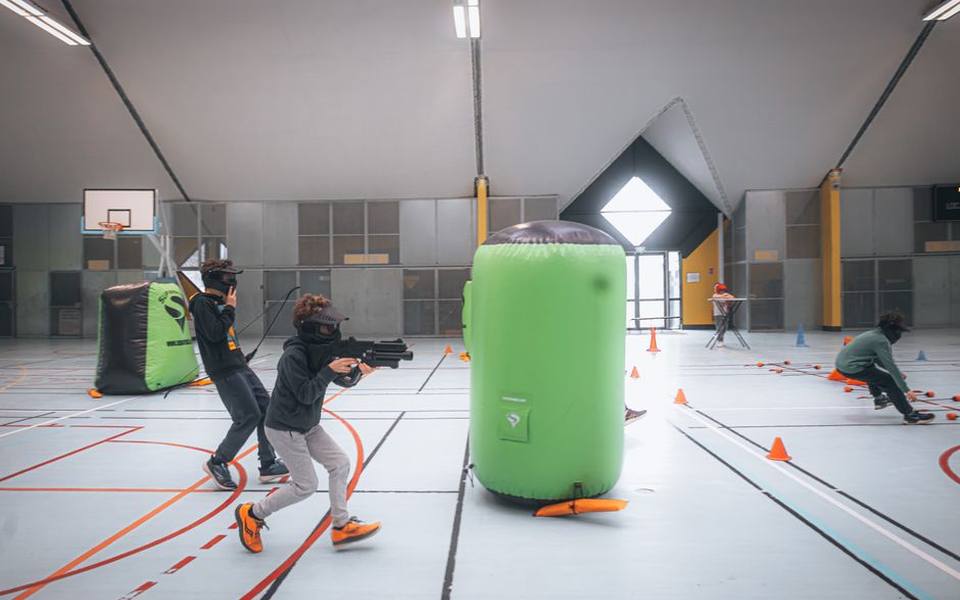
Many family entertainment centers and competitive action parks that feature party packages structure their pricing around multi-game bundles. Booking a group event with pizza, private party hosting, and two to three games typically ranges between twenty and thirty-five dollars per person in most regions. This structure makes laser tag an accessible, zero-mess introduction to tactical team gaming, especially for younger participants who might feel hesitant about the physical sting of outdoor projectile impacts.
Hybrid entertainment centers throughout regions like Texas and California often house indoor laser arenas alongside target ranges or airsoft games on-site. Comparing overall expenses between these disciplines shows that laser tag carries virtually zero secondary equipment rental fees, as vests and phasers come included in standard admission. Conversely, projectile sports require ongoing purchases of paintballs, protective goggle rentals, and compressed air refills, which can gradually increase the overall group investment across a full afternoon.
Post-Game Gear Care and Long-Term Storage Routines
Protecting your tactical gear between outings extends its operational lifespan and ensures peak performance when game day arrives. Always wipe down thermal goggle lenses using only a clean microfiber cloth and water or specialized anti-fog spray, as harsh household cleaners degrade delicate anti-fog coatings and craze polycarbonate surfaces. Empty your tactical vest, dump pouch, and pant pockets completely after matches to remove broken paint shells, foliage, and damp soil that encourage mildew growth in dark equipment bags.
Store your compressed air bottles in a cool, dry room away from direct window sunlight, ensuring fill nipples remain covered with silicone dust caps to prevent debris from lodging inside tiny check valves. Regularly check the hydrostatic test stamps on your carbon fiber tanks, which in most states requires recertification every five years to remain legal for commercial field fills. Unload your electronic loaders, remove disposable batteries during extended storage breaks, and keep marker internals lightly lubricated with factory-recommended silicone oil or grease.
Taking an extra hour to wash team jerseys, scrub tactical boot tread, and air out equipment bags pays massive dividends throughout a busy tournament season. Clean gear prevents marker jams on the staging table, preserves protective padding, and keeps your entire setup ready for action whenever your local group calls for an impromptu weekend scenario.
Published 2026-09-21 · reviewed with each rebuild, last October 2026.
Find paintball fields & fun centers near you
The directory lists 36,923 paintball fields & fun centers by state and city — pick your state or use the “Near me” button in the header.
More guides
-
 Service
Where and How to Refill Paintball CO2 and HPA Tanks
-
 Buying
A Guide to Purchasing Your Own Paintball Equipment
-
 Safety
Paintball vs Airsoft: Evaluating Impact, Costs, and Removing Stubborn Stains
-
 Money
MoneyHow Much Does Paintball Cost? Field Fees, Rental Packages, and Ammo Math
-
 Safety
Does Paintball Hurt? Safety, Bruises, Clothing, and Stains
-
 Buying
Where to Sell Used Paintball Guns Safely and Clean Up Gear
-
 Safety
Beginner's Guide to Paintball: Understanding Game Formats and Rules
-
 Money
MoneyPaintball Cost Guide: Equipment, Field Fees, and Play Prices
-
 Owning
How to Remove Paint and Acrylic Stains from Clothing and Fabrics
-
 Buying
Tactical and Military Boots: Brands, Comfort, and Field Selection
-
 Service
Corporate Team Building and Outdoor Adventure Events: The Complete Organizer's Guide
-
 Buying
Laser Tag Arenas, Equipment, and Home Party Rentals Guide
-
 Safety
LiPo Battery Maintenance, Safe Charging, and Balance Chargers for Gear
-
 Service
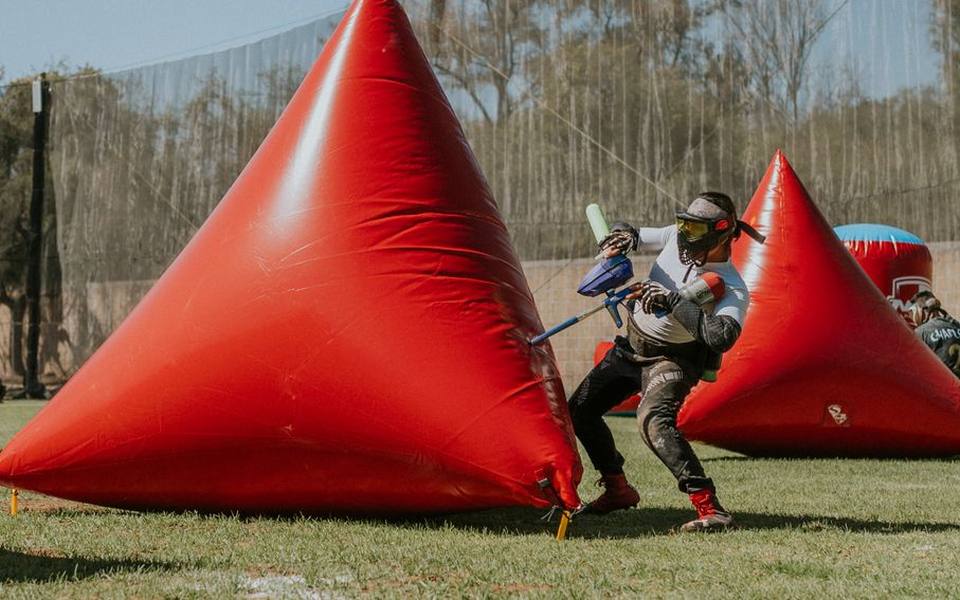
Indoor and Outdoor Paintball Fields: Venue Selection, Booking, and Rules
-
 Buying
Complete Paintball Equipment Guide: Markers, Air Tanks, Jerseys, and Field Attire
-
 Safety
Whitewater Rafting and River Adventure Parks: Destinations, Trips, and Safety Guide
-
 Safety
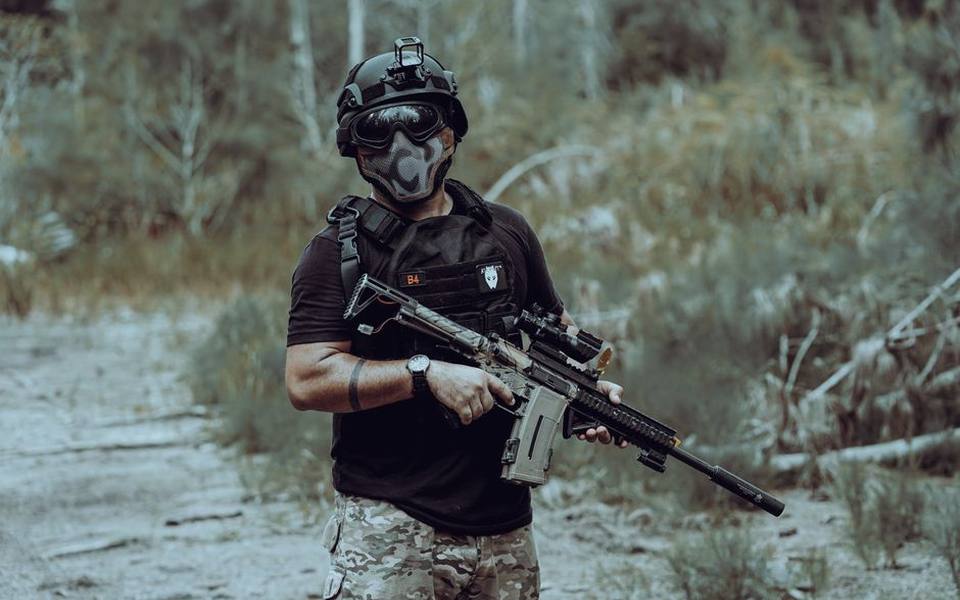
Airsoft Fields and Arenas Guide: Indoor vs Outdoor Venues, Rules, and Rentals
-
 Buying
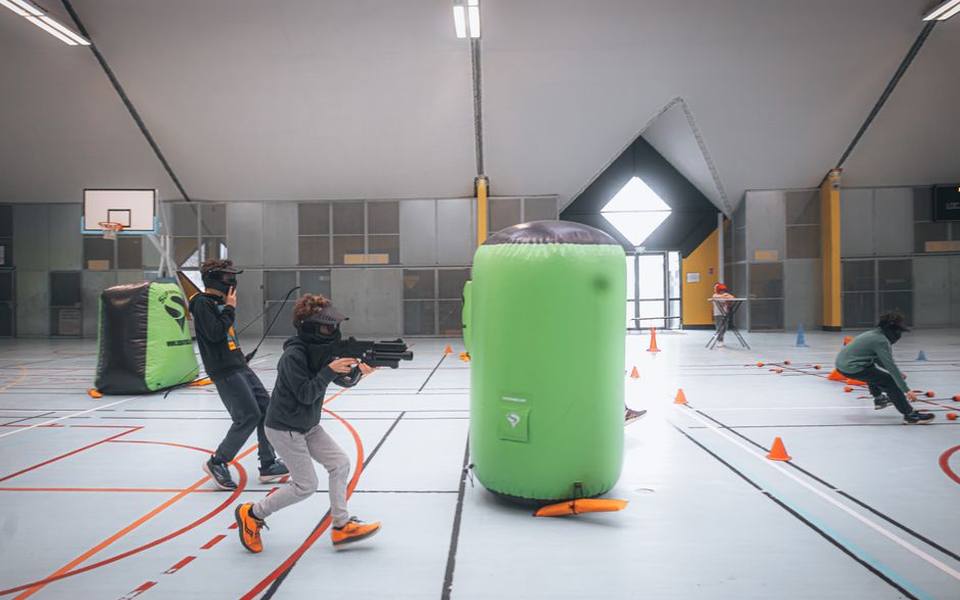
Laser Tag Centers, Home Equipment, and Event Planning Complete Guide
-
 Service
Paintball Fields, Scenario Games, Night Ops, and Arena Booking Guide
-
 Safety
Ziplining and Aerial Trekking Parks: Top Courses, Safety Standards, and Booking
-
 Buying
Tactical Combat Boots Buying Guide: Military Specs, Fit, and Durability
-
 Owning
Paintball Marker Maintenance, Air Systems, and Tank Safety Guide
-
 Safety
What to Wear for Paintball: Clothing, Protective Gear, and Cleaning Paint Stains
-
 Owning
Airsoft Gear and Milsim Accessories: Speedloaders, Tracers, and Camouflage
-
 Safety
Paintball Age Limits, Tactics, and Corporate Event Planning
-
 Safety
Complete Guide to LiPo and RC Battery Chargers: Safety, Storage, and Voltage Care
-
 Owning
Paintball Video Games, Consoles, and Digital Arenas: An Off-Field Player Guide
-
 Service
CO2 Tank Refills and Compressed Air Systems: Options, Locations, and Safety Rules
-
 Owning
Archery Games Guide: Online Simulators to Adult Field Events
-
 Buying
Complete Airsoft Guns and Equipment Guide: Reviews, Rentals, and Legal Safety
-
 Service
Ultimate Guide to Indoor Soccer Zones: Leagues, Facilities, and Play Options