Getting familiar with the playing field
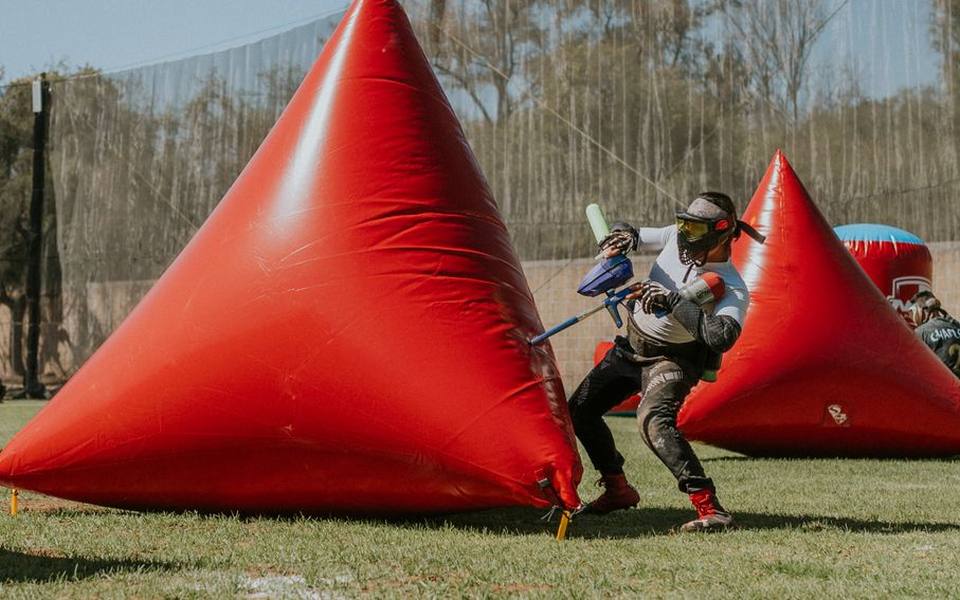
Paintball is a competitive team sport where players eliminate opponents by hitting them with dye-filled capsules. As a newcomer, you will encounter a few distinct styles of play, with the most heavily structured being speedball. This format takes place on a flat field filled with brightly colored, inflatable bunkers placed symmetrically. Unlike woodsball where matches can stretch on, this version is fast-paced and relies heavily on quick communication.
When arriving at a facility, the variety of equipment can seem overwhelming. You will usually receive a standard rental package that includes a marker, a hopper, an air tank, and a protective mask. The staff will run through a safety briefing, explaining how the gear operates. It helps to listen closely to these instructions, as maintaining a safe environment is the top priority for field operators everywhere.
Most standard recreational days involve dividing everyone into two even teams based on experience levels. You might play capture the flag or scenarios where one team defends a specific point. If the weather turns poor, many players look for an indoor field to keep the game going. Regardless of the environment, the core objective remains the same: work with teammates to outmaneuver the other side while avoiding getting marked.
Why the inflatable bunker format stands out
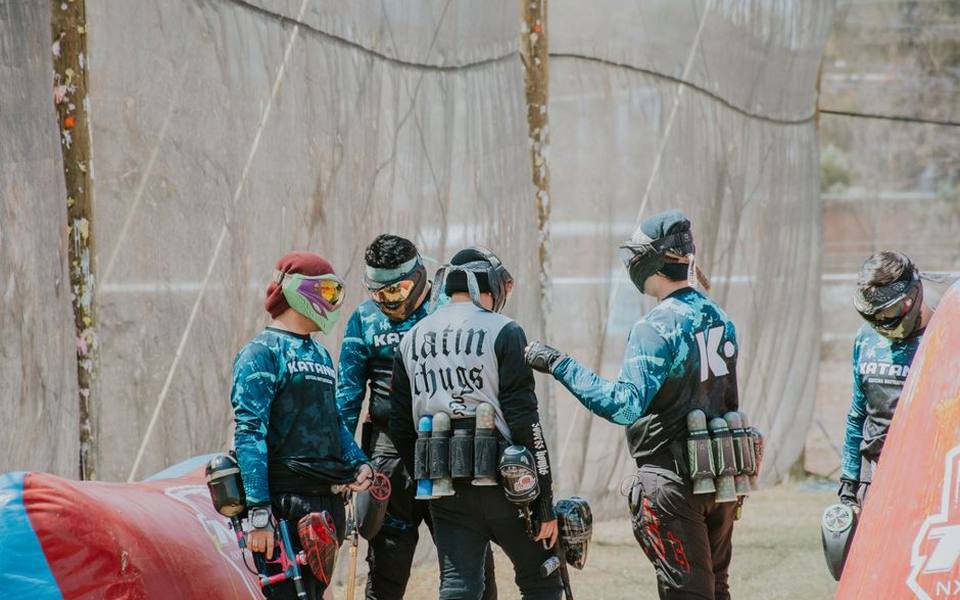
Speedball is designed specifically to remove the unpredictable elements of playing in a natural forest setting. Because the terrain is flat and covered in turf, players do not have to worry about tripping over roots. The inflatable obstacles are arranged so neither team has a geographical advantage. Winning depends heavily on teamwork, shooting angles, and how quickly players can move from one cover point to the next.
Communication is heavily emphasized in this style of play. Because the arena is relatively small, players can see the entire layout and call out opponent locations to their teammates. You will often hear players shouting the names of specific bunkers to indicate where the other team is hiding. This stream of information allows teams to coordinate their pushes and trap their opponents in difficult crossfires.
While associated with regional tournaments, recreational players are generally welcome to try it out on weekend open-play sessions. You do not need professional-grade equipment to step onto these layouts, though seasoned participants often use electronic markers. If you are organizing an outing, finding party packages that include access to both wooded spaces and these faster-paced arenas can give your group a well-rounded experience.
Standard safety protocols and gameplay regulations
The single most critical rule at any facility is keeping your protective mask on while in a designated live-fire zone. Eye and face protection must remain completely secured over your head until a referee explicitly states the game is over. Even if your lens fogs up, removing the mask during a match is strictly prohibited. Referees will immediately pull a player for a mask violation to prevent serious injury.
A player is considered eliminated when a paintball hits them and breaks, leaving a mark of bright dye on their gear. If the ball hits you but bounces off without breaking, you are typically still active, though local rules sometimes vary. Once marked, standard etiquette requires you to raise your hand high in the air and loudly announce that you are out so opponents stop firing.
Fields enforce strict rules regarding how fast a marker can shoot, measured in feet per second. Before joining a match, staff will require you to shoot over a radar device to ensure your equipment is firing safely within limits. Whether playing at one of the 114 locations in Texas or elsewhere, standard velocity limits generally sit around a specific threshold to minimize the sting of a hit.
Preparing for your first day on the field
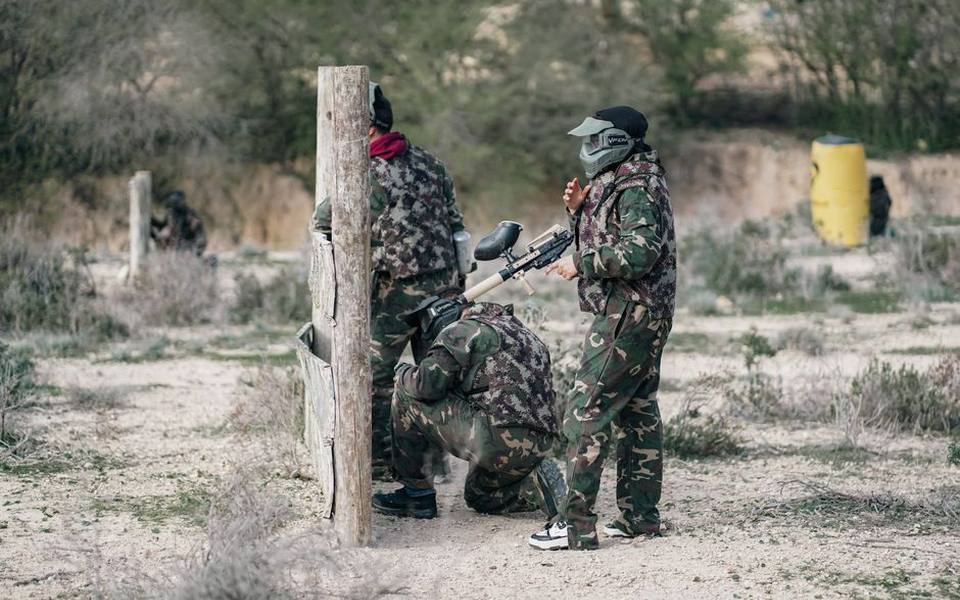
Dressing appropriately makes a significant difference in how much you enjoy your initial outing. It is recommended to wear long sleeves and pants made from durable fabric to protect your skin from scratches and the impact of the paint. Baggy clothing is often preferred because it absorbs energy from incoming shots, sometimes causing the ball to bounce. Dark or earthy colors tend to work best in wooded areas.
Proper footwear is just as important given the running, crouching, and sudden stops involved. Cleats with molded plastic studs are incredibly popular because they provide excellent traction on dirt and artificial turf. If you do not own cleats, a sturdy pair of hiking boots or running shoes with decent tread will work. Avoid completely flat-soled sneakers, as they can cause slipping on wet grass or paint-slicked surfaces.
Many new players wonder about bringing additional gear for the day. Having a clean microfiber cloth in your pocket is useful for wiping away old hits between games or cleaning splatters off your mask. Staying hydrated is vital, so bringing plenty of water will help maintain your energy. Some facilities, including those offering airsoft games on-site, have concession stands, but arriving prepared ensures comfort.
Transitioning from beginner to regular participant
After a few visits, many players decide to move past rental equipment and purchase personal gear. The most common advice from veterans is to invest in a high-quality thermal mask before anything else. A thermal lens uses a dual-pane system that heavily resists fogging, ensuring you maintain clear vision. Being able to see properly improves the overall experience far more than having a faster or lighter marker.
As you start attending more regularly, you will pick up on advanced strategies and field positioning. You will learn how to use cover more effectively, exposing only a small portion of your body when trying to locate opponents. It becomes easier to anticipate how matches flow, knowing when to hold your position and when to push forward. Connecting with local players often leads to helpful tips.
Finding the right facility can shape your long-term interest in playing. Trying out different locations allows you to experience unique terrain and distinct refereeing styles. For instance, visiting some of the 111 fields in California might reveal entirely different layouts compared to other regions, ranging from dense forests to maintained turf arenas. This variety keeps the activity fresh and encourages you to continually adapt your playing style.
Published 2026-09-20 · reviewed with each rebuild, last September 2026.
Find paintball fields near you
The directory lists 1,001 paintball fields by state and city — pick your state or use the “Near me” button in the header.
More guides
-
 Service
Where and How to Refill Paintball CO2 and HPA Tanks
-
 Buying
A Guide to Purchasing Your Own Paintball Equipment
-
 Safety
Evaluating the Impact, Costs, and Gameplay Differences
-
 Money
MoneyHow Much Does Paintball Cost? Field Fees, Gear Rental, and Ammo
-
 Safety
Does Paintball Hurt? Safety, Bruises, Clothing, and Stains
-
 Money
MoneyWhere to Sell Used Paintball Guns and Equipment Safely
-
 Money
MoneyPaintball Cost Guide: Equipment, Field Fees, and Play Prices