Choosing Between Indoor Arenas and Sprawling Outdoor Parks
Finding the right venue starts with deciding whether an indoor facility or an outdoor complex fits your group. Indoor paintball arenas generally operate inside climate-controlled warehouses or retrofitted sports facilities, keeping play consistent through summer downpours, winter freezes, and intense midday heat. The playing surfaces are typically artificial turf or polished concrete, which eliminates natural mud and debris but creates a faster, louder environment where shots echo and engagements happen at close range.
Outdoor paintball parks offer a completely different scale, often spanning tens or hundreds of acres subdivided into specialized theme zones. Playing outside introduces natural variables like shifting wind, heavy brush, elevation changes, and uneven terrain that reward stealth and long-range positioning. While outdoor games are subject to seasonal weather cancellations or high summer temperatures, they provide the space necessary for large scenario games, multi-team battles, and traditional woodsball matches that simply cannot fit inside a commercial building.
Your group composition often dictates the best choice. Casual first-timers, younger birthday gatherings, and evening corporate events often gravitate toward an indoor setting because amenities like climate control, indoor party rooms, and paved parking remove the logistical friction of a day in the woods. Dedicated weekend hobbyists and scenario players usually prefer open-air parks where long-distance shooting, tactical movement, and varied cover provide a broader range of game styles throughout an entire morning or afternoon.
Inside the Indoor Experience: Turf, Close Quarters, and Reball
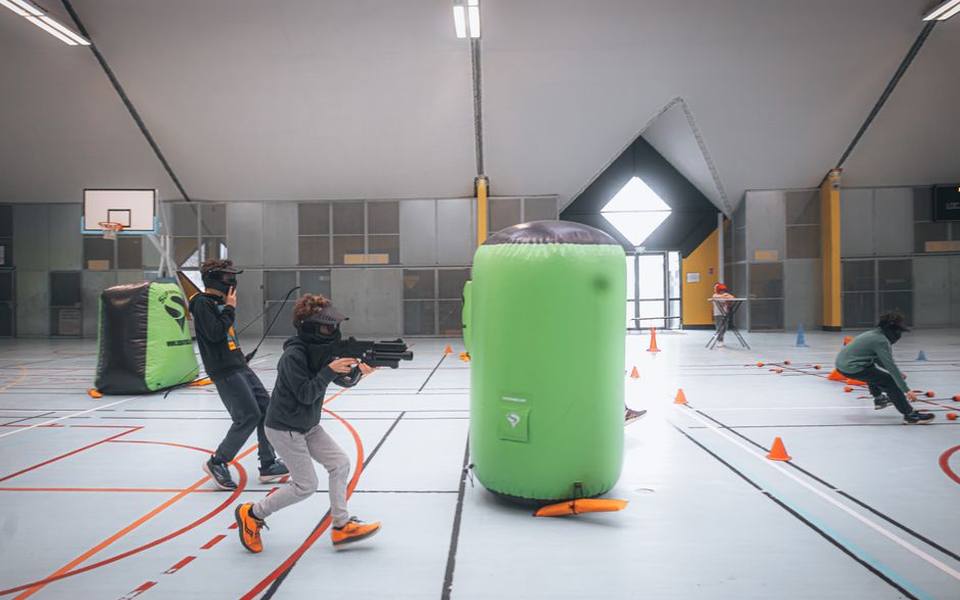
Stepping into a dedicated indoor paint balling arena immerses players in an intense, rapid-fire environment where sightlines are short and reaction times must be sharp. Most modern urban arenas, similar to multi-level metropolitan warehouse layouts, build their layouts using modular inflatable bunkers, wooden tactical partitions, or recreated urban corridors. Sound bounces sharply off metal beams and high ceilings, making team communication much louder and more frantic than it would be across an open meadow.
A defining operational detail of indoor venues is the choice of projectile. Many facilities require low-residue or specialized indoor paintballs designed to break cleanly and wash off indoor sports turf without leaving lingering oil stains. Other urban spaces utilize reball—reusable foam or synthetic rubber balls that fire from standard markers without paint fills. Reball eliminates shell mess, allows unlimited shooting drills, and keeps clothing clean, though the physical impact feels slightly firmer than a brittle, liquid-filled shell that breaks upon contact.
Bunker maintenance and playing surfaces receive heavy attention indoors. Padded turf fields require players to wear clean athletic footwear rather than metal or hard plastic outdoor cleats, which can slice the turf backing. Because indoor spaces have restricted air exchange compared to open fields, reputable venues run heavy commercial ventilation systems to keep air circulating, vent marker propellant exhausts, and prevent the staging lobby from becoming uncomfortably humid between game rotations.
Outdoor Complexes: Woodsball, Speedball, and Tactical Villages
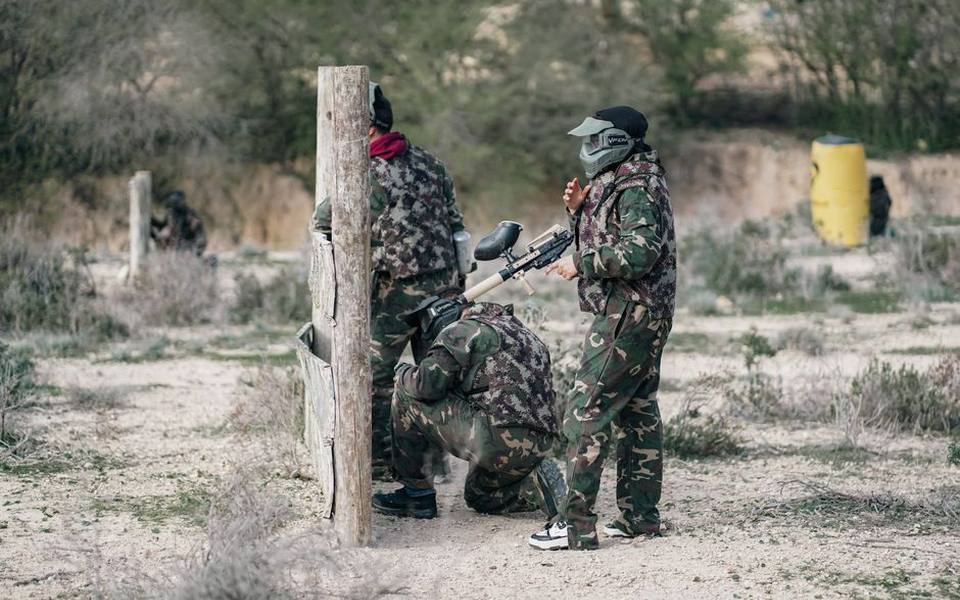
Giant outdoor paintball parks take advantage of natural topography to build distinct playing environments across single properties. A standard facility might feature four to twelve distinct zones, ranging from a hyper-competitive airball diamond on trimmed grass to sprawling woodland ravines with dense timber and creek beds. Playing in the woods demands patience, field awareness, and tactical communication, as fallen trees, foliage, and natural ridges provide organic camouflage against incoming fire.
Beyond raw wilderness, many legendary outdoor centers build elaborate themed fields often referred to as tactical villages, trench complexes, or fort assaults. These areas feature two-story wooden towers, barricaded plywood shanties, sandbag bunkers, and salvaged vehicles that simulate urban operations or defensive sieges. Established midwestern parks like those found among Illinois paintball facilities pioneered this scenario approach, drawing hundreds of players to all-day matches centered around defending reinforced bases.
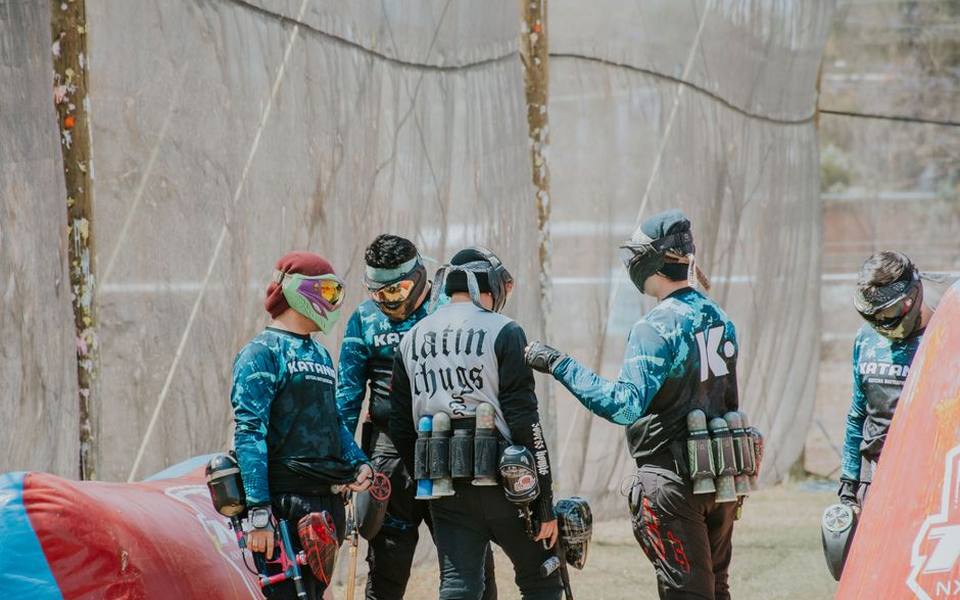
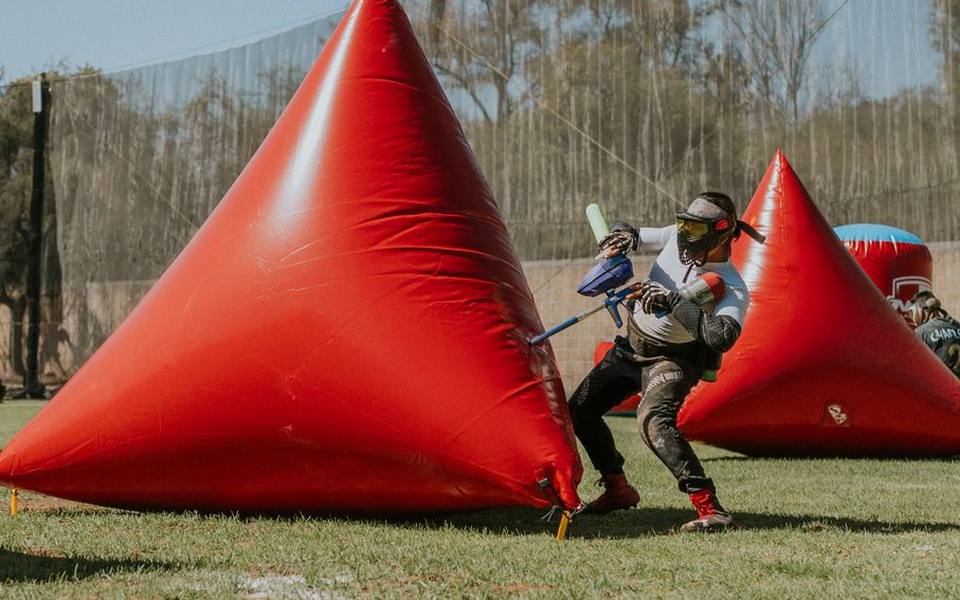
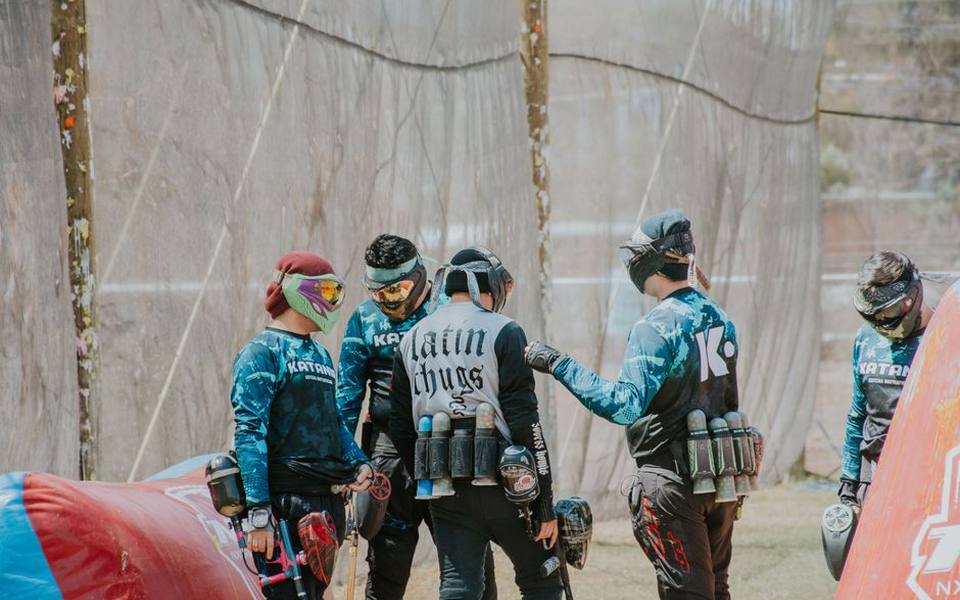
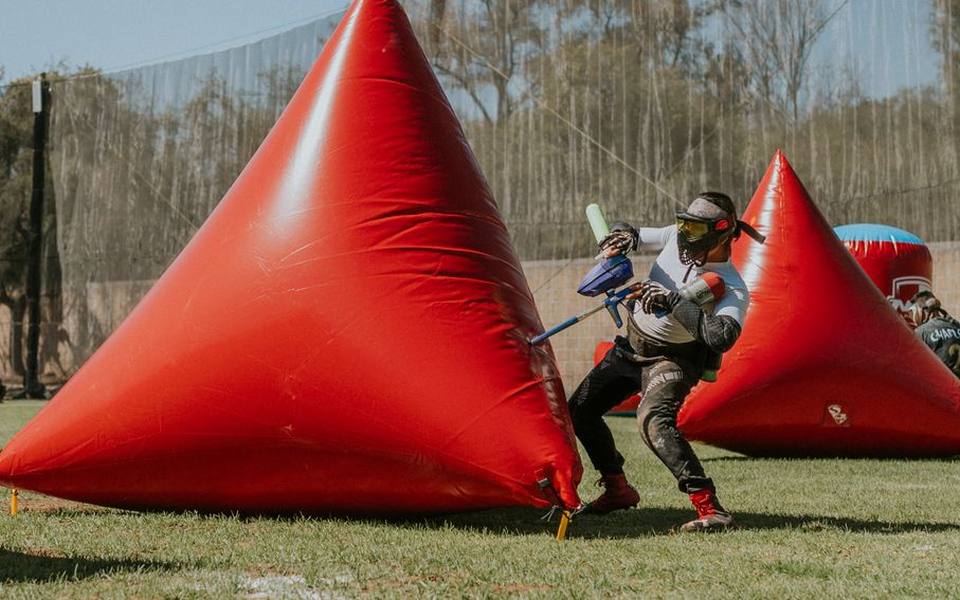
Outdoor grounds also support tournament-grade speedball fields enclosed by safety netting. These regulation layouts use symmetrical inflatable air bunkers arranged according to seasonal tournament rules, ensuring neither side enjoys a geographical advantage. The fast-paced format emphasizes lane control, bunker-to-bunker bumping, and high paint consumption, attracting tournament squads practicing team drills alongside recreational walk-on players cycling through general open-play rotations.
Regional Differences: Playing From the Desert to the Gulf Coast
Geography dramatically shapes how paintball fields operate across different regions of the country. In the arid desert climate around Las Vegas, outdoor venues often schedule open play around early morning hours or invest in heavy-duty floodlights for nighttime operations to avoid lethal midday heat. Playing over hard desert sand and caliche rock also demands sturdier knee pads and heavy footwear compared to diving onto soft coastal grass or pine needles.
Down across the southern flatlands, including the sprawling network of paintball fields in Texas, facilities regularly contend with extreme humidity, sudden subtropical squalls, and dense brush. Outdoor complexes outside major hubs like Houston frequently construct large covered staging pavilions equipped with industrial misting fans and shaded staging bays to keep guests safe between matches. High humidity also affects paintballs directly, causing gelatin shells to absorb ambient moisture, swell slightly in marker barrels, and bounce off targets rather than breaking cleanly.
Meanwhile, northern and mid-Atlantic operations adapt to sharp seasonal swings, shifting from lush summer outdoor play to insulated indoor play once frost sets in. For players searching for facilities locally—often typed as paintball cerca de mi on mobile devices—it pays to check whether a venue offers year-round outdoor acreage, operates an indoor field during winter, or runs hybrid setups that shift schedules based on local weather.
Standard .68 Caliber Versus Low-Impact .50 Caliber Formats
One of the most important decisions when booking a session is selecting the caliber format. Traditional paintball relies on standard .68 caliber markers firing liquid-filled gelatin spheres weighing roughly three grams at speeds near 280 feet per second. This traditional format delivers the familiar sting and distinct crack upon impact that experienced hobbyists expect, making it the universal standard for tournament speedball, woodsball scenarios, and general adult open-play sessions.
Over the past decade, low-impact .50 caliber paintball has become the dominant choice for birthday parties, family outings, and corporate retreats. A .50 caliber ball is substantially smaller and lighter than a standard round, carrying roughly one-third of the kinetic energy upon impact. When fired at calibrated lower velocities, low-impact hits produce a light snap rather than a deep pinch or bruise, significantly lowering the intimidation factor for younger children and hesitant newcomers.
Equipment for low-impact play is also engineered for smaller frames. The markers are noticeably lighter, air tanks are compact, and hoppers hold fewer rounds, making it easier for younger participants to aim and maneuver without arm fatigue. Many commercial venues maintain separate marker fleets for both calibers, scheduling dedicated low-impact time slots so beginners are never mixed into open games against players carrying higher-velocity standard equipment.
Core Game Formats and Capture the Flag Rules
While recreational referees run a wide variety of match formats, traditional elimination remains the simplest: two teams start at opposing stations, and a single broken paintball mark eliminates a player until one side remains standing. However, objective-based matches create more dynamic tactical play by forcing players to move out from behind defensive bunkers rather than trading shots from distant base walls across an entire match duration.
Capture the flag rules generally follow one of two classic variations: two-flag base defense or center-flag push. In a two-flag match, each team protects a colored banner hanging at their home base while attempting to infiltrate the enemy bunker, grab the opposing flag, and carry it back to their own base without being marked. If the flag carrier gets hit along the way, they must drop the flag immediately on the ground where marked; the defending team can return it, or an surviving teammate can scoop it up to continue the run.
In center-flag formats, a single neutral banner hangs directly in the middle of the field equidistant from both starting gates. Teams rush forward at the horn to secure possession of the flag and advance it into the opposing team's home base to score. This setup concentrates firefights along the central spine of the arena, discouraging passive camping and forcing squads to coordinate bounding fire to escort their runner across the final scoring line.
Essential Field Safety Rules and Marshaling
Field safety protocols are strictly enforced across every commercial venue, and violations carry immediate ejections without refunds. The most critical rule across any facility is keeping approved full-seal eye and face protection on at all times inside the netting. Modern paintball masks feature ASTM-certified polycarbonate thermal lenses designed to withstand repeated direct impacts; lifting a mask even an inch to wipe fog or scratch an itch is the primary cause of severe ocular injuries.
Outside the playing netting, marker safety rules take over instantly. Players must install an approved barrel blocking device—typically an elasticized fabric barrel sock—over the muzzle before exiting through the net. Safety catches must be engaged, fingers kept off triggers, and squeegeeing or cleaning done only with barrel sleeves secured. Referees enforce chronograph testing before games, verifying that every marker fires below the facility's speed threshold, which typically sits between 260 and 280 feet per second.
During live play, referees enforce boundary markers and sportsmanship rules. Most venues observe a surrender or mercy recommendation when a player sneaks up within ten or fifteen feet of an unaware opponent, giving them the option to yield rather than taking a point-blank hit. Physical contact, marker checking, and continuing to fire on an eliminated player who has raised their hand or barrel in the air are grounds for an immediate benching by field marshals.
Organizing Group Bookings and Private Parties
Booking a private paintball event requires balancing attendance counts, paint allocations, and scheduling windows. Most facilities offer dedicated party packages that bundle field entry, rental markers, safety masks, unlimited compressed air refills, and an initial allotment of paintballs per player. Private bookings usually guarantee a dedicated field referee who stays with your party, rotating your group through different themed fields without mingling with aggressive walk-on regulars.
Estimating paint consumption accurately prevents unexpected mid-session budget surprises. For a standard two-hour gathering, casual participants typically shoot between 250 and 500 rounds each, depending on trigger discipline and game frequency. Venues strictly enforce field paint only policies, meaning you cannot bring paintballs purchased from third-party retailers or big-box stores; field paint ensures gelatin shells are fresh, non-staining, and brittle enough to break safely at standard velocities.
Organizers should distribute electronic waivers well ahead of the event date. In most states, any participant under eighteen requires an electronic waiver signed by a parent or legal guardian before stepping foot past the registration counter. Having waivers completed online beforehand drastically reduces waiting times at check-in, ensuring your party gets through the mandatory safety briefing quickly and maximizes time on the turf or dirt.
Evaluating Facility Amenities and Support Services
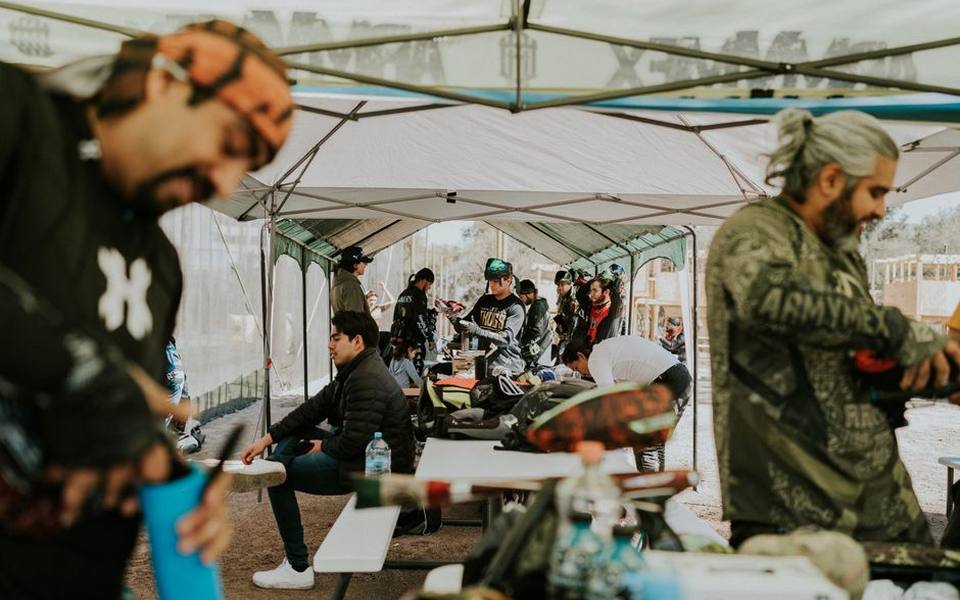
Not all paintball facilities offer the same standard of baseline comfort, so evaluating amenities before traveling saves substantial headaches. High-quality outdoor parks provide spacious staging areas featuring covered picnic tables, electrical outlets for battery charging, clean restroom trailers instead of portables, and paved equipment inspection zones. If your group includes players interested in multiple shooting sports, certain venues also host airsoft games on-site, rotating playing groups across shared scenario layouts throughout the weekend.
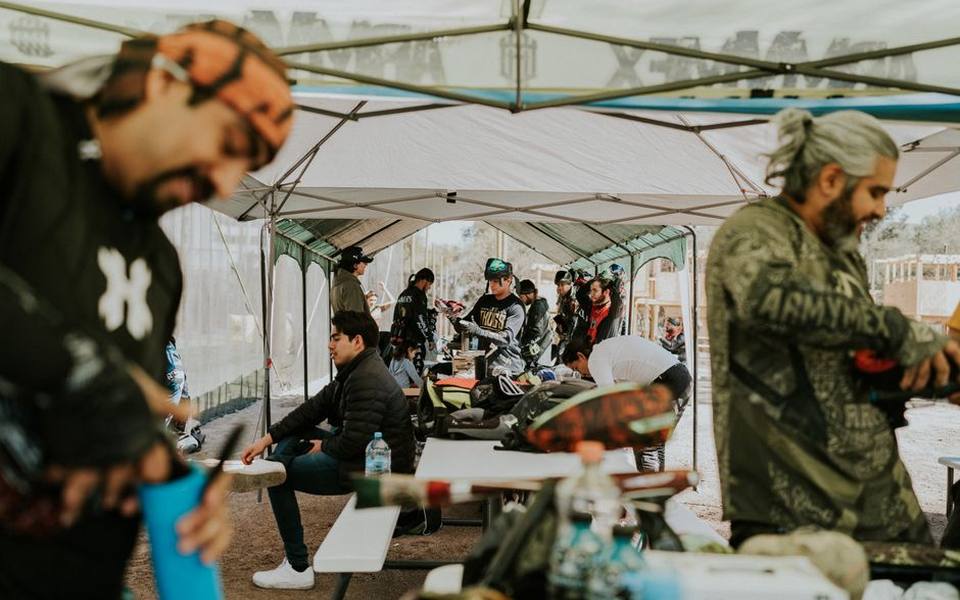
Equipment maintenance reflects a facility's overall professionalism. When checking out rental gear, look at the condition of the rental masks and markers. Quality operations provide thermal double-pane lenses that resist fogging, wash rental masks thoroughly with sanitizing spray after every use, and replace frayed headbands or cracked hoppers promptly. If a rental marker feels loose, leaks compressed air around the tank adapter, or chops paint in the breech, reputable staff will swap it out immediately.
Retail pro shops on property add significant convenience for both beginners and gear owners. On-site shops stock essential consumables like spare barrel socks, anti-fog lens sprays, replacement batteries, neck protectors, and hydration drinks. For players looking to invest in personal gear, talking to field technicians in the shop provides unbiased advice on reliable mechanical markers, electronic loaders, and durable protective apparel suited specifically to local terrain.
Preparing for Your First Day: Clothing, Layers, and Etiquette
Dressing appropriately makes a dramatic difference in how much you enjoy your time on the field. Wear loose, breathable layers rather than heavy winter parkas; heavy clothes restrict mobility and cause excessive sweating, which fogs your mask lens within minutes. A long-sleeve cotton shirt or lightweight hooded sweatshirt paired with durable cargo pants or denim provides adequate protection against the sting of a breaking paintball without causing heat exhaustion.
Footwear choice depends entirely on your playing surface. For outdoor fields featuring damp grass, loose dirt, or woodland mulch, sturdy hiking boots with ankle support or trail running shoes work best. For indoor turf, flexible athletic sneakers or flat-soled turf shoes provide the necessary traction for rapid starts and stops. Bring a thin beanie or baseball cap worn backward to cover exposed forehead skin, along with lightweight mechanic-style gloves to protect your knuckles from stray bunker hits.
Finally, good field etiquette keeps the game fun and competitive for everyone. Paintball is fundamentally built on an honor system: when a ball breaks on your body, clothing, or marker and leaves a mark the size of a quarter, raise your marker high, call out your hit clearly, and walk off the field toward the dead box. Acknowledging hits promptly, respecting referee calls, and keeping conversations friendly in the staging area ensures a welcoming environment for every newcomer.
Published 2026-09-21 · reviewed with each rebuild, last October 2026.
Find paintball fields & fun centers near you
The directory lists 36,923 paintball fields & fun centers by state and city — pick your state or use the “Near me” button in the header.
More guides
-
 Service
Where and How to Refill Paintball CO2 and HPA Tanks
-
 Buying
A Guide to Purchasing Your Own Paintball Equipment
-
 Safety
Paintball vs Airsoft: Evaluating Impact, Costs, and Removing Stubborn Stains
-
 Money
MoneyHow Much Does Paintball Cost? Field Fees, Rental Packages, and Ammo Math
-
 Safety
Does Paintball Hurt? Safety, Bruises, Clothing, and Stains
-
 Buying
Where to Sell Used Paintball Guns Safely and Clean Up Gear
-
 Safety
Beginner's Guide to Paintball: Understanding Game Formats and Rules
-
 Money
MoneyPaintball Cost Guide: Equipment, Field Fees, and Play Prices
-
 Owning
How to Remove Paint and Acrylic Stains from Clothing and Fabrics
-
 Buying
Tactical and Military Boots: Brands, Comfort, and Field Selection
-
 Service
Corporate Team Building and Outdoor Adventure Events: The Complete Organizer's Guide
-
 Buying
Laser Tag Arenas, Equipment, and Home Party Rentals Guide
-
 Safety
LiPo Battery Maintenance, Safe Charging, and Balance Chargers for Gear
-
 Buying
Complete Paintball Equipment Guide: Markers, Air Tanks, Jerseys, and Field Attire
-
 Safety
Whitewater Rafting and River Adventure Parks: Destinations, Trips, and Safety Guide
-
 Safety
Airsoft Fields and Arenas Guide: Indoor vs Outdoor Venues, Rules, and Rentals
-
 Buying
Laser Tag Centers, Home Equipment, and Event Planning Complete Guide
-
 Service
Paintball Fields, Scenario Games, Night Ops, and Arena Booking Guide
-
 Safety
Ziplining and Aerial Trekking Parks: Top Courses, Safety Standards, and Booking
-
 Buying
Tactical Combat Boots Buying Guide: Military Specs, Fit, and Durability
-
 Owning
Paintball Marker Maintenance, Air Systems, and Tank Safety Guide
-
 Safety
What to Wear for Paintball: Clothing, Protective Gear, and Cleaning Paint Stains
-
 Owning
Airsoft Gear and Milsim Accessories: Speedloaders, Tracers, and Camouflage
-
 Safety
Paintball Age Limits, Tactics, and Corporate Event Planning
-
 Safety
Complete Guide to LiPo and RC Battery Chargers: Safety, Storage, and Voltage Care
-
 Owning
Paintball Video Games, Consoles, and Digital Arenas: An Off-Field Player Guide
-
 Service
CO2 Tank Refills and Compressed Air Systems: Options, Locations, and Safety Rules
-
 Owning
Archery Games Guide: Online Simulators to Adult Field Events
-
 Buying
Complete Airsoft Guns and Equipment Guide: Reviews, Rentals, and Legal Safety
-
 Owning
Paintball Gear & Maintenance Guide: Custom Apparel, Tank Fills, and Stain Removal
-
 Service
Ultimate Guide to Indoor Soccer Zones: Leagues, Facilities, and Play Options