Choosing and Maintaining a Reliable Starter Marker
Finding the best starter paintball marker comes down to mechanical simplicity, air efficiency, and how easily you can tear the bolt down at a staging table. Most beginners do best with blowback mechanical markers or simple inline poppet designs because they tolerate dirt, fluctuating air pressures, and inconsistent cleaning schedules far better than delicate tournament platforms. A dependable entry-level setup lets you focus on learning field movement and shot pacing rather than diagnosing complex solenoid dwell issues.
Mechanical markers rely on stout spring tensions and urethane o-rings to cycle each shot, which means you generally only need a few drops of synthetic oil through the ASA connection before airing up. If you pick up an entry package through an independent paintball store inc or online gear distributor, check that the marker includes basic allen keys and replacement breach seals. Routine field care rarely takes more than five minutes once you understand how the hammer and bolt link together.
While mechanical systems dominate rental fleets, some newcomers prefer entry-level electronic platforms with programmable firing modes. These hybrid electronic markers offer lighter trigger pulls and higher rates of fire, but they introduce electronic solenoids and eye wires that demand careful cleaning. Regardless of which action style you select, matching your marker to local field rules is essential, especially if you plan on visiting an indoor field where semi-automatic limits and strict velocity ceilings apply.
Servicing Electronic Spool Valve Platforms
Stepping up to tournament-grade equipment brings you into contact with advanced spool valve engines, such as classic smart parts shocker platforms or compact options like the g5 dangerous power. Unlike mechanical blowbacks that cycle via a heavy rear hammer hitting an open valve, spool markers use balanced air chambers and sliding internal sleeves. This architecture yields an exceptionally smooth, flat shot with minimal muzzle rise, making it easier to hold your sight line across a bunker edge.
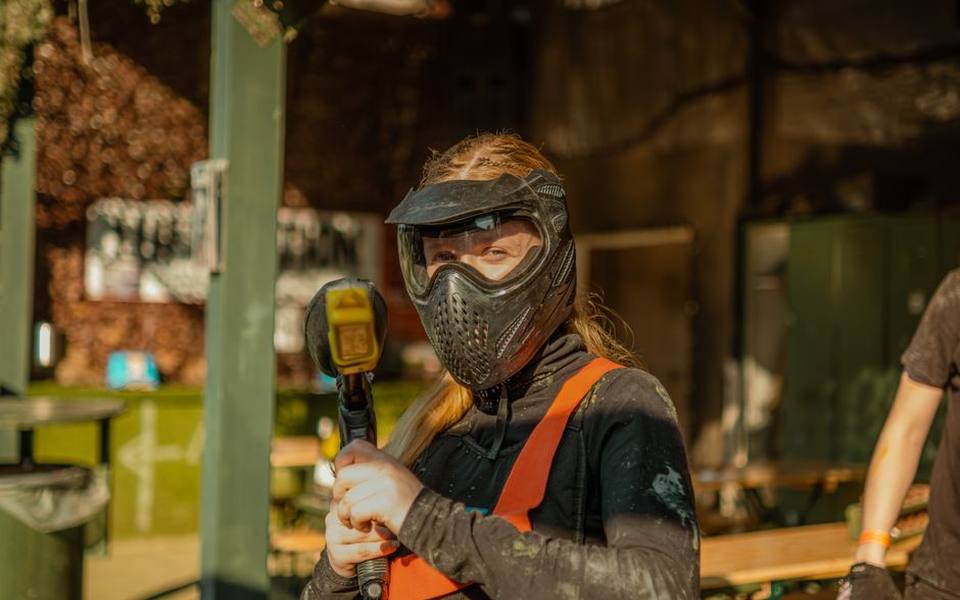
Maintaining a spool valve marker requires an entirely different mindset than oiling a rental gun. Heavy oil can enter the sensitive solenoid manifold and cause sluggish cycling or complete board lockups. Instead, technicians rely on specialized Dow 33-based grease, applying a sheer, translucent coating to each dynamic o-ring on the bolt assembly. Too much grease creates bolt stick on cold mornings, while too little friction relief leads to premature seal wear and erratic muzzle velocity.
Tuning these markers also involves balancing dwell settings, which dictate the precise millisecond duration the solenoid stays open to dump air into the firing chamber. If you notice first-shot drop-off or inconsistent chronograph readings, inspect the internal bolt seals before touching electronic board parameters. Taking the time to wipe down breach eyes and re-grease the drivetrain after every weekend of play ensures these high-performance markers fire cleanly round after round.
Barrel Blocking Devices and Staging Area Safety
Paintball barrel covers, often colloquially called barrel condoms paintball players carry in their gear bags, represent the single most important safety barrier outside the netting. A mechanical safety switch on a marker frame can fail, be bumped off, or slip under vibration, but a heavy-duty fabric cover physically catches an accidentally discharged projectile within inches of the crown. Every legitimate field strictly enforces barrel blocker usage the moment players leave the active netting.
A proper paintball barrel cover is constructed from reinforced cordura nylon or durable molded rubber, held firmly in place by an adjustable heavy elastomeric cord. This cord loops securely over the back of the marker frame or feedneck, holding adequate tension so a point-blank ball strike cannot pop the device off the muzzle. If the elastic cord loses its stretch or begins to fray near the stitching, replace the device immediately rather than risking an accidental discharge in the staging area.
Before stepping into common staging spaces or parking areas, always seat your blocker completely over the muzzle and cinch down the tension toggle. Never substitute loose socks, squeegees, or plastic plugs for a purpose-built blocker, as older barrel plugs can easily launch outward like dangerous projectiles under full tank pressure. Maintaining strict barrel discipline protects everyone around you and remains mandatory whether you play at dedicated facilities or mixed venues like airsoft games on-site where eye protection protocols overlap.
Handling Shaped Projectiles and Magazine Fed Systems
While standard round paintballs have dominated the sport for decades, shaped ammunition like first strike rounds has revolutionized woodsball and tactical scenario formats. These specialized projectiles feature a solid polystyrene finned skirt bonded to a brittle hemispherical front shell, allowing them to spin stabilize in flight much like a traditional rifle bullet. The aerodynamic stability significantly extends effective shooting ranges, giving disciplined marksmen a noticeable edge across open terrain.
Operating with shaped rounds requires compatible markers equipped with magazine feeding channels or modified breech blocks. Traditional gravity-fed and motorized hoppers cannot feed these directional projectiles without jamming, as the finned skirts must face rearward inside the breach. Players investing in magazine-fed setups must also pay close attention to barrel selection, as rifled barrel sleeves specifically tuned for finned skirts offer vastly superior accuracy compared to standard smoothbore paintball barrels.
Velocity control becomes doubly critical when shooting shaped ammunition at commercial facilities. Because these rounds retain their kinetic energy far downrange due to low aerodynamic drag, chronograph testing must be conducted with precision. Field marshals across facilities, including busy Paintball Fields in Texas, routinely check magazine-fed setups to confirm they stay well within strict velocity boundaries, ensuring safety across both close-quarters brush and open fields.
Managing Bulk CO2 Supplies and Siphon Tubes
Understanding how carbon dioxide behaves inside a cylinder is fundamental for anyone operating marker air systems. Liquid CO2 rests at the bottom of a bulk supply cylinder, while high-pressure vapor occupies the head space above it. When you purchase or rent a bulk supply for refilling small player bottles, you must specify whether you need a co2 tank with siphon tube installed internally, because the fill process requires drawing pure liquid rather than expanding vapor.
A siphon tube, or dip tube, runs straight from the brass valve down to the very base of the cylinder. When the valve opens on a siphon-equipped cylinder upright on the floor, the internal pressure pushes liquid carbon dioxide up through the tube directly into your transfer line. If you attempt to refill small marker bottles using an industrial gas cylinder without a siphon tube, you will only transfer gaseous vapor, resulting in hollow, underweight fills that empty after a couple dozen shots.
Standard player tanks attached directly to markers operate on the exact reverse principle: they must draw dry vapor into the marker engine to avoid freezing delicate internal o-rings. When liquid carbon dioxide enters an electronic marker bolt, it rapidly expands, dropping temperatures below freezing and turning dynamic seals brittle. Knowing the exact purpose of your tank hardware prevents catastrophic seal failures and keeps your filling processes running safely.
Operating Fill Stations and Regulating Pressures
A commercial paintball filling station serves as the central bridge between bulk air banks and portable player cylinders, whether managing 3000 to 4500 PSI compressed air (HPA) or bulk liquid CO2. Modern compressed air fill stations feature balanced throttle levers, secondary relief vents, and heavy-duty bleed screws designed to release trapped pressure between the station chuck and the tank nipple before disconnecting. Rushing this bleed process can easily blast the tiny polyurethane o-ring out of the fill check valve.
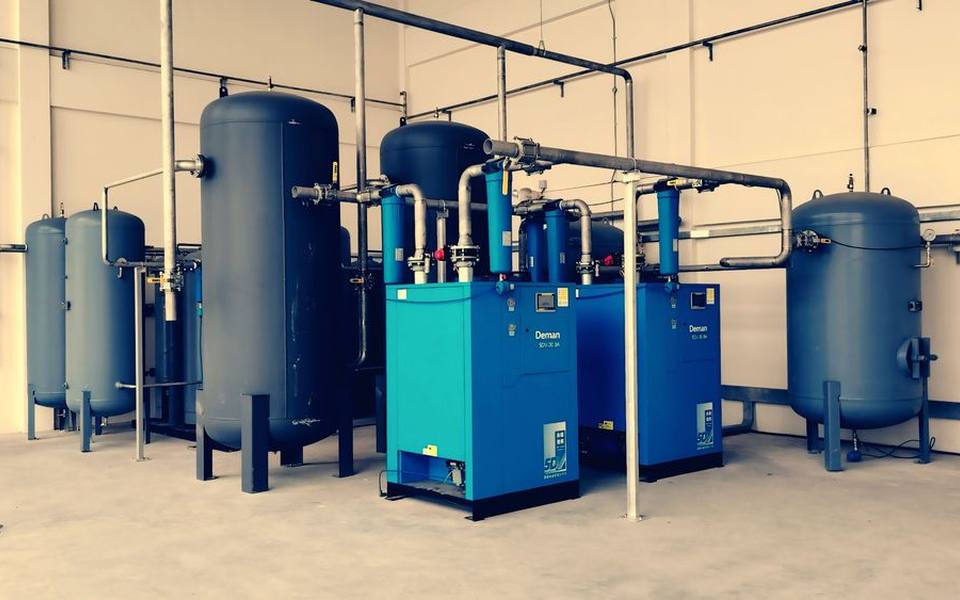
When filling high-pressure air tanks, slow and steady flow control is essential to limit thermal expansion. As compressed air surges into a player bottle, compression generates heat, causing the pressure gauge to read artificially high. If a tank is filled too rapidly, the internal air pressure typically drops several hundred PSI once the bottle cools down to ambient temperature. Gradual filling prevents this thermal falloff and reduces cyclic stress on the carbon fiber wrap.
For teams and operators setting up remote field stations, mounting the fill panel securely to a stable bench or wall frame is a basic safety requirement. High-pressure hoses must be inspected weekly for outer jacket cracking, kink points, and internal braid fatigue. Routine maintenance across commercial facilities, including popular regional destinations like Paintball Fields in California, hinges on keeping fill whips tethered with safety cables to prevent whipping in the event of an unexpected line failure.
Remote Air Lines and Quick Disconnect Couplers
Carrying a heavy air cylinder on the back of a tactical harness rather than directly mounted to the marker grip frame offers dramatic improvements in balance and handling. This setup relies on a flexible remote coil line connected via a standardized quick disconnect fitting. The male nipple remains threaded into your marker ASA adapter, while the female slide-collar coupler anchors the end of the high-pressure hose, allowing rapid one-handed separation whenever you need to unhook your marker.
Operating these fittings requires familiarity with slide-check valves and internal shutoff pins. Standard quick-disconnect couplers incorporate internal locking ball bearings that seat around the groove of the male nipple under pressure. If dirt, sand, or debris enters the collar sleeve, the ball bearings may fail to seat completely, creating a sudden disconnect that can whip violently under line pressures exceeding 800 PSI. Keeping these metal surfaces clean and lightly wiped with silicone cloth prevents grit accumulation.
When diagnosing line leaks around a remote setup, the problem usually originates at the tiny internal o-ring nested inside the female coupler or along the threading of the macroline elbow. If you notice a steady hiss as soon as the tank on/off knob is turned, vent the line entirely before attempting to tighten any threaded connection. Applying fresh thread sealant or replacing flat-faced buna seals will restore airtight performance without overtightening delicate aluminum threads.
Hydrostatic Testing Cycles and Tank Lifespans
Every compressed air cylinder used in paintball is subject to strict testing regulations mandated by the Department of Transportation (DOT) or equivalent international safety bodies. Standard aluminum tanks and advanced carbon-fiber wrapped bottles must undergo periodic hydrostatic testing, which typically occurs every three to five years depending on the cylinder classification and manufacturing standard. This testing process measures elastic expansion by filling the stripped cylinder with water under pressures well above standard working limits.
Carbon fiber cylinders offer exceptional weight savings and hold pressures up to 4500 PSI, but they carry a hard lifespan limit, which is typically fifteen years from their original manufacturing date. Once a composite tank reaches its terminal lifespan, it must be permanently decommissioned and retired, regardless of how pristine its exterior lacquer appears. Aluminum tanks, while heavier and limited to lower pressures around 3000 PSI, often carry indefinite lifespans as long as they continue passing recurring hydrostatic inspections.
Before taking your gear to any field, examine the printed or stamped hydro date located on the cylinder label. Professional fill station operators will inspect these dates before attaching fill whips, and they are legally required to refuse tanks with expired hydro stamps. Keeping track of your bottle certification timeline ensures you avoid unexpected downtime when arriving for private games or large weekend gatherings organized at venues offering party packages.
Sourcing Marker Hardware Online and at Local Shops
Finding reliable replacement parts, rebuild kits, and brand-new marker packages involves navigating both the convenience of a modern paintball online store and the technical expertise of a brick-and-mortar pro shop. Online catalogs provide unparalleled visibility into vast inventories, making it simple to track down obscure solenoid screws, colored macroline fittings, or specialized bolt springs that general sports retailers rarely carry in inventory.
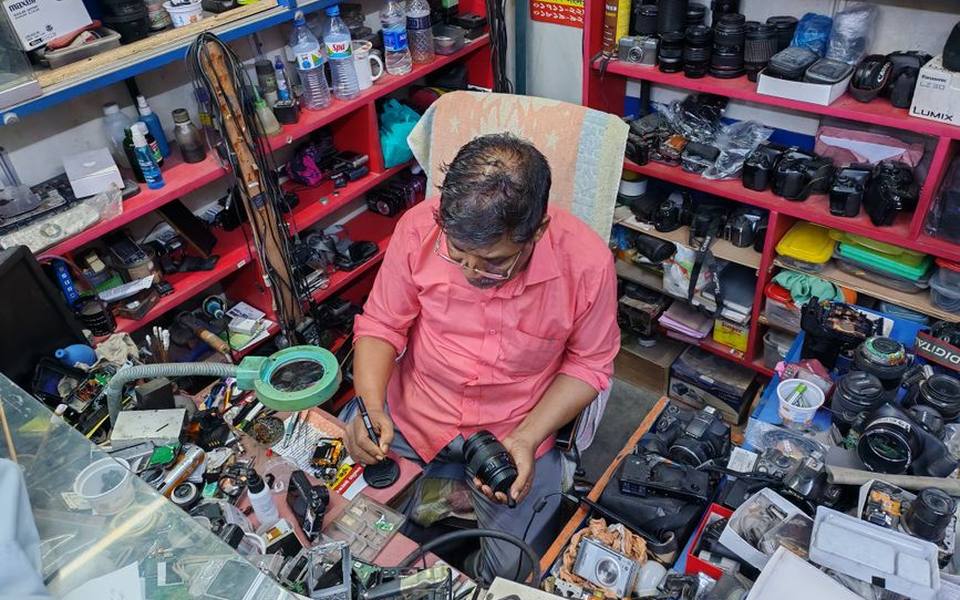
However, purchasing through a local pro shop or an established regional operation like a dedicated paintball store inc brings benefits that mail-order warehouses cannot match. A local technician can bench-test a marker on the spot, diagnose subtle regulator creep with calibrated gauges, and verify that tank regulator output pressures match your marker engine specifications. Furthermore, shopping locally allows you to hold different marker grip frames to see how trigger ergonomics suit your personal hand size.
When purchasing cylinders online, always verify the production hydro stamp date before accepting delivery, as some discount warehouses sell new old stock that has sat on storage shelves for over a year. A fresh bottle should arrive with nearly the full five-year testing window intact. Balancing online convenience for bulk soft goods with local technical support for high-pressure hardware remains the most cost-effective and dependable approach for serious players.
Preventative Field Care and Dynamic Seal Troubleshooting
A rigorous preventative maintenance schedule keeps markers shooting consistently through dirt, heavy rain, and marathon scenarios. The heart of this care routine is managing dynamic o-rings, which are the seals that slide across internal metal bores during marker cycling. Standard buna-nitrile o-rings provide excellent friction properties for mechanical markers, while urethane seals offer long-lasting abrasion resistance for high-pressure regulator pistons and bolt faces.
Developing an ear for marker leaks helps you isolate failures within seconds. A hissing sound originating down the barrel almost always points to a compromised front bolt sail o-ring or an unseated poppet cup seal. A leak venting through the grip frame generally indicates an over-pressurized regulator dumping air through the safety relief vent, or a compromised microline connection leading to the solenoid manifold. Isolating the acoustic source saves hours of blind parts replacement.
At the end of every day of play, degas the marker completely, pull the bolt engine, and swab the inside of the breach with a soft microfiber squeegee. Remove any trace of broken paint or shell fragments, as dry gelatin attracts moisture and promotes surface oxidation on aluminum breach walls. Storing your marker clean, dry, and with uncompressed regulator springs ensures that it fires smoothly the next time you step onto the field.
Published 2026-09-21 · reviewed with each rebuild, last October 2026.
Find paintball fields & fun centers near you
The directory lists 36,923 paintball fields & fun centers by state and city — pick your state or use the “Near me” button in the header.
More guides
-
 Service
Where and How to Refill Paintball CO2 and HPA Tanks
-
 Buying
A Guide to Purchasing Your Own Paintball Equipment
-
 Safety
Paintball vs Airsoft: Evaluating Impact, Costs, and Removing Stubborn Stains
-
 Money
MoneyHow Much Does Paintball Cost? Field Fees, Rental Packages, and Ammo Math
-
 Safety
Does Paintball Hurt? Safety, Bruises, Clothing, and Stains
-
 Buying
Where to Sell Used Paintball Guns Safely and Clean Up Gear
-
 Safety
Beginner's Guide to Paintball: Understanding Game Formats and Rules
-
 Money
MoneyPaintball Cost Guide: Equipment, Field Fees, and Play Prices
-
 Owning
How to Remove Paint and Acrylic Stains from Clothing and Fabrics
-
 Buying
Tactical and Military Boots: Brands, Comfort, and Field Selection
-
 Service
Corporate Team Building and Outdoor Adventure Events: The Complete Organizer's Guide
-
 Buying
Laser Tag Arenas, Equipment, and Home Party Rentals Guide
-
 Safety
LiPo Battery Maintenance, Safe Charging, and Balance Chargers for Gear
-
 Service
Indoor and Outdoor Paintball Fields: Venue Selection, Booking, and Rules
-
 Buying
Complete Paintball Equipment Guide: Markers, Air Tanks, Jerseys, and Field Attire
-
 Safety
Whitewater Rafting and River Adventure Parks: Destinations, Trips, and Safety Guide
-
 Safety
Airsoft Fields and Arenas Guide: Indoor vs Outdoor Venues, Rules, and Rentals
-
 Buying
Laser Tag Centers, Home Equipment, and Event Planning Complete Guide
-
 Service
Paintball Fields, Scenario Games, Night Ops, and Arena Booking Guide
-
 Safety
Ziplining and Aerial Trekking Parks: Top Courses, Safety Standards, and Booking
-
 Buying
Tactical Combat Boots Buying Guide: Military Specs, Fit, and Durability
-
 Safety
What to Wear for Paintball: Clothing, Protective Gear, and Cleaning Paint Stains
-
 Owning
Airsoft Gear and Milsim Accessories: Speedloaders, Tracers, and Camouflage
-
 Safety
Paintball Age Limits, Tactics, and Corporate Event Planning
-
 Safety
Complete Guide to LiPo and RC Battery Chargers: Safety, Storage, and Voltage Care
-
 Owning
Paintball Video Games, Consoles, and Digital Arenas: An Off-Field Player Guide
-
 Service
CO2 Tank Refills and Compressed Air Systems: Options, Locations, and Safety Rules
-
 Owning
Archery Games Guide: Online Simulators to Adult Field Events
-
 Buying
Complete Airsoft Guns and Equipment Guide: Reviews, Rentals, and Legal Safety
-
 Owning
Paintball Gear & Maintenance Guide: Custom Apparel, Tank Fills, and Stain Removal
-
 Service
Ultimate Guide to Indoor Soccer Zones: Leagues, Facilities, and Play Options