How Digital Arenas Keep Paintballers Sharp in the Off-Season
Digital adaptations of paintball have provided competitive shooters and weekend woodsballers with a way to stay connected to the sport when the weather turns poor or local fields close for winter. Unlike conventional tactical military shooters that emphasize lethal precision and cover-based stealth, virtual paintball games focus heavily on breakout lanes, suppression cadence, and snap shooting. Playing digital formats allows markers, bunker layouts, and field geometry to stay fresh in your mind between real-life weekends on the turf.
Over the past few decades, game developers have approached the sport from several distinct angles, ranging from high-stakes tournament simulators to accessible casual shooters. Early titles paved the way by introducing realistic ball trajectory, where paintballs drop over distance and require deliberate elevation adjustments rather than instantaneous hitscan ballistics. Understanding this arc digitally helps newer players grasp how real paint travels when they finally step through a safety netting entrance at their home park.
Beyond technical mechanics, virtual arenas serve as a tactical whiteboard for tournament teams. Squads frequently load up custom digital layouts to visualize crossing angles, blind spots behind inflatable doritos, and the most dangerous lane hazards right off the breakout buzzer. While holding an electronic controller cannot replicate the physical exhaustion of diving into snake one, the mental processing of peripheral threats translates surprisingly well to real competitive play.
The Legacy of Console Tournament Paintball on Xbox
For millions of console gamers during the mid-2000s, competitive woodsball and speedball arrived through dedicated Xbox releases that treated tournament paintball as a legitimate extreme sport. These console titles partnered with actual marker manufacturers, pro teams, and governing leagues to recreate authentic tournament atmospheres. Players had to manage marker bps caps, barrel cleanliness, and even switch hands while leaning out of cover, establishing an unprecedented benchmark for mechanical simulation on living room hardware.
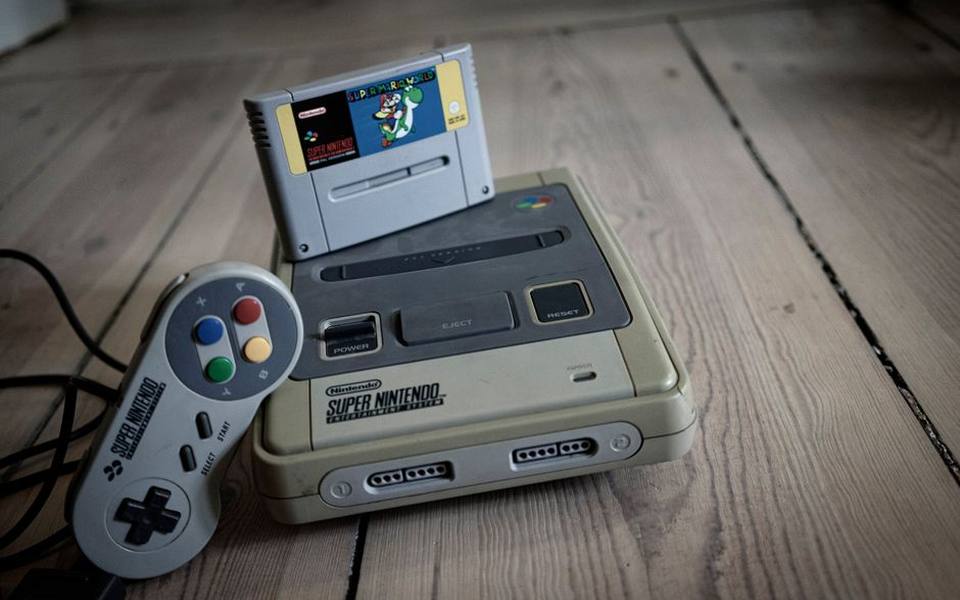
The original Xbox and subsequent Xbox 360 generations introduced career modes where players progressed from regional woodsball leagues up to national stadium championships under bright lights. Success meant managing gear budgets, choosing the right paint fill density, and upgrading hoppers to prevent ball chopping under rapid firing sequences. That level of detail created an obsessive cult following among console owners who spent their weekdays grinding virtual sponsor contracts before heading to local weekend open-play sessions.
Although major publishers have largely shifted focus away from niche sports titles, these classic console games remain revered across player forums and retro hardware lobbies. Many dedicated players still maintain backwards-compatible copies or legacy hardware specifically to revisit classic layout configurations. The era proved that tournament speedball possessed enough mechanical depth, pacing, and strategic complexity to hold its own alongside mainstream console athletic franchises.
Modern Digital Simulators and Independent PC Releases
As big-budget studio support waned, passionate independent developers stepped up to create modern PC-based paintball simulators tailored specifically for competitive speedball athletes. These indie releases prioritize hyper-accurate ball physics, programmable wind conditions, and authentic breakout timing over flashy visual effects. Players can input real-world field dimensions down to the inch, allowing competitive rosters to study national layout releases weeks before major national events occur.
Modern simulators also incorporate complex gun-handling mechanics that mimic real double-trigger walking cadences. By utilizing specialized mouse configurations or remapped controller paddles, players can practice the rhythmic cadence required to sustain a continuous rope of paint while peeking across an obstacle. While it will never completely replace live-fire drills on grass, it significantly shortens the reaction time required to identify an opposing player flaring a shoulder or exposing an elbow.
Community-created modifications within broader sandbox shooting engines have also flourished, providing tactical woodsball scenarios with large-scale combined-arms environments. In these community servers, players often find a bridge between realistic field scenarios and recreational crossover formats like airsoft games on-site, experimenting with varied team sizes, objective capture formats, and terrain constraints that mirror sprawling outdoor woodland properties.
Virtual Reality Arenas and the Physicality of Immersion
Virtual reality technology has transformed how players interact with digital markers by restoring physical movement to the experience. In a VR headset, you are no longer pressing an analog stick to crouch; you must physically drop your hips into the dirt, tuck your elbows against your ribs, and sight down the barrel using genuine spatial depth. This immersive medium has brought virtual paintball closer to the real thing than conventional monitors ever could achieve.
Several popular VR shooter platforms now feature community-built tournament arenas complete with inflatable bunkers, regulation flag stations, and authentic field footprints. Players find themselves sweating through ten-minute skirmishes because dodging a stream of virtual paint requires actual lunges, lateral rolls, and fast snap shots from awkward kneeling stances. It exercises the same stabilizer muscles and core balance that players rely on when working a tight corner during a real match.
VR also offers an accessible entry point for younger players or complete beginners who might feel intimidated by the sting of real paintballs. By spending a few hours inside a simulated speedball arena, newcomers learn field etiquette, the importance of calling out enemy movements, and how quickly an undefended flank can collapse. When they finally visit an actual arena, the transition feels far more intuitive and far less overwhelming.
The Pop Culture Impact of Famous Television Paintball Episodes
Outside the realm of video games, television has played a massive role in shaping how the broader public perceives the tactical thrill of the game. Perhaps no media moment resonated more deeply with mainstream audiences than the iconic collegiate paintball battles featured in popular television sitcoms, where mundane community college campuses were transformed into post-apocalyptic, high-stakes combat zones over an afternoon.
These cinematic episodes paid loving homage to classic action, western, and sci-fi cinema, elevating a campus-wide game of elimination into an epic tactical war. Viewers who had never stepped foot inside a commercial field watched characters build alliances, stage defensive bunker holdouts in library hallways, and orchestrate dual-wielding ambushes across manicured campus lawns. It struck a nerve because it captured the pure, chaotic adrenaline that every recreational player feels during a chaotic public walk-on game.
The massive audience response to these television storylines created a noticeable cultural ripple, inspiring countless college groups, office workers, and social clubs to organize their own live-action showdowns. Instead of seeing the sport as an aggressive paramilitary exercise, casual viewers recognized it as the ultimate playground game of tag turned up to eleven. Fields across the country saw a surge of fresh faces booking private reservations directly inspired by what they had watched on their television screens.
How Television Tropes Inspired Real-World Scenario Battles
The cinematic flair popularized by pop culture directly influenced the boom of massive multi-day scenario events that take place on sprawling commercial properties. Modern scenario games often feature intricate narrative storylines, specialized role-playing rules, prop weapons, and theatrical missions that feel pulled straight from an action movie script. Rather than simply eliminating the opposing side, squads are tasked with defending VIP targets, escorting mock supply crates, or holding fortified command posts.
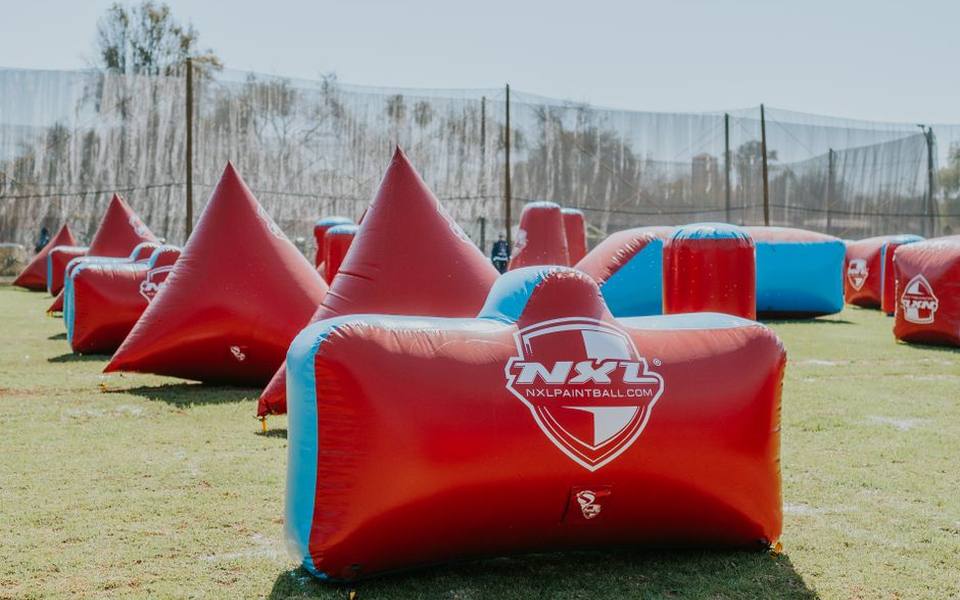
Fields known for organizing large-scale games frequently pull themes directly from cinematic and gaming lore to draw hundreds of players for single-day spectacles. Organizers build detailed wooden mock cities, trench networks, and multi-story observation towers to bring those Hollywood illusions to life. If you have spent months watching fictional shootouts or playing tactical shooters on a couch, walking onto a dedicated twenty-acre scenario park delivers an unmatched sensory rush.
These large-format gatherings are also exceptionally welcoming to recreational groups seeking memorable outings. Many fields structure their corporate team-building events and party packages around these accessible objective-based rules rather than intimidating speedball formats. Beginners get to experience the drama of defending a base alongside experienced scenario veterans without the intense pressure of immediate one-on-one bunker duels.
Translating Digital Map Awareness to Live Field Strategy
While playing a video game cannot condition your lungs for a full sprint down the sidelines, it instills mental habits that give digital gamers an edge on real turf. Digital players inherently understand the concept of crossing lanes—the practice of firing through gaps to pin opponents while a teammate advances to superior cover. Recognizing these invisible lanes of fire on a flat field is one of the hardest skills for new players to develop through intuition alone.
Digital gaming also reinforces the discipline of effective verbal communication. In an online shooter, calling out enemy positions, bunker numbers, and player counts must be concise and rapid. On a live field, background noise from roaring markers and screaming spectators makes clear, standardized callouts even more critical. Players accustomed to tactical voice chat quickly adapt to shouting bunker codes like 'Dorito One' or 'Snake Corner' across the grass.
However, virtual gaming can breed a few bad habits that require unlearning when you pick up a real marker. Digital characters do not experience barrel rise, trigger bounce, or paint chop, nor do they need to monitor air tank pressures or hopper battery levels. Live play demands constant gear mindfulness, spatial footwork, and barrel discipline that no thumbstick or keyboard macro can replicate.
Indoor Arenas as the Bridge Between Virtual and Outdoor Play
When players want the fast-paced, controlled environment of a video game without sacrificing physical paint, visiting an indoor field offers the perfect compromise. Indoor facilities feature climate-controlled staging zones, smooth artificial turf, and consistent fluorescent lighting that mimics the predictable conditions of digital competitive arenas. There are no sudden wind gusts to alter paint trajectory, and you never have to worry about mud compromising your footing.
These indoor locations serve as essential training grounds during harsh winter months, particularly in northern states where outdoor operations shut down until spring thaw. Players can run snap-shooting drills, refine their slides, and test new electronic marker settings in a controlled space. For urban players who live far from massive woodland parks, urban facilities provide a convenient after-work destination that fits neatly into a busy weekday schedule.
Many players who started their journey through living room consoles use local indoor arenas to test their mettle before investing in expensive tournament gear. The controlled layout makes it easy to observe experienced local players, examine different marker platforms in person, and learn basic bunker etiquette. It serves as the ultimate staging ground for turning digital curiosity into real-world sportsmanship.
Online Communities, Regional Discords, and Finding Your Squad
The social ecosystem surrounding digital paintball has created a seamless pipeline for assembling real-world tournament teams. What begins as a casual group playing digital matches on PC or Xbox often evolves into a dedicated community Discord server where members discuss marker maintenance, gear sales, and local field schedules. These digital hubs break down regional barriers and make it easier than ever for solo walk-on players to find compatible teammates.

Regional communities often coordinate monthly road trips to major commercial parks across popular states. For instance, players regularly organize travel groups to visit legendary multi-field facilities across California, where speedball culture runs deep and world-class turf layouts are rotated weekly. These road trips allow online gaming friends to meet face-to-face, share paint expenses, and test their virtual strategies against seasoned local tournament rosters.
Similarly, online coordination enables large squads to tackle massive scenario operations at high-capacity venues throughout Texas, where sprawling terrain demands coordinated unit logistics and reliable communication channels. Having a pre-established digital squad ensures that you arrive at a 500-player event with a cohesive team structure, dedicated radio frequencies, and trusted battle buddies ready to secure key objectives from the opening horn.
Stepping From the Living Room Back onto the Live Grass
Transitioning from virtual shooters back to live field action requires adjusting your physical expectations. Video games allow instantaneous respawns and infinite stamina, but real tournament and recreational paintball will test your cardiovascular fitness, knee stability, and mental composure under fire. Before jumping into a fast-paced walk-on rotation, spend time stretching your hamstrings, hydrating thoroughly, and pacing your energy throughout the day.
Safety awareness is the single biggest difference between screens and fields. In a video game, you can look anywhere without consequence; on a live field, your barrel-blocking safety sock must remain firmly seated until you are inside the netted enclosure, and your thermal mask must never leave your face under any circumstance. Respecting these basic safety fundamentals guarantees that every player returns home unharmed and ready for the next weekend.
Ultimately, video games, television celebrations, and digital communities are valuable tools that expand the sport beyond the physical boundaries of the netting. They keep the culture vibrant between matches, educate newcomers on tactical concepts, and provide year-round entertainment when field visits are impossible. Use virtual arenas to keep your mind sharp, your callouts crisp, and your passion fueled until you can step back onto the turf.
Published 2026-09-21 · reviewed with each rebuild, last October 2026.
Find paintball fields & fun centers near you
The directory lists 36,923 paintball fields & fun centers by state and city — pick your state or use the “Near me” button in the header.
More guides
-
 Service
Where and How to Refill Paintball CO2 and HPA Tanks
-
 Buying
A Guide to Purchasing Your Own Paintball Equipment
-
 Safety
Paintball vs Airsoft: Evaluating Impact, Costs, and Removing Stubborn Stains
-
 Money
MoneyHow Much Does Paintball Cost? Field Fees, Rental Packages, and Ammo Math
-
 Safety
Does Paintball Hurt? Safety, Bruises, Clothing, and Stains
-
 Buying
Where to Sell Used Paintball Guns Safely and Clean Up Gear
-
 Safety
Beginner's Guide to Paintball: Understanding Game Formats and Rules
-
 Money
MoneyPaintball Cost Guide: Equipment, Field Fees, and Play Prices
-
 Owning
How to Remove Paint and Acrylic Stains from Clothing and Fabrics
-
 Buying
Tactical and Military Boots: Brands, Comfort, and Field Selection
-
 Service
Corporate Team Building and Outdoor Adventure Events: The Complete Organizer's Guide
-
 Buying
Laser Tag Arenas, Equipment, and Home Party Rentals Guide
-
 Safety
LiPo Battery Maintenance, Safe Charging, and Balance Chargers for Gear
-
 Service
Indoor and Outdoor Paintball Fields: Venue Selection, Booking, and Rules
-
 Buying
Complete Paintball Equipment Guide: Markers, Air Tanks, Jerseys, and Field Attire
-
 Safety
Whitewater Rafting and River Adventure Parks: Destinations, Trips, and Safety Guide
-
 Safety
Airsoft Fields and Arenas Guide: Indoor vs Outdoor Venues, Rules, and Rentals
-
 Buying
Laser Tag Centers, Home Equipment, and Event Planning Complete Guide
-
 Service
Paintball Fields, Scenario Games, Night Ops, and Arena Booking Guide
-
 Safety
Ziplining and Aerial Trekking Parks: Top Courses, Safety Standards, and Booking
-
 Buying
Tactical Combat Boots Buying Guide: Military Specs, Fit, and Durability
-
 Owning
Paintball Marker Maintenance, Air Systems, and Tank Safety Guide
-
 Safety
What to Wear for Paintball: Clothing, Protective Gear, and Cleaning Paint Stains
-
 Owning
Airsoft Gear and Milsim Accessories: Speedloaders, Tracers, and Camouflage
-
 Safety
Paintball Age Limits, Tactics, and Corporate Event Planning
-
 Safety
Complete Guide to LiPo and RC Battery Chargers: Safety, Storage, and Voltage Care
-
 Service
CO2 Tank Refills and Compressed Air Systems: Options, Locations, and Safety Rules
-
 Owning
Archery Games Guide: Online Simulators to Adult Field Events
-
 Buying
Complete Airsoft Guns and Equipment Guide: Reviews, Rentals, and Legal Safety
-
 Owning
Paintball Gear & Maintenance Guide: Custom Apparel, Tank Fills, and Stain Removal
-
 Service
Ultimate Guide to Indoor Soccer Zones: Leagues, Facilities, and Play Options