The Evolution of Digital and Physical Archery Entertainment
Archery has shifted far beyond static paper targets set up in backyard lanes or quiet hunting blinds. Today, the activity spans across instant digital platforms, portable phone applications, and high-adrenaline team combat sports held on tactical turf fields. Whether you want to pass ten minutes practicing sight alignment on a lunch break or spend a Saturday running between bunkers with a recurve bow, modern options cater to every level of interest and physical commitment.
The digital side serves as an approachable entry point for learning how ballistics, windage, and trajectory affect an arrow in flight. Early browser experiences introduced millions of players to the rhythm of drawing, holding, and releasing under virtual pressure. Meanwhile, physical archery arenas have adapted the fast movement and protective gear of tactical tag sports, turning traditional marksmanship into an active team discipline that tests stamina, situational awareness, and quick decision-making under stress.
Understanding where to start depends largely on what you want out of the experience. Some enthusiasts strictly enjoy casual precision puzzles on small screens, while others use simulations to build interest before picking up real equipment at a local club. For adults seeking energetic group outings, physical combat events offer a low-impact alternative to projectile sports while keeping the same intense tactical communication and competitive atmosphere found in established outdoor recreation facilities.
Zero-Cost Browser Simulators for Quick Target Practice
Free browser titles remain the fastest way to engage with bow mechanics without installing heavy files or purchasing dedicated gaming hardware. These web-based programs run directly in standard browsers and typically rely on simple mouse drags or keystrokes to mimic drawing back a bowstring. Most focus on classic target rings, moving bullseyes, or distance calculations where you must compensate for simulated wind drift across varying outdoor environments.
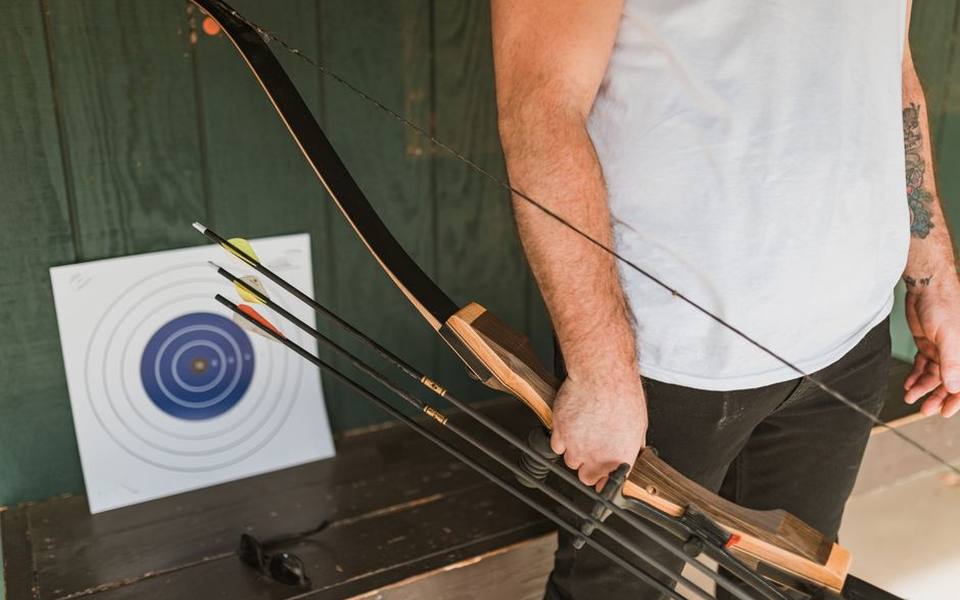
The primary charm of these web experiences lies in their accessibility and straightforward scoring loops. Players get immediate feedback on shot placement, arrow drop, and timing without needing an account or paying subscription fees. Many browser options also introduce physics-based challenges, such as cutting swinging ropes or knocking down precarious towers, which transform simple target shooting into spatial reasoning puzzles that appeal to casual gamers and marksmanship hobbyists alike.
While browser physics rarely match the true muscle fatigue or tactile nuances of drawing real limbs, they do teach players the mental patience required for steady shooting. Rushing a shot in a simulation almost always results in a low hit, just as rushing a draw on a physical range pulls your sight off center. These simple programs provide an engaging mental warm-up and an enjoyable way to pass spare time without financial investment.
Standalone PC and Console Software Without Upfront Fees
Beyond light browser applications, downloadable computer titles offer significantly deeper physics engines and customizable bow setups. Many independent developers release free-to-play standalone titles that accurately calculate arrow spine stiffness, atmospheric drag, and kinetic energy over realistic hunting distances. These games allow you to swap between compound setups with multi-pin sights and barebow recurves that demand instinctive aiming techniques based purely on muscle memory and visual estimation.
These downloadable simulators frequently feature realistic sound design, wind shear sound cues, and fluctuating heart rates that cause the virtual sight pin to wander. Competing in free online tournaments lets players test their patience against global leaderboards under standardized conditions. For target purists, Olympic-style tournament modes mirror standard World Archery target distances, requiring precise timing to release the arrow cleanly between virtual heartbeats and shifting cross-breezes.
Because these titles require dedicated software installations, they usually support external gamepads or flight sticks, which can simulate the feeling of steady tension better than a basic mouse click. While they still cannot replace range time with an actual coach, they offer an authentic look into how serious archers adjust their sight tapes and calculate ballistic arcs under unpredictable weather conditions across expansive virtual landscapes.
Touchscreen Precision and Mobile Bow Simulators
Mobile bow games have carved out an enormous following due to how well touch interfaces mimic the draw-and-release cycle of traditional archery. Swiping backward on a screen to pull a virtual string, stabilizing the reticle with a gyroscope, and lifting your finger to loose the arrow creates an intuitive mechanical loop. The best handheld titles prioritize realistic ballistic drop over arcade power-ups, rewarding players who learn to read distance markers properly.
Most mobile titles offer both solo career modes and quick head-to-head multiplayer duels that wrap up in under two minutes. In these match formats, two shooters face the same shifting wind indicators and moving target arrays, adding intense psychological pressure to every release. Progression systems typically unlock upgraded stabilizers, carbon-fiber arrows, and specialized finger tabs, mirroring the gear paths that competitive archers navigate in the real sport.
Gyroscope controls on modern phones represent a genuine leap forward for handheld simulations. By tilting the phone slightly to hold the reticle steady against simulated wind gusts, players engage small stabilizer muscles and breath control in a manner surprisingly similar to real archery shooting lines. This mechanical nuance makes mobile play an excellent travel companion for target shooters who want to stay mentally sharp when away from the outdoor range.
Combat Archery Arenas Built for Adult Groups
Physical combat archery has emerged as one of the most exciting team activities for adult groups, corporate outings, and weekend social clubs. In these organized matches, two squads face each other across a divided arena armed with lightweight recurve bows and specialized foam-tipped arrows. The objective combines elements of dodgeball and speed shooting: players eliminate opposing shooters by tagging them with arrows or knocking out designated target discs situated in the enemy zone.
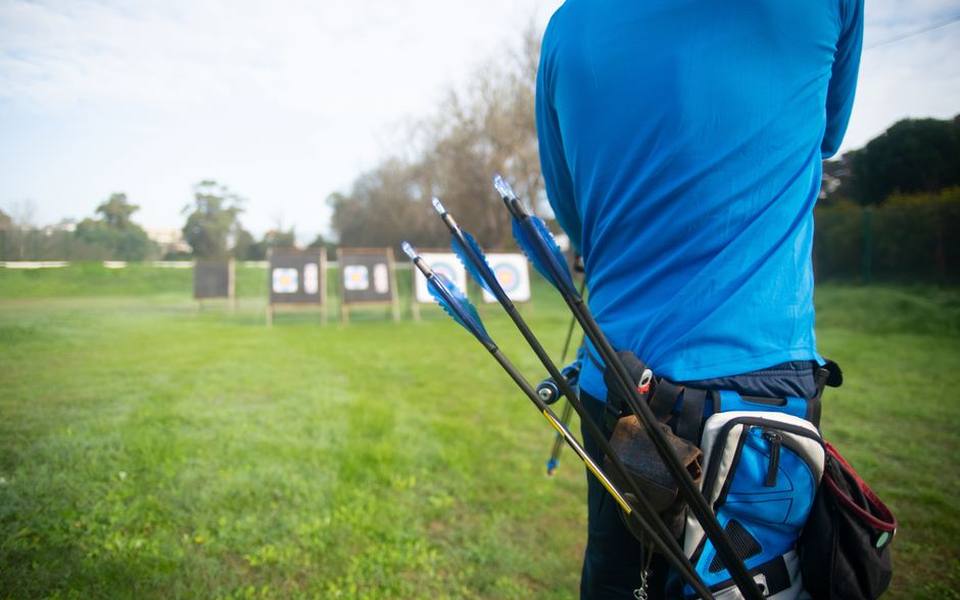
Unlike quiet range sessions where archers stand in stationary lanes, combat matches require rapid sprints, slides into inflatable bunkers, and dynamic shooting from awkward stances. Arrows bounce harmlessly off clothing and padded barriers, allowing participants to experience full-speed tactical engagements without the intense stinging impact often associated with other projectile sports. Matches typically run in fast five-minute rounds, ensuring high turnover and constant action throughout an event.
Adult leagues have sprung up across many regions, providing structured weekly competition complete with refereeing, statistical tracking, and bracket playoffs. Playing in these leagues demands exceptional communication, lane suppression, and arrow conservation, as players must leave cover to scavenge spent arrows from the arena floor. The sport offers an intense cardiovascular workout paired with raw shooting skill, making it especially attractive to adults looking for energetic, collaborative recreation.
Field Archery Courses and Realistic Outdoor 3D Shoots
For adults who prefer traditional shooting over tactical tagging, outdoor 3D field courses offer an unmatched combination of hiking and marksmanship. These courses wind through natural woodlands, ravines, and meadows, featuring life-sized high-density foam targets placed at unmarked distances. Archers must judge yardage entirely by eye, accounting for steep uphill angles, thick brush cover, and lighting shadows that obscure target vital zones.
Walking a 3D course feels closer to a round of golf than an arcade match. Small groups navigate marked walking trails, taking turns on designated shooting stakes before advancing to score hits and retrieve their arrows together. Scoring rings award higher points for centered heart-and-lung placements, teaching archers to respect realistic anatomy and precision over raw shooting speed across challenging natural terrain.
These field events welcome every style of equipment, from primitive self-wood longbows to modern compound bows equipped with magnified lenses and long balance rods. Many outdoor clubs host open weekend shoots where beginner adults can pair with experienced mentors to learn course etiquette and distance estimation. The social, unhurried pace of field archery makes it an enduring favorite for outdoor enthusiasts seeking low-stress weekend challenges.
Tactical Multi-Sport Venues and Arena Logistics
Many commercial facilities that traditionally host combat sports have expanded their schedules to incorporate bow tag leagues and open public sessions. Operators frequently host airsoft games on-site alongside combat archery rotations, utilizing the same turf layouts, inflatable bunkers, and staging zones for both disciplines. This cross-pollination gives players access to professional refereeing, clean staging benches, and well-maintained field infrastructure.
Weather often dictates how these games are scheduled throughout the year. During harsh winter freezes or intense summer heat, heading to an indoor field ensures consistent lighting, dry footing, and temperature-controlled comfort that keep games running smoothly. Indoor venues also eliminate outdoor wind interference, allowing beginners to develop clean shooting form without struggling against heavy drafts or uneven ground conditions.
Commercial venues simplify logistics by supplying all necessary gear, including inspected bows, calibrated arrows, arm guards, and sterile face protection. Booking dedicated party packages allows adult groups to secure private arena time, custom game modes, and dedicated referees who tailor match intensity to the group's physical fitness. This full-service structure removes equipment barriers, letting first-time participants jump directly into structured tournament play.
Safety Equipment and Match Regulations for Adult Play
Safety in combat archery is maintained through strict gear standards and low draw-weight bow limits. Arena bows are typically limited to draw weights between twenty and twenty-eight pounds, which generates enough velocity for clean arrow flight over short distances without producing dangerous kinetic impact. At these weights, arrows travel slowly enough to be tracked visually, giving alert players an opportunity to dodge or catch incoming shots.

Face protection is mandatory across every reputable facility. Players wear full-coverage thermal masks similar to those used in tactical tag sports, shielding the eyes, nose, mouth, and temples from direct arrow strikes or accidental collisions with field barriers. Even though arrow tips consist of thick closed-cell foam or flexible rubber blunts, direct facial impacts without a mask can cause painful contusions or severe eye injuries.
Referees enforce strict engagement rules, including clear boundary lines and central safe zones where shooting is prohibited during opening rushes. Marshals immediately halt play if an arrow tip shows signs of foam detachment, internal core protrusion, or shaft splintering. By inspecting arrows between every game and holding adult players to strict sportsmanship guidelines, facilities maintain safety records comparable to traditional non-contact gym sports.
Connecting Virtual Fundamentals to Physical Shooting Form
Gamers transitioning from touchscreen or computer archery to real bows often notice immediate parallels in mental approach. Both activities require deliberate focus, steady breathing, and an understanding of how small alignment shifts translate into wide misses downrange. The patience developed while waiting for the perfect sight picture in a digital simulation mirrors the discipline needed to hold an anchor point on a physical shooting line.
However, physical shooting introduces real-world biomechanics that no screen can recreate. Drawing a bow engages the rhomboids, latissimus dorsi, and rear deltoids, requiring balanced back tension rather than raw arm strength. Beginners frequently struggle with string slap against their forearm or inconsistent release points, issues that do not exist in digital formats where arrow flight depends entirely on programmed algorithms.
Using digital simulations to study arrow flight paths, wind drift tables, and target sight pictures can shorten the learning curve on an actual range. When paired with basic physical coaching, digital awareness helps new archers visualize parabolic arrow trajectories and understand why adjusting sight pins alters impact points. Blending screen-based knowledge with hands-on practice builds a well-rounded appreciation for marksmanship in all its forms.
Organizing Adult Tournaments and Private Group Sessions
Planning an adult archery tournament requires balancing competitive structure with casual fun so every participant stays engaged. Most organizers favor round-robin formats where squads play several brief preliminary matches before advancing into single-elimination championship brackets. Dividing large groups into four-player teams keeps bench downtime low and ensures that everyone gets plenty of active shooting time during their booking.
Creating varied match objectives prevents gameplay from feeling repetitive. In addition to standard elimination rounds, tournament directors often incorporate target-strike challenges, VIP protection scenarios, or medic rules where tagged players can be revived by teammates who retrieve special markers. These custom objectives reward strategic movement and cooperative coordination over pure athletic speed, allowing players of diverse fitness levels to contribute meaningfully.
When organizing an outing, confirm venue policies regarding outside catering, footwear requirements, and age minimums well in advance. Wearing athletic footwear with reliable traction is critical for indoor turf or packed dirt arenas to prevent ankle rolls during quick directional cuts. Clear safety briefings and warm-up practice ends allow adult players to familiarize themselves with bow tension before competitive scoring begins.
Commercial venues across the country make setting up private matches simple, with hundreds of facilities offering dedicated tournament packages. Whether you are browsing community ranges or coordinating private play at established fields in Texas or other regional sports complexes, booking ahead guarantees dedicated arena space and seasoned staff who will handle refereeing and equipment maintenance.
Published 2026-09-21 · reviewed with each rebuild, last October 2026.
Find paintball fields & fun centers near you
The directory lists 36,923 paintball fields & fun centers by state and city — pick your state or use the “Near me” button in the header.
More guides
-
 Service
Where and How to Refill Paintball CO2 and HPA Tanks
-
 Buying
A Guide to Purchasing Your Own Paintball Equipment
-
 Safety
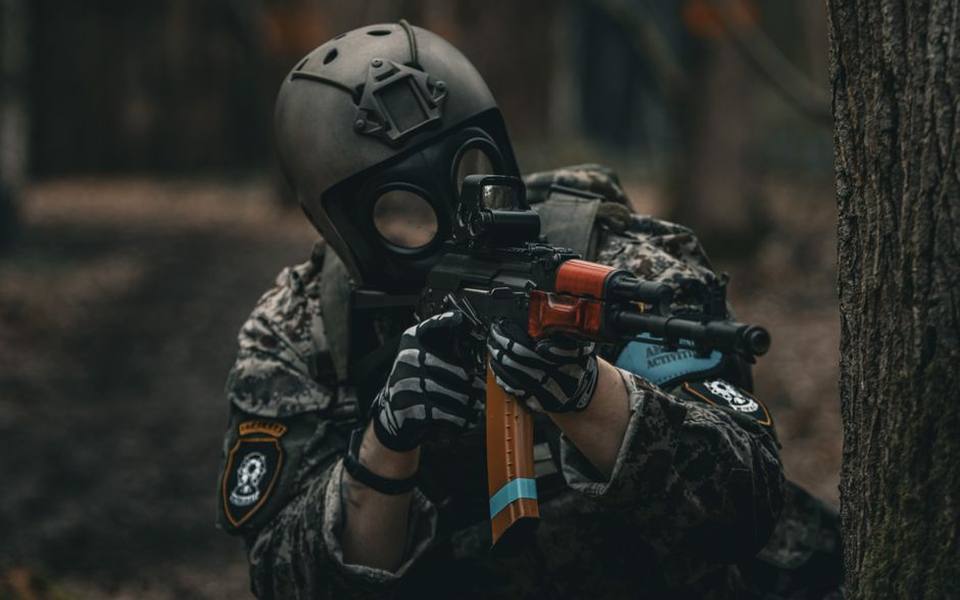
Paintball vs Airsoft: Evaluating Impact, Costs, and Removing Stubborn Stains
-
 Money
MoneyHow Much Does Paintball Cost? Field Fees, Rental Packages, and Ammo Math
-
 Safety
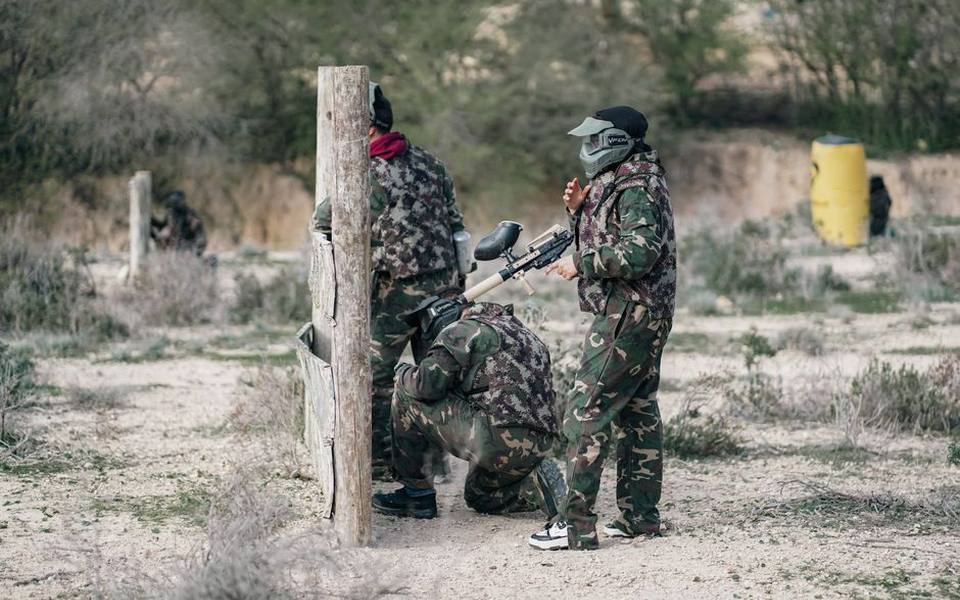
Does Paintball Hurt? Safety, Bruises, Clothing, and Stains
-
 Buying
Where to Sell Used Paintball Guns Safely and Clean Up Gear
-
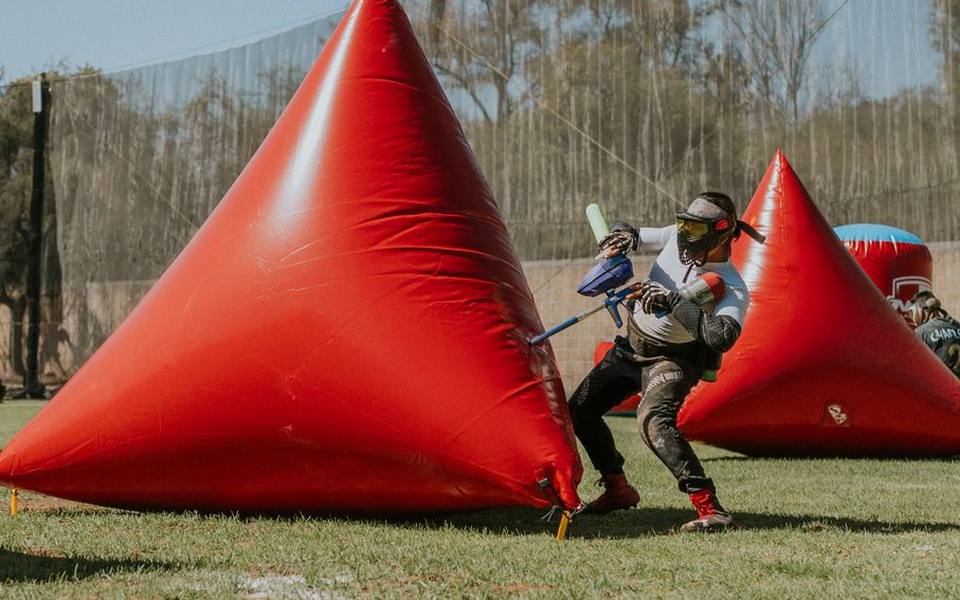 Safety
Beginner's Guide to Paintball: Understanding Game Formats and Rules
-
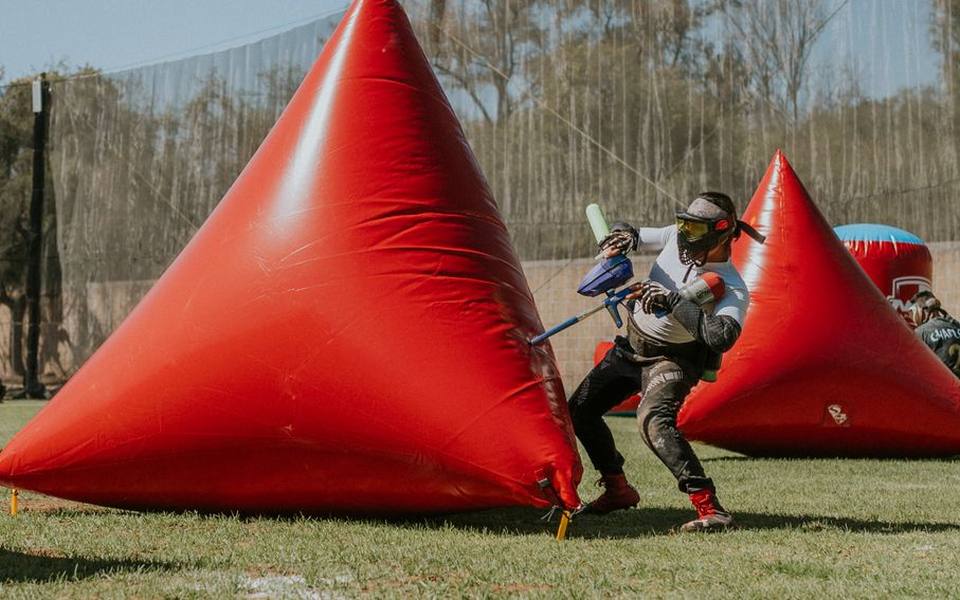 Money
MoneyPaintball Cost Guide: Equipment, Field Fees, and Play Prices
-
 Owning
How to Remove Paint and Acrylic Stains from Clothing and Fabrics
-
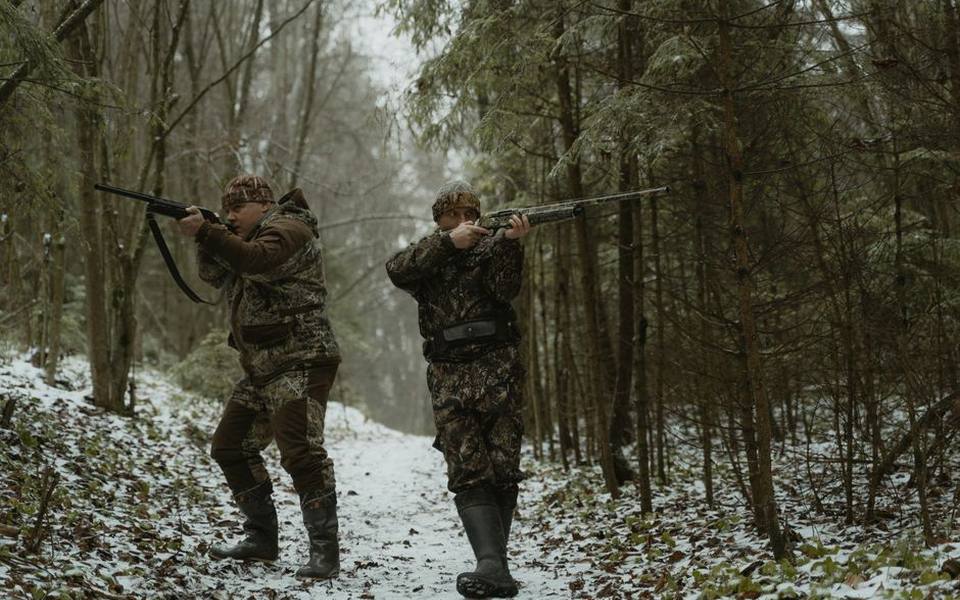 Buying
Tactical and Military Boots: Brands, Comfort, and Field Selection
-
 Service
Corporate Team Building and Outdoor Adventure Events: The Complete Organizer's Guide
-
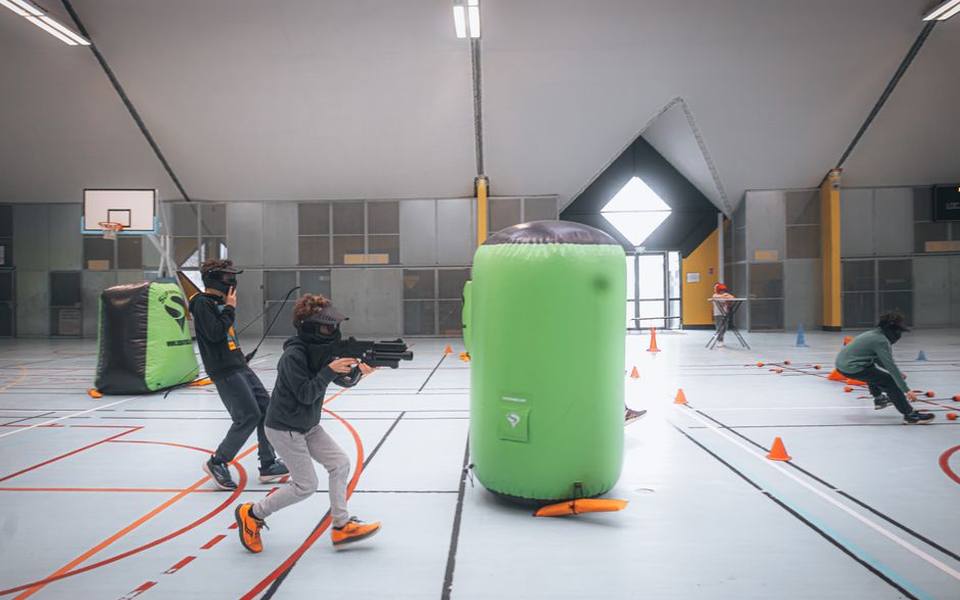 Buying
Laser Tag Arenas, Equipment, and Home Party Rentals Guide
-
 Safety
LiPo Battery Maintenance, Safe Charging, and Balance Chargers for Gear
-
 Service
Indoor and Outdoor Paintball Fields: Venue Selection, Booking, and Rules
-
 Buying
Complete Paintball Equipment Guide: Markers, Air Tanks, Jerseys, and Field Attire
-
 Safety
Whitewater Rafting and River Adventure Parks: Destinations, Trips, and Safety Guide
-
 Safety
Airsoft Fields and Arenas Guide: Indoor vs Outdoor Venues, Rules, and Rentals
-
 Buying
Laser Tag Centers, Home Equipment, and Event Planning Complete Guide
-
 Service
Paintball Fields, Scenario Games, Night Ops, and Arena Booking Guide
-
 Safety
Ziplining and Aerial Trekking Parks: Top Courses, Safety Standards, and Booking
-
 Buying
Tactical Combat Boots Buying Guide: Military Specs, Fit, and Durability
-
 Owning
Paintball Marker Maintenance, Air Systems, and Tank Safety Guide
-
 Safety
What to Wear for Paintball: Clothing, Protective Gear, and Cleaning Paint Stains
-
 Owning
Airsoft Gear and Milsim Accessories: Speedloaders, Tracers, and Camouflage
-
 Safety
Paintball Age Limits, Tactics, and Corporate Event Planning
-
 Safety
Complete Guide to LiPo and RC Battery Chargers: Safety, Storage, and Voltage Care
-
 Owning
Paintball Video Games, Consoles, and Digital Arenas: An Off-Field Player Guide
-
 Service
CO2 Tank Refills and Compressed Air Systems: Options, Locations, and Safety Rules
-
 Buying
Complete Airsoft Guns and Equipment Guide: Reviews, Rentals, and Legal Safety
-
 Owning
Paintball Gear & Maintenance Guide: Custom Apparel, Tank Fills, and Stain Removal
-
 Service
Ultimate Guide to Indoor Soccer Zones: Leagues, Facilities, and Play Options